Presight disclosed an equity position in South Korean smart-city software company Dtonic after a September partnership; the stake size and price were not disclosed.
Three operating-layer shifts defined the week: Bay emerged with $50 million for AI-agent controls, Saudi Arabia financed compute and power infrastructure, and BTCO added BNY Mellon as a second bitcoin custodian.
The Israeli-founded company raised an $80 million Series B led by Goldman Sachs Alternatives to expand its managed agentic security model in the US and internationally.
OpenAI and Abu Dhabi entities signed four agreements covering machine-readable government, ADNOC operations, Mubadala investment analysis and a five-year adoption programme.
Israeli-founded Bites raised a $40 million Series A led by PeakSpan Capital to expand in the US and build a tighter link between workforce training and operating results.
Intel signed a definitive agreement to acquire Israeli quantum-software company Classiq. The price was not disclosed and closing is expected in the first half of 2027.
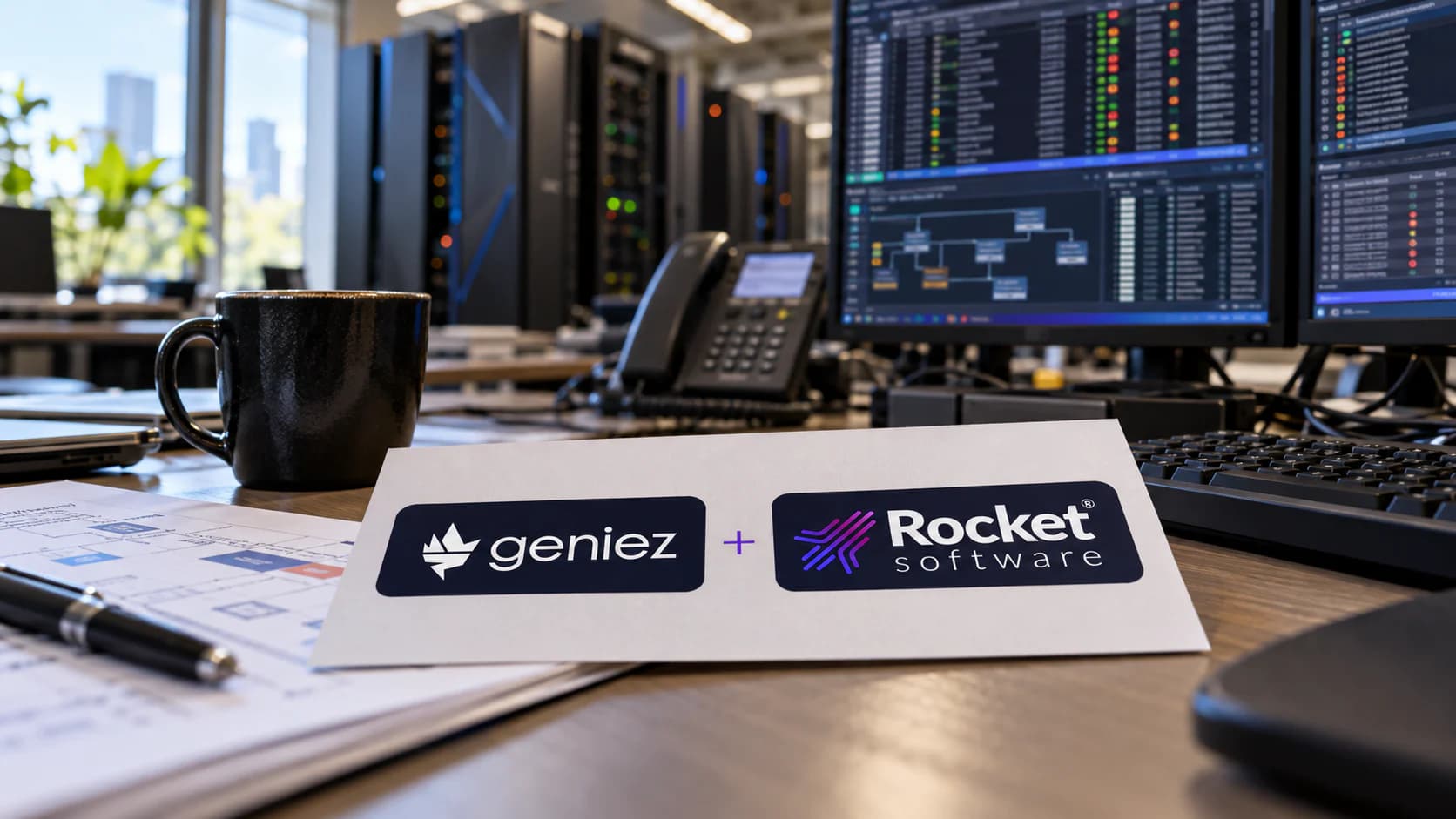
Rocket Software confirmed on 13 October that it acquired Israeli startup Geniez AI to add AI agents to its EVA mainframe platform. The price was not disclosed; a reported figure of up to $100 million is unconfirmed.
Israeli cybersecurity startup Mave disclosed $34 million in total funding on 22 October: a new $28 million Series A led by Red Dot Capital Partners plus a $6 million seed, for its agentic SecOps platform.
TTM signed a definitive agreement to acquire Israel- and Romania-based Ophir Optics from MKS for about $650 million. Closing is expected in Q2 2027, subject to approvals.
A verified 3–9 October review of Rein Security’s Series A, PCB Technologies’ conditional Gorilla deal, Phantom GI funding, the Marrakech pavilion and Bitcoin ETF outflows.
Capitolis completed $220 million in equity and debt financing. The funding is closed, while its $200 million eSecLending acquisition still requires approvals.
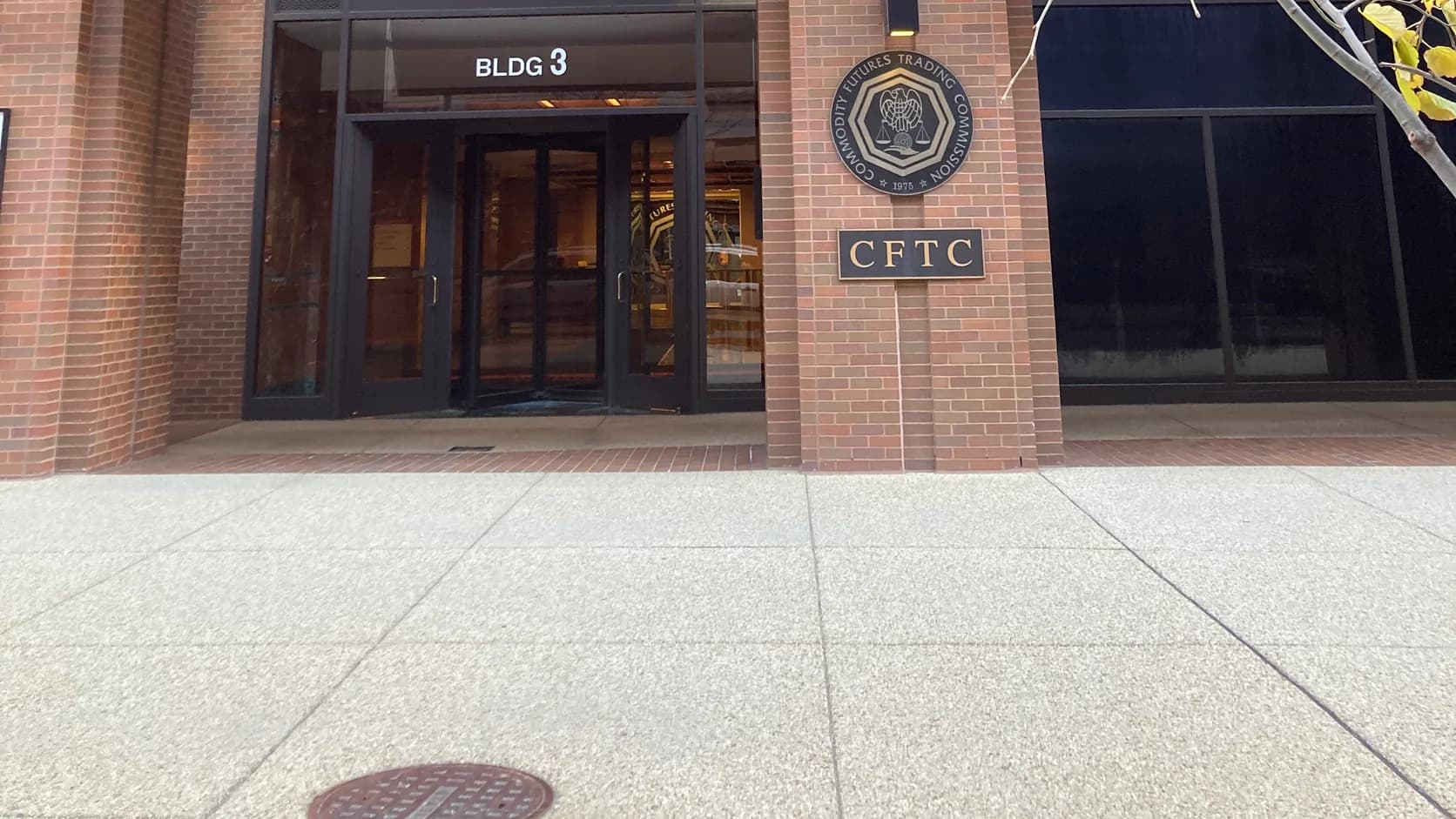
The CFTC opened public comment on a possible federal framework for retail crypto commodity transactions. This is an early rulemaking notice, not a rule in force.
A selected 28 September–2 October review of Israeli startup funding, groundcover’s Wand deal, Mubadala–Together AI and proposed US crypto-custody rules.
On 1 October the SEC proposed letting registered advisers and regulated funds self-custody crypto in some cases and use state trust companies as custodians. It is a proposal, not a rule in force.
The UAE Ministry of Finance restated the 30 October provider deadline and 1 January 2027 implementation date for covered businesses with revenue of AED50 million or more.
Island announced a $400 million Series F at a $6.4 billion valuation, led by Evolution Equity Partners, as it expands governance for people and AI agents.
A new collaboration puts a small piece of silicon at the centre of a concrete Israel–Gulf business connection. The test is whether a promising design can become a dependable product.
Keewano launched its agent-focused database alongside a reported $12 million seed round. The practical question is whether answers preserve the event history.
Network International announced a DDSC payment pilot at two UAE retail locations. The useful questions concern checkout, settlement and future rollout.
18 Israeli innovations and facts spanning water, food, health and energy. Why eighteen? In Hebrew gematria, chai—the word associated with life—adds up to 18.
The September initiative covers student placements, recruitment and skills development. Its future impact should be measured through outcomes, not budget alone.
An August programme selected five early projects, including Drillzy. The funding supports feasibility work rather than proving industrial-scale production.
UAE payment infrastructure and financial-sector growth are documented. Israeli startups still need to establish which products, licences and partnerships fit a specific market.
Microsoft was founded in 1975 by Bill Gates and Paul Allen. Its early milestones, from MS-DOS to the 1986 public offering, as recorded in the company’s own timeline.
An updated archive guide to remote access, computing infrastructure and workforce authentication, with later acquisitions clearly separated from the 2020 context.
Bluevine, Fundbox and the historical Behalf–Visa announcement illustrate different business-finance models, without implying government credit or guaranteed approval.