
Archive review — 9 October 2026. First published on 11 January 2021, this article has been revised to separate water-utility operations and public-health surveillance. Unsupported export figures, event totals and blanket disinfectant safety claims have been removed. Current product information below is identified separately from pandemic-era research.
WHO’s 29 July 2020 interim guidance described safe water, sanitation, hygiene and waste management as essential public-health infrastructure during infectious-disease outbreaks. That guidance concerned consistently applied practices, rather than a specific company’s product. WHO WASH guidance.
Water-utility operations
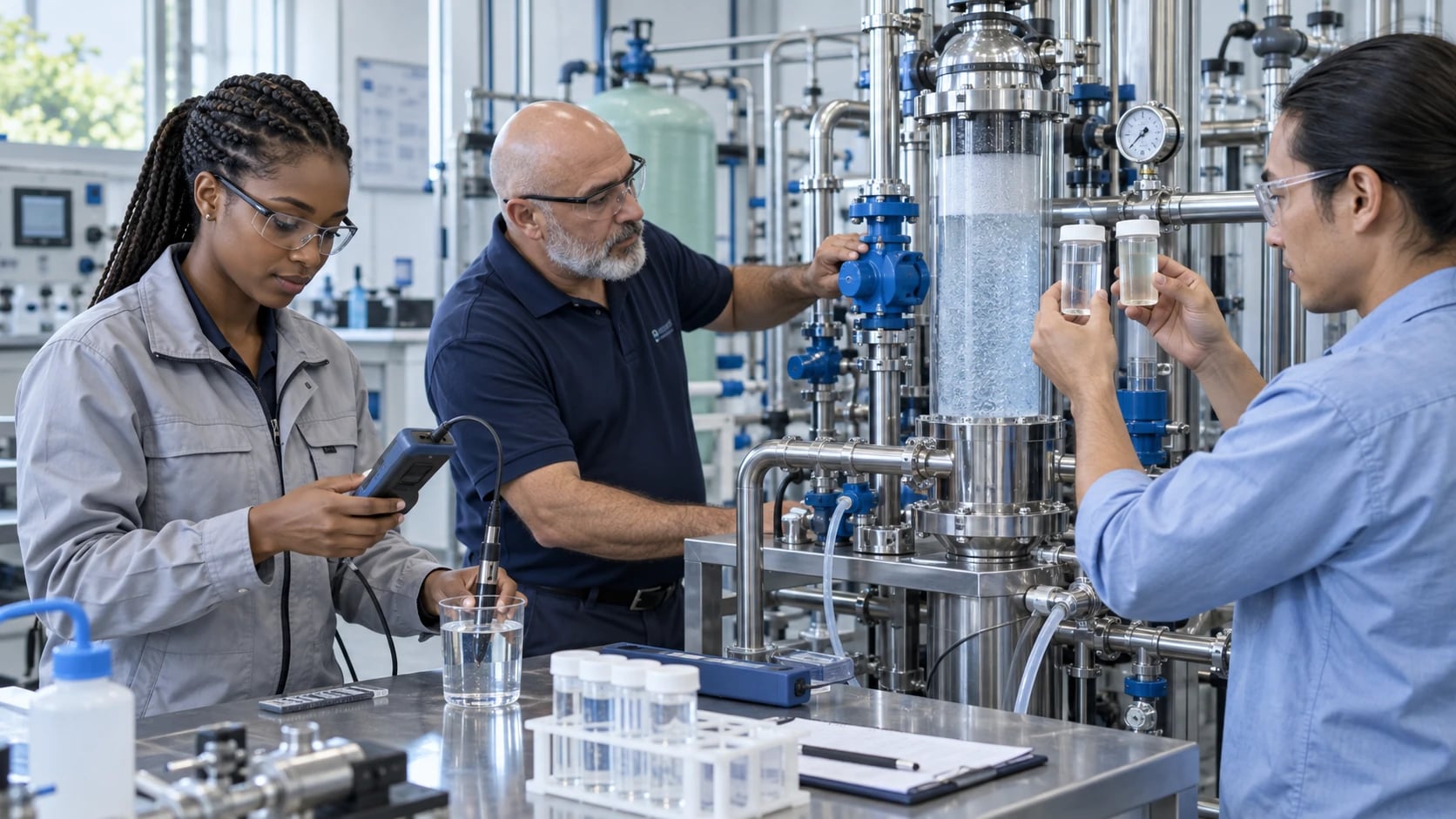
Kando’s product description, reviewed on 9 October 2026, presents hardware, software and services for monitoring wastewater quality, tracing pollution sources and supporting utility operations. These are the company’s stated capabilities; this description provides no measured COVID-19 treatment or prevention outcome. Kando’s wastewater intelligence platform.
For a utility, the practical evaluation concerns sampling coverage, validated measurements, integration with existing systems and the actions staff can take from an alert. Those questions should be assessed for the specific installation.
Monitoring disease at community level
A December 2020 Ben-Gurion University research publication discussed environmental surveillance and risk assessment in wastewater during the COVID-19 pandemic. Its scope is research and monitoring, rather than an individual medical diagnosis. BGU: Rethinking wastewater risks and monitoring.
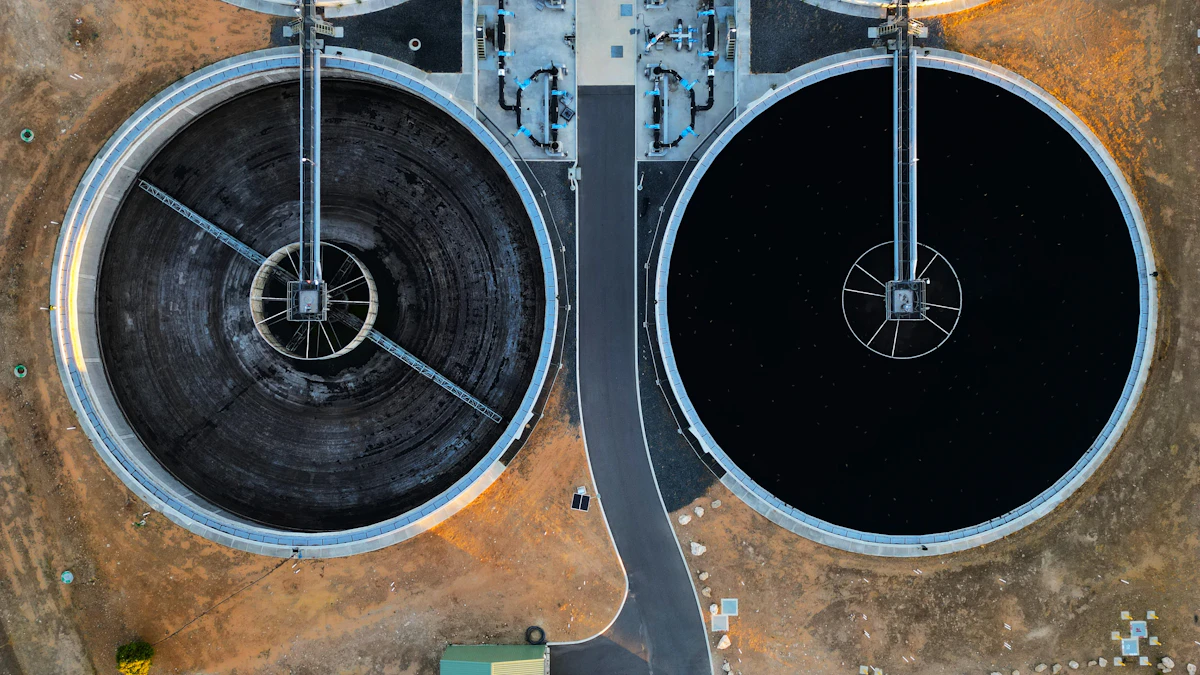
The CDC describes wastewater testing as a way to track infectious-disease signals in a community, including from people without symptoms. It recommends interpreting these signals alongside other surveillance, such as clinical testing and hospital data. The CDC programme described in this source operates in the United States. CDC wastewater monitoring.
The business relevance is the ability to produce useful operational data and community-level evidence. Claims about safety, regulatory approval or health outcomes require evidence for the particular product, use and jurisdiction.