
TTM Technologies has signed a definitive agreement to acquire the Ophir Optics business from MKS for approximately $650 million in cash. The transaction has not closed: TTM expects completion in the second quarter of 2027, subject to regulatory approvals, government consents and other customary conditions.
The agreement, announced on 19 October 2026, would move an Israel- and Romania-based infrared and laser-optics operation from MKS to US-listed TTM Technologies. TTM said the purchase price is subject to customary closing adjustments and would be funded with cash on hand, expected future cash flow and borrowings under its existing revolving credit facility.
That distinction between signing and closing matters. Ophir Optics remains part of MKS while the parties seek the required approvals and satisfy the conditions in the agreement. The companies have not announced an early close, and the buyer's stated target remains the second quarter of 2027.
What TTM is buying
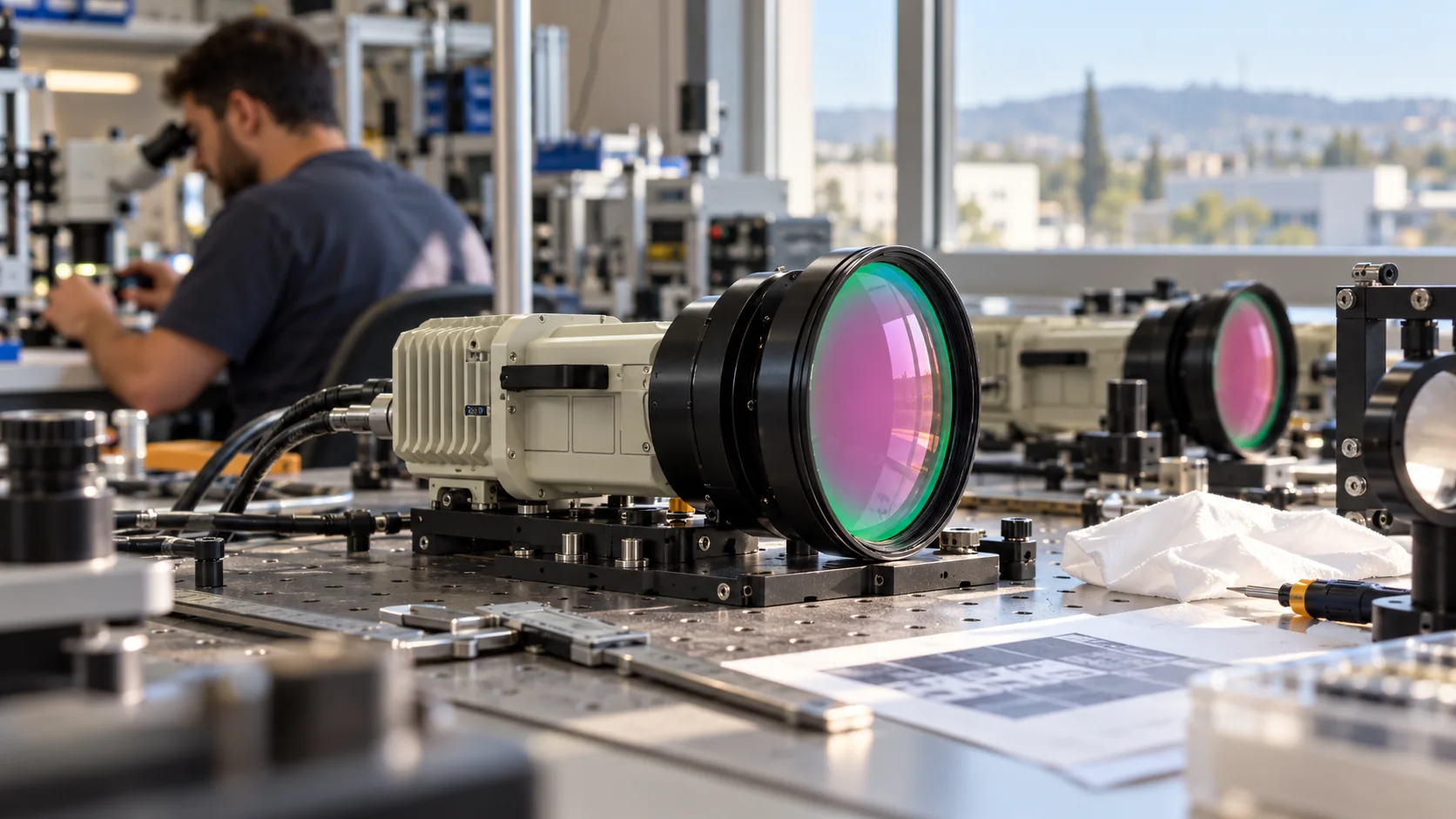
The transaction covers Ophir Optics, a business that designs and manufactures high-precision infrared thermal-imaging and laser-optics components and assemblies. Its portfolio spans short-wave, mid-wave and long-wave infrared imaging, including lenses, cameras and customised optical assemblies for defence, security and industrial applications.
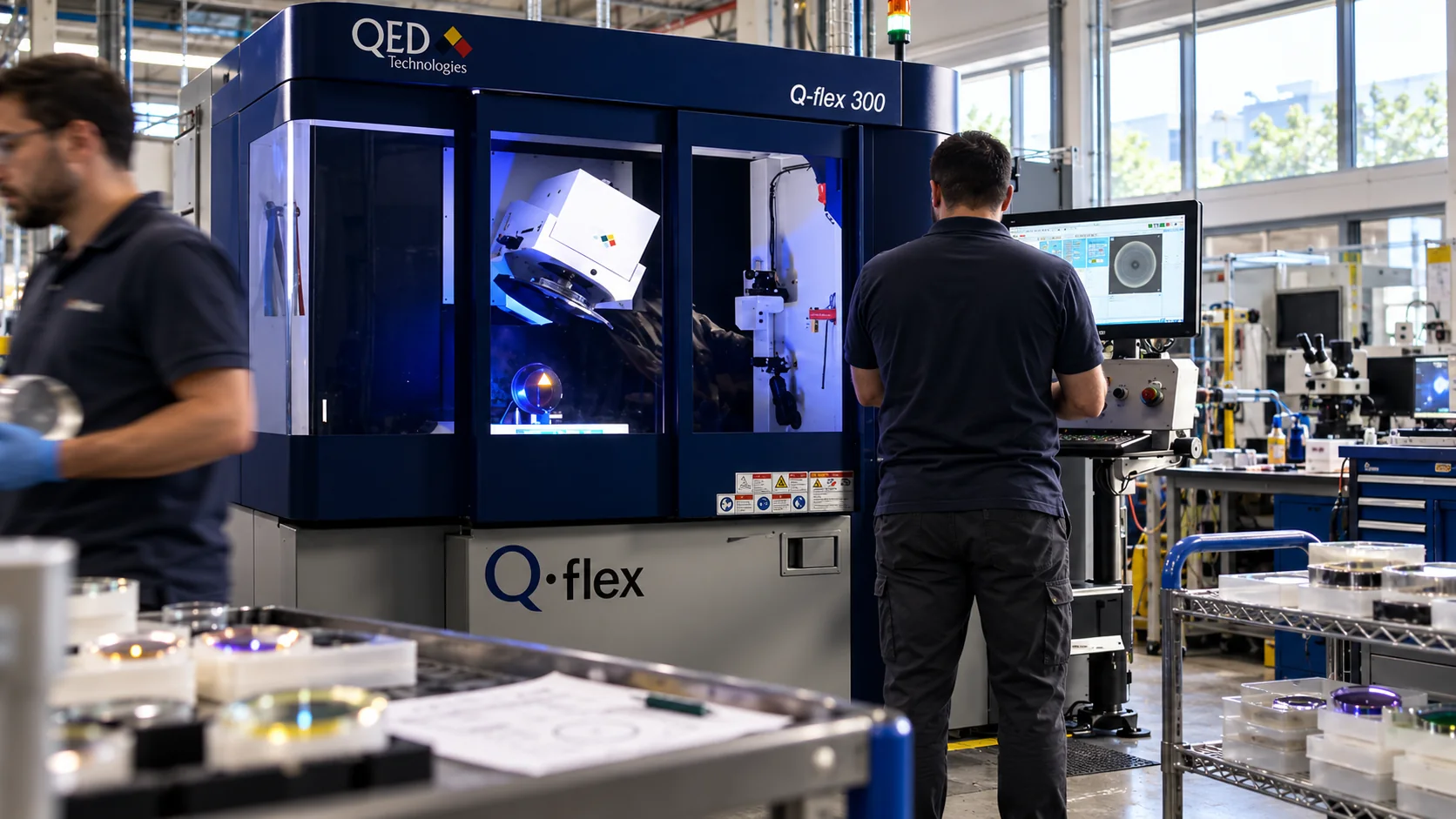
TTM said Ophir has production facilities in Israel and Romania and supplies systems used across land, air, maritime and unmanned platforms. Ophir's own product material describes an end-to-end process that runs from optical design through precision manufacturing, coating, metrology and final testing. That manufacturing depth is central to the deal: TTM is buying specialised engineering and production capability, not only a catalogue of finished lenses.
The announced perimeter has important limits. TTM said the transaction does not include MKS's separate Ophir Instruments laser-characterisation business, and it does not include the sale of the Ophir brand. The companies have not yet explained in detail how the acquired operation will be named after closing or how the retained brand rights will be licensed or used.
Why infrared optics fit TTM's strategy
TTM currently sells mission systems, radio-frequency components, microwave and microelectronic assemblies, printed circuit boards and substrates. Adding optical sensing would give it another technical layer in systems that combine detection, communications, processing and control.
In practical terms, the value lies in integration. Infrared cameras and precision lenses need tight alignment with detectors, electronics, housings, thermal management and platform-level requirements. TTM argues that Ophir's optics can expand the systems it offers to defence and industrial customers, particularly for surveillance, unmanned platforms and laser-based industrial applications.
TTM estimated the purchase price at about 10.3 times Ophir Optics' expected fiscal-2027 adjusted EBITDA before synergies. That figure is management's forward-looking non-GAAP estimate. TTM said it cannot provide a comparable GAAP reconciliation without unreasonable effort because several future items remain difficult to predict. Investors should therefore treat the multiple as the buyer's planning assumption rather than a completed-period result.
What the deal means for Israel's optics sector
Ophir Optics is different from the software startups that dominate many Israeli acquisition headlines. Its value rests on physical production, optical design, materials, coatings, metrology and testing. Those capabilities take years to build and depend on specialised equipment, process knowledge and qualified supply chains.
If completed, the acquisition would place those Israeli and Romanian capabilities inside a larger US manufacturing group. It could give TTM a route to sell optics alongside existing electronic and mission-system components. At the same time, the announcement leaves open questions about capital investment, headcount, site responsibilities and the division of manufacturing between Israel and Romania.
The deal also shows why industrial deep technology can command a substantial price even without the growth profile of a cloud-software company. Customers buying infrared optics for critical systems evaluate reliability, optical performance, repeatable manufacturing and long product lifecycles. A proven production base can therefore be as strategically valuable as software intellectual property.
What remains unresolved
The main uncertainty is completion. Regulatory approvals and government permits can affect the timetable, especially where products serve defence, security or other controlled applications. TTM's filing lists failure to obtain approvals, changes in business performance and financing conditions among the risks that could alter the outcome.
The companies have also not disclosed a detailed integration plan, employment commitments, site-level investment targets or the future commercial identity of the acquired business. Until the transaction closes, the confirmed facts are a signed definitive agreement, an approximate $650 million cash price, a stated Q2 2027 closing target and a defined carve-out that excludes Ophir Instruments and the Ophir brand.
Sources
- TTM Technologies transaction announcement, 19 October 2026
- TTM filing exhibit published by the US SEC, 19 October 2026
- Ophir official infrared-optics product and manufacturing overview
Explore the SalamTechs company directory and our funding and acquisitions coverage.