
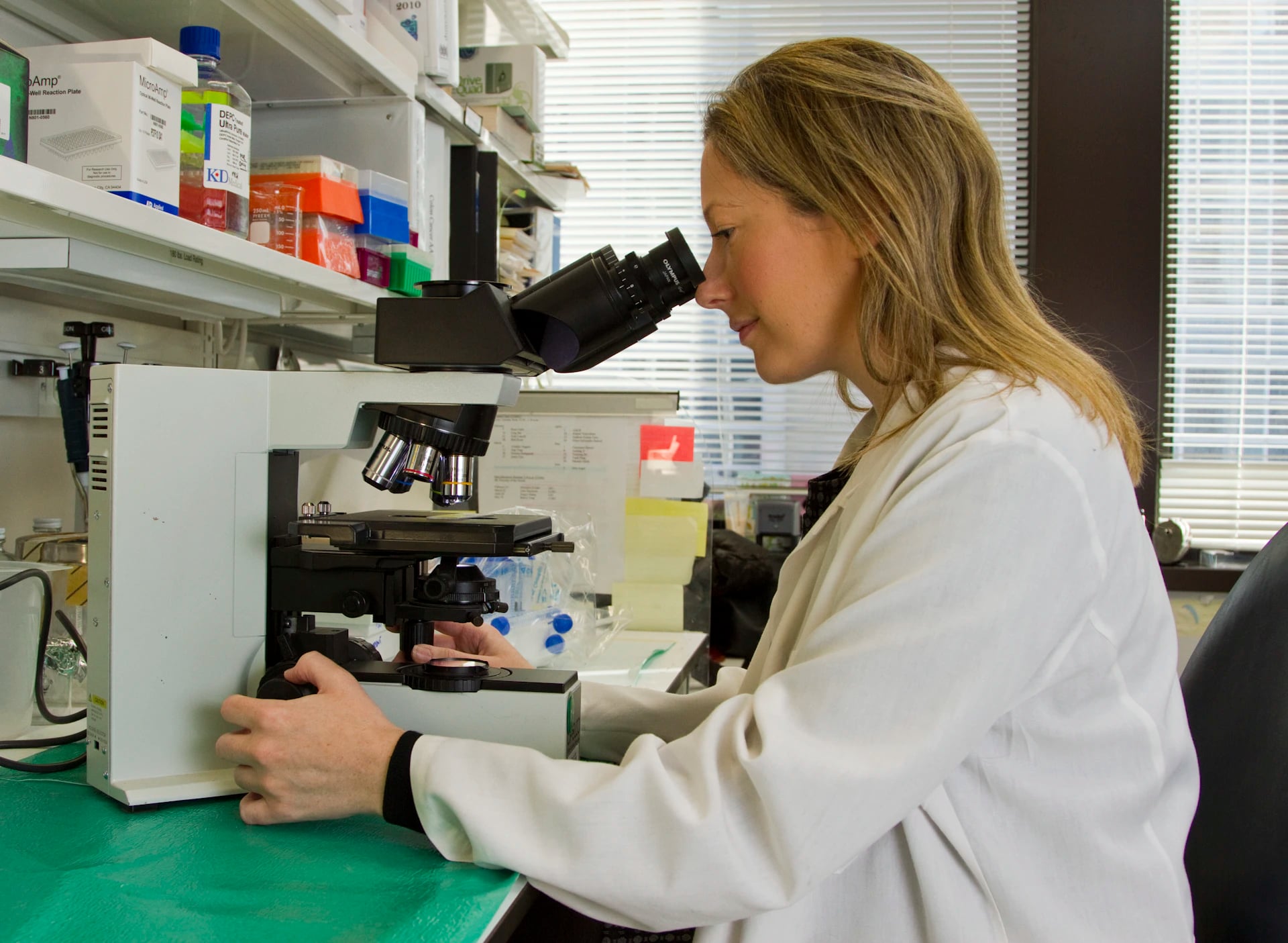
What connects a drop of irrigation water, a device that reads aloud and a vest tested for space travel? Each begins with a practical question about life: how to sustain it, make it more accessible or protect it.
We chose 18 deliberately. In Hebrew gematria, the letters of חי—chai, associated with life—add up to eighteen: ח (chet) is 8 and י (yod) is 10. That cultural connection between eighteen and life gives this selection its theme.
Here are 18 Israeli innovations and 18 central facts, spanning established technologies and ideas still developing. This is a September 2026 editorial selection, not a claim that all were invented this year. Together, they invite readers in Israel and the Gulf to consider where useful technology meets everyday needs.
Netafim: water delivered where roots need it
Fact: Netafim was founded in 1965 and helped commercialise drip irrigation: supplying water in controlled amounts close to a plant’s roots.

The striking idea is precision at a very small scale. A field can be managed through thousands of individual delivery points. For readers thinking about farming in water-constrained conditions, the useful question is how irrigation design fits the crop, soil and available water—not simply how much equipment a farm installs.
Watergen: drinking water from humidity
Fact: Watergen’s atmospheric water-generation technology extracts moisture from air and processes it into drinking water.

It changes the starting point of water supply: the source can be the surrounding air. That makes the technology worth examining for locations where conventional supply is difficult. A practical assessment still needs local temperature and humidity, power requirements and maintenance conditions; output cannot be assumed to be identical in every climate.
CarbonBlue: bringing carbon removal into water infrastructure
Fact: CarbonBlue describes its Midway project in Ma’agan Michael as an integration of water-based carbon dioxide removal with desalination operations.
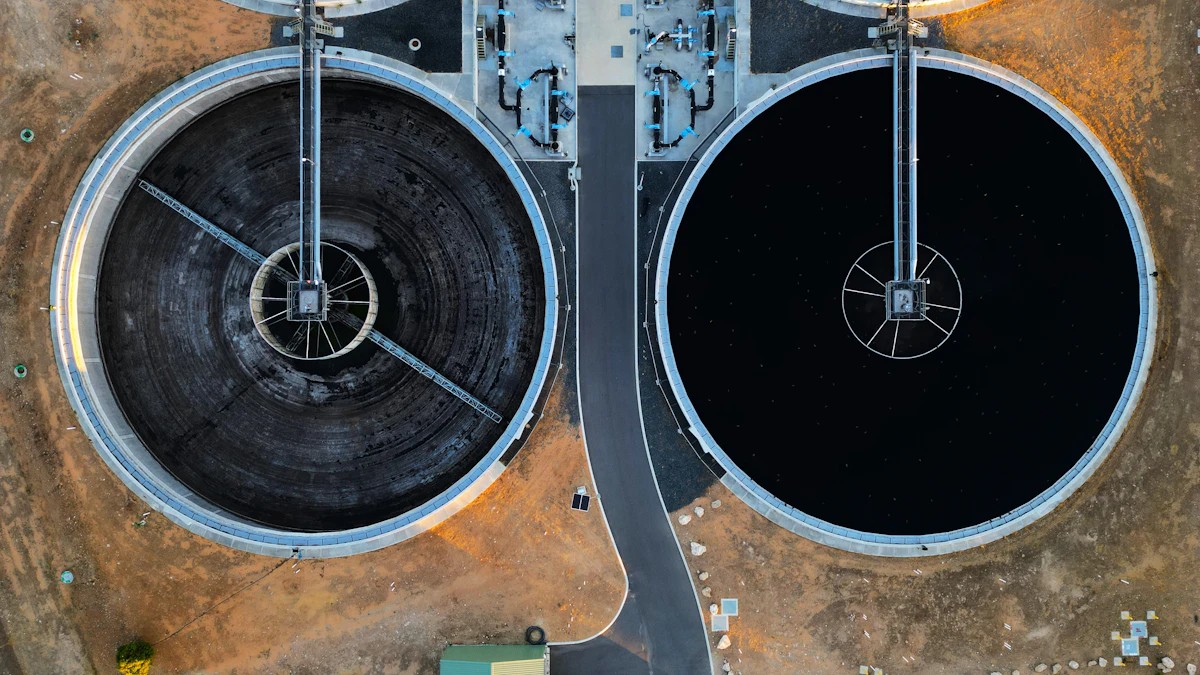
The interesting setting is an existing plant, rather than an entirely separate industrial site. It suggests a way to evaluate climate technology alongside a useful everyday service. Integration is a meaningful engineering step; the next questions concern operating demands, measured net removal and whether the approach works economically at a particular facility.
CropX: listening to the soil before the crop struggles
Fact: CropX combines soil sensors with an agronomy platform; its hardware measures conditions including soil moisture and temperature.

A field that looks uniform from the road may contain very different conditions below the surface. Measurements can make those differences visible to the person deciding when to irrigate. The opportunity is to connect observation with action, while checking that sensor placement and recommendations reflect the actual crop and growing conditions.
Beewise: robotics enters the beehive
Fact: Beewise’s BeeHome combines artificial intelligence and robotics in a managed hive system designed to support beekeeping.
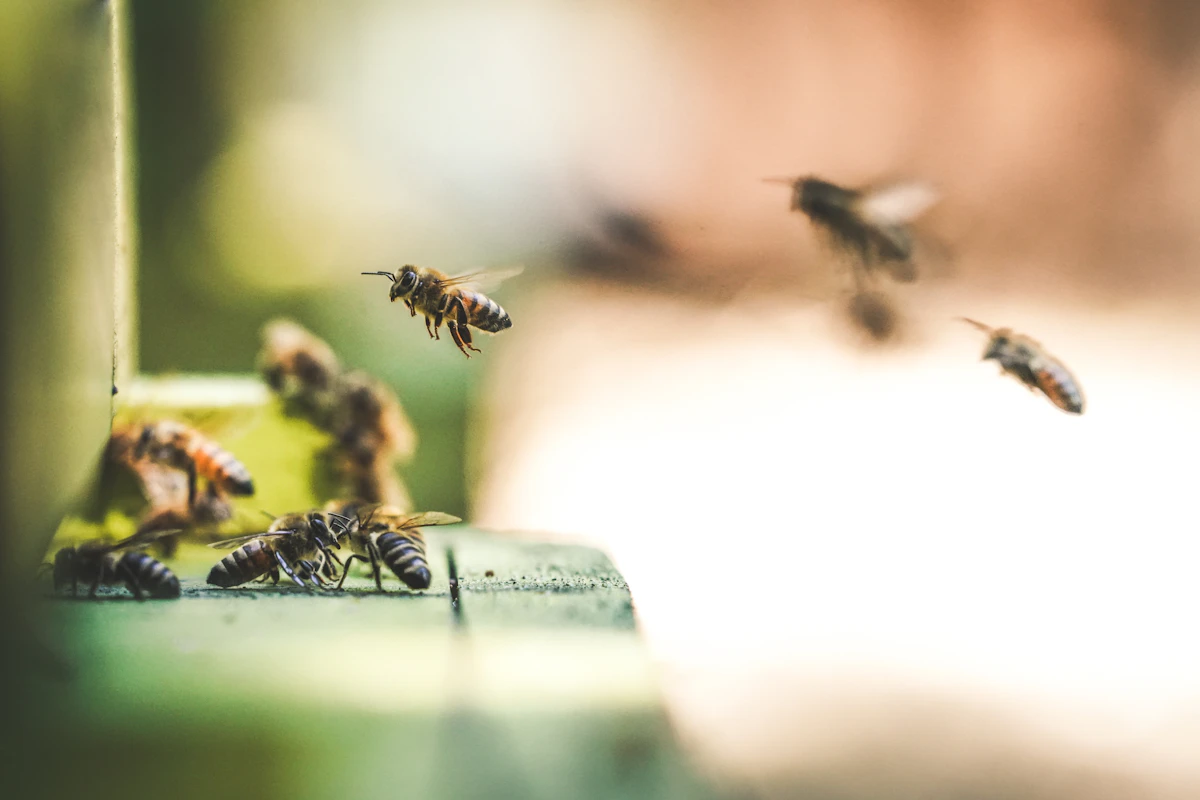
Here, automation is aimed at caring for a living colony. It is a compelling reversal of the usual factory-robot story: the purpose is to help a biological system function. For growers and beekeepers, the meaningful measures are colony health and pollination outcomes in the conditions where the system is actually used.
Remilk: making dairy protein through fermentation
Fact: Remilk uses precision fermentation to produce dairy protein without relying on cows to make the protein.

The innovation is in how an ingredient is produced. That opens a different conversation about food manufacturing, distinct from replacing milk with a plant beverage. For a food business, the next chapter is formulation: how an ingredient behaves in a recipe, how it is labelled and whether production can support consistent quality and supply.
Aleph Farms: beef grown from animal cells
Fact: Aleph Farms describes its cultivated Petit Steak as combining bovine cells with a plant-protein matrix made from soy and wheat.
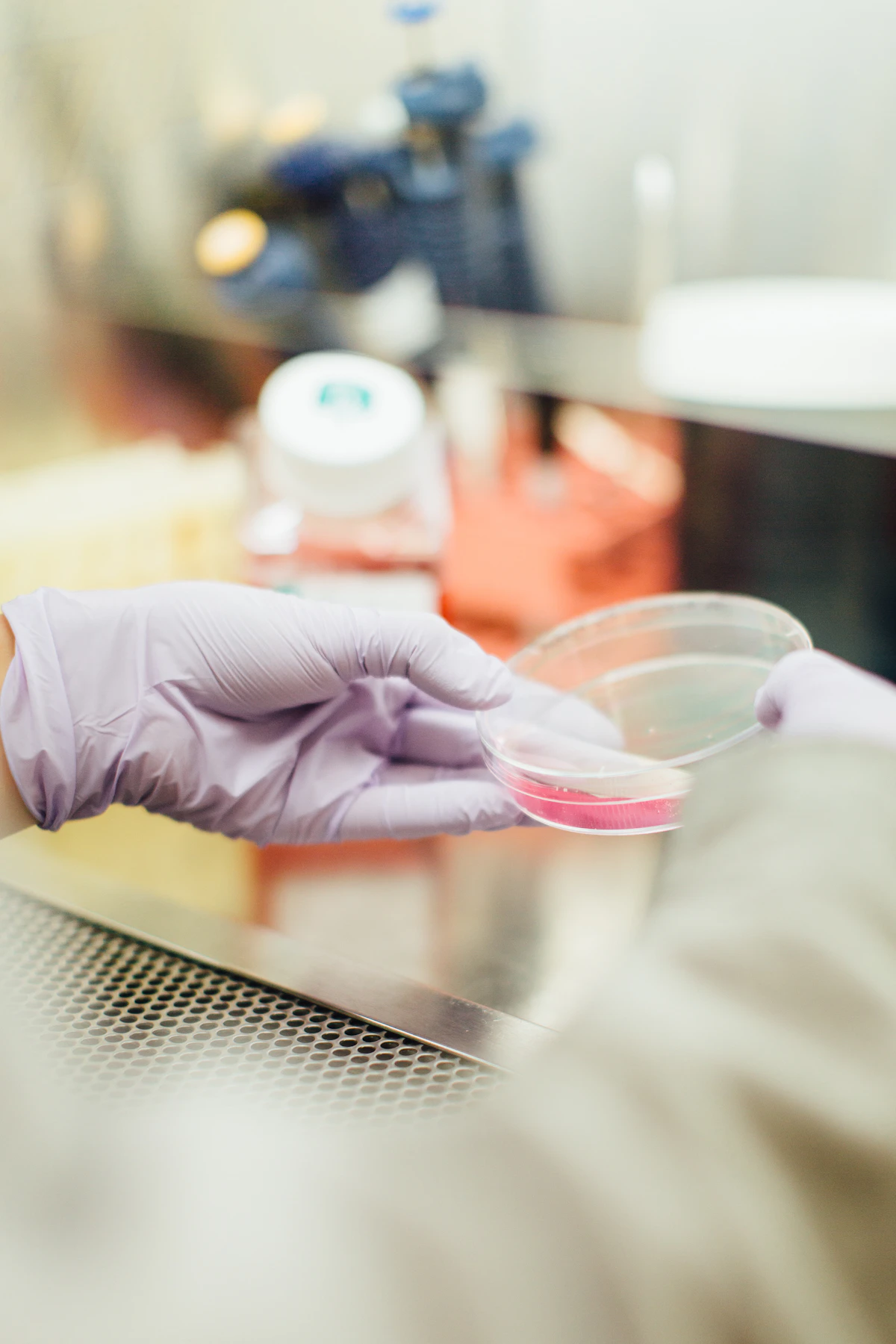
This is a concrete example of tissue-cultivation techniques entering food development. The recipe is more specific than the shorthand “lab-grown meat” suggests. A successful product still has to satisfy the diner and the producer: taste, texture, manufacturing consistency, price and permission to sell in the intended market all matter.
MeMed: an infection clue from the immune system
Fact: MeMed describes BV as an FDA-cleared test that uses the body’s immune response to help distinguish bacterial from viral infection in 15 minutes.
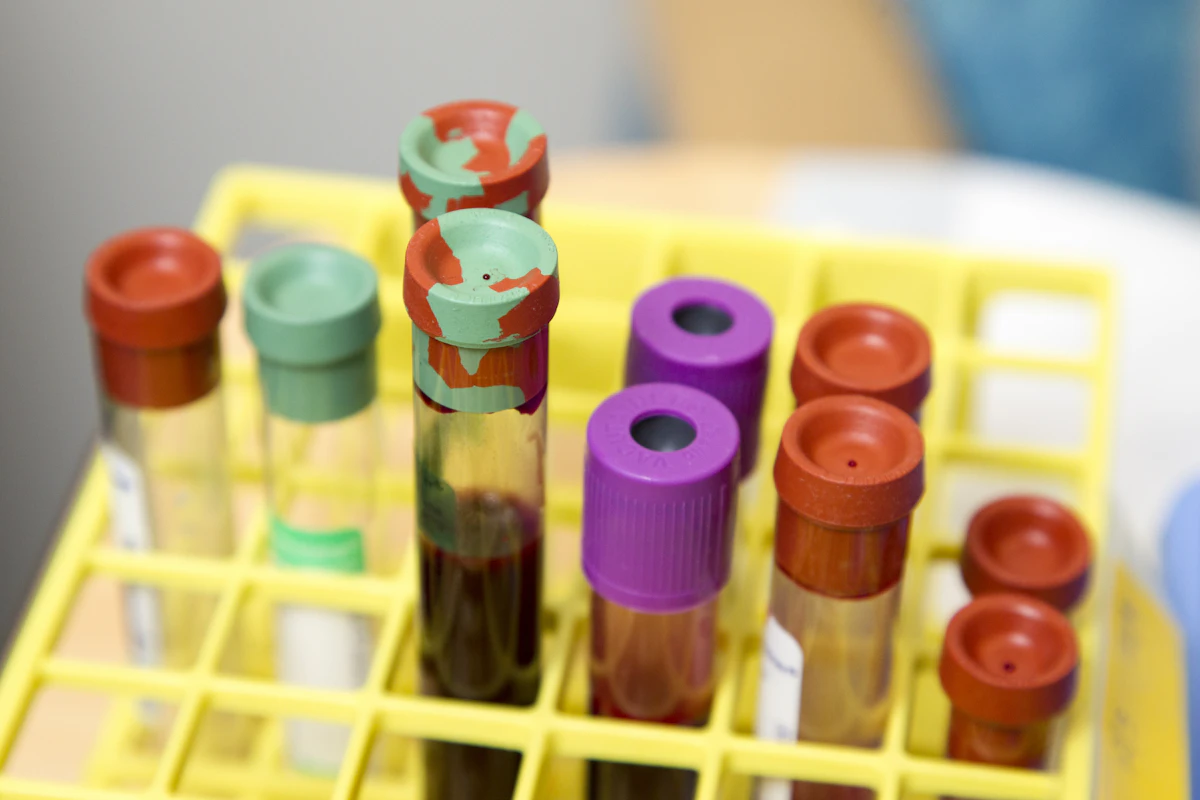
The clinical question is familiar; the source of the signal is what makes the approach interesting. In its March 2026 release, MeMed separately described BV Flex, the capillary-blood version, as investigational. That distinction keeps the established test separate from a newer version still going through development and review.
OrCam: turning printed words into sound
Fact: OrCam MyEye attaches a small camera to eyeglasses and can convey written text through audio for blind and visually impaired users.

An everyday page, label or screen can become easier to access when the information is delivered through another sense. This is a reminder that innovation can be measured in independent tasks, not only computing power. Product version, supported languages and the user’s needs should guide any real-world assessment.
ReWalk: wearable robotics for mobility
Fact: Lifeward’s ReWalk is a powered personal exoskeleton developed for people with spinal cord injuries.

Robotics becomes something a person wears, rather than a machine operating across the room. The significance is personal mobility, with use shaped by clinical suitability and training. It should not be presented as a cure or a solution suitable for every disability; the individual user and care team remain central to the story.
Mobileye: helping a vehicle interpret the road
Fact: Mobileye develops sensing and computing technology for driver assistance and automated driving, and reports reaching 250 million vehicles with its technology.

It is an example of complex computing becoming part of an ordinary journey. The large installed footprint should not be confused with the same number of driverless cars: assistance and autonomous operation are different capabilities. For transport operators, the relevant details are the task, road conditions and responsibilities that remain with the driver.
StoreDot: changing the chemistry of charging
Fact: StoreDot develops silicon-based battery-anode technology for extreme-fast charging of electric vehicles.
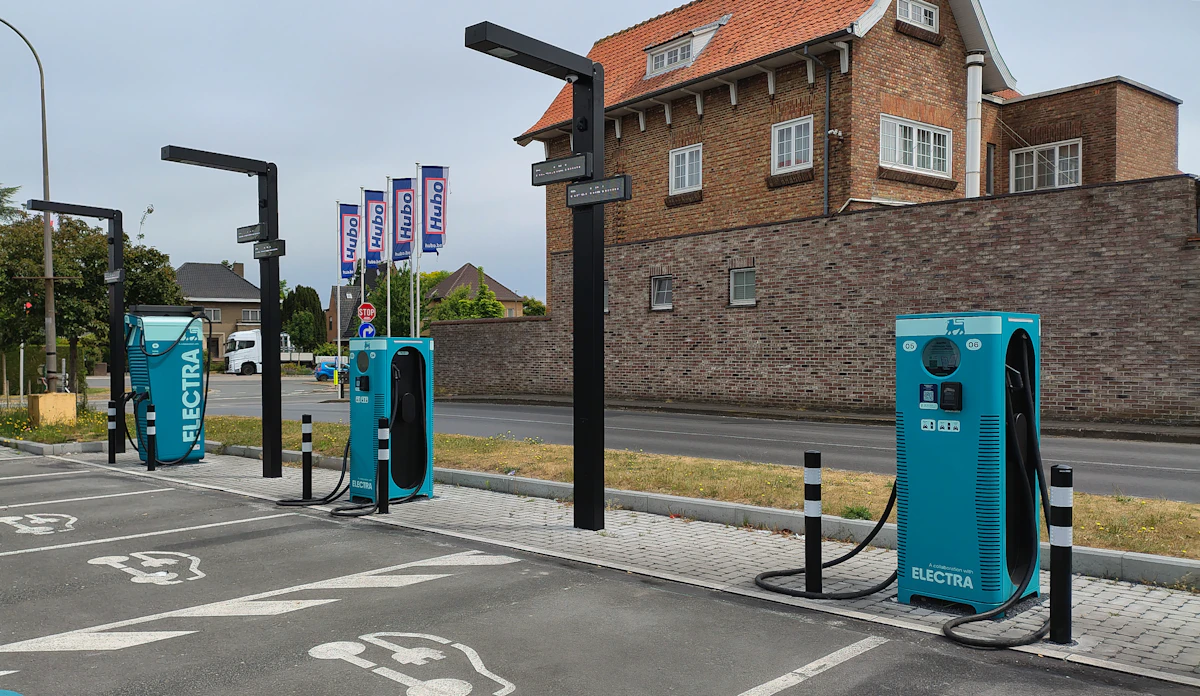
The innovation sits inside the battery, where the choice of material affects how charging works. For a driver, the hoped-for benefit is less waiting. Turning cell technology into a dependable vehicle feature also involves the battery pack, thermal management and charging infrastructure; a laboratory or prototype result needs that wider context.
SolarEdge: managing solar power panel by panel
Fact: SolarEdge’s power optimizers manage photovoltaic production at the individual-panel level using maximum-power-point tracking.
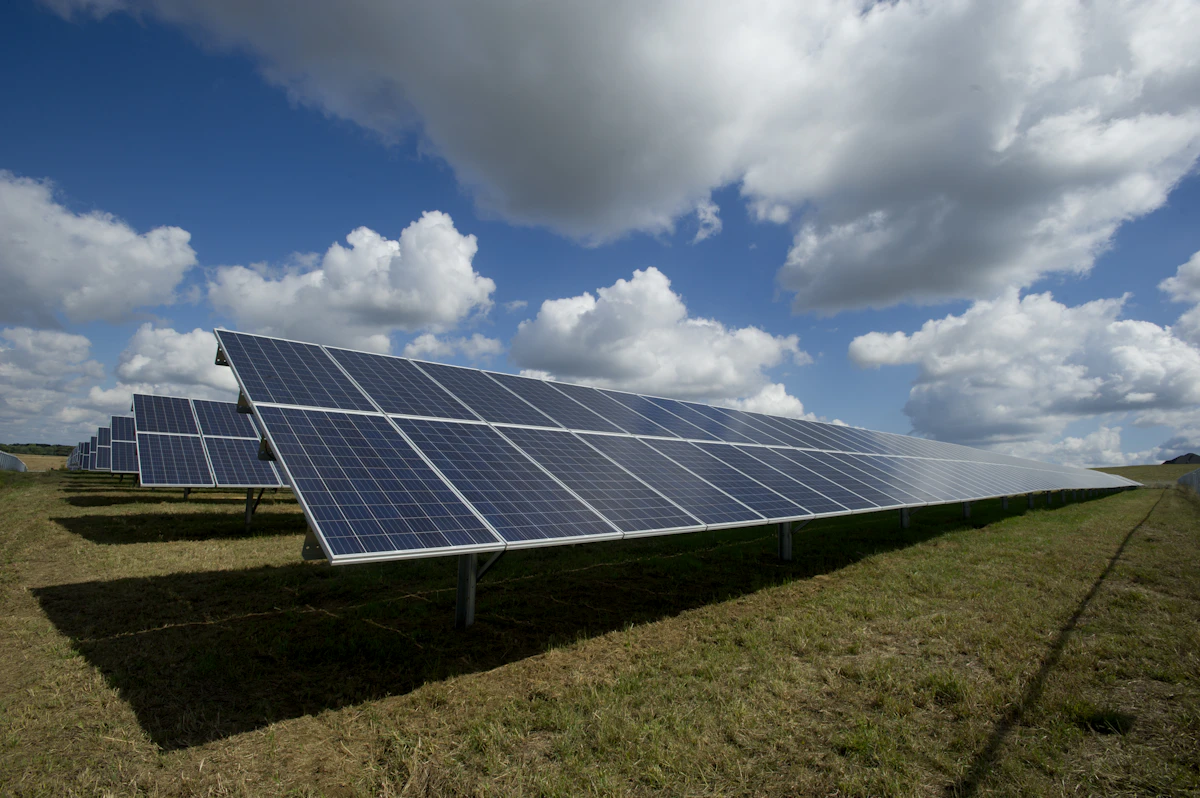
Instead of treating a rooftop array as one undifferentiated source, the system can respond at a smaller scale. This makes the engineering relevant to actual roof layouts and uneven conditions. For a building owner, the useful comparison is the performance and service needs of a complete installation over time.
H2Pro: producing hydrogen and oxygen at different times
Fact: H2Pro’s Decoupled Water Electrolysis separates hydrogen production from oxygen production in time.

Changing the sequence changes the engineering possibilities. The company is developing the approach for integration with renewable electricity. Industrial relevance will depend on the whole project: available power, operating conditions, maintenance and the customer’s hydrogen requirements. Those details are especially useful when discussing potential energy applications with Gulf readers.
UBQ Materials: a new destination for household waste
Fact: UBQ Materials converts mixed household waste, including organic material, into a thermoplastic composite.

The notable step is treating a mixed waste stream as an input for manufacturing. It connects the end of one product’s life with the beginning of another. For a manufacturer, the decisive questions concern material properties, consistency and suitability for the intended product—not a blanket claim that every application has the same environmental benefit.
Wiliot: a digital identity without a battery
Fact: Wiliot’s IoT Pixels are battery-free Bluetooth sensors that harvest radio-frequency energy and connect physical items to digital information.
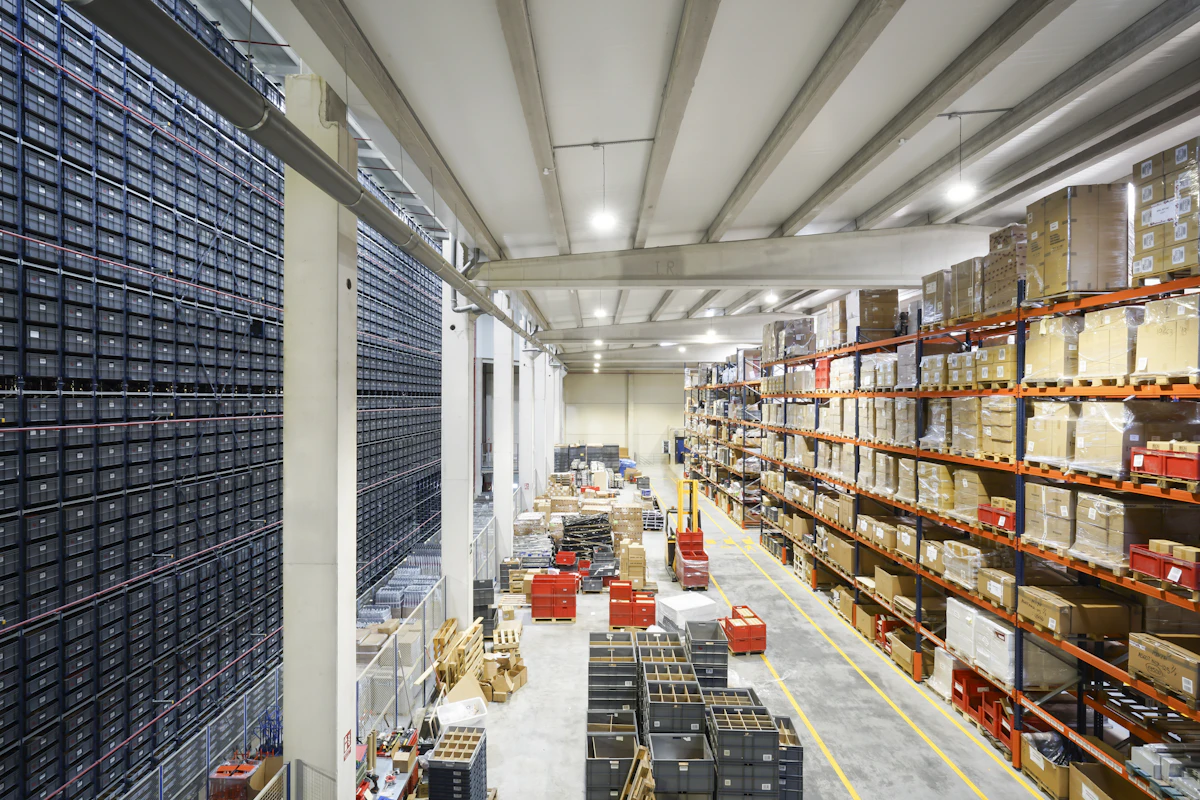
A box can become a source of information rather than an object that disappears between scans. The potential value is in making physical supply chains easier to understand. A useful deployment starts with a specific operational question, then checks whether the tags, network and software together provide an answer someone can act on.
Check Point: giving network security a memory
Fact: Check Point’s stateful firewall tracks connection state and context when assessing network traffic.

The principle is intuitive: an ongoing conversation tells you more than a single isolated message. Applied to networking, that context helps determine how communication should be handled. It is an example of innovation whose impact is often least visible when systems are working normally, supporting the digital services that everyday activity depends on.
AstroRad: studying how to protect life beyond Earth
Fact: The MARE experiment was designed to compare radiation exposure in two human-shaped phantoms aboard Artemis I, with one wearing the AstroRad protective vest.

This brings the idea of “chai” to an unusual setting: protecting people where the environment is fundamentally different from home. The experiment makes a protective concept measurable. It should not be read as a promise of complete radiation protection, but as a way to build evidence for the equipment future explorers may need.
These choices connect very different fields through a common thread: turning knowledge into something that can touch people’s lives. References to relevance for Gulf readers are editorial analysis, not announcements of partnerships or local authorisations.
Explore our company directory and technology and regional business coverage.
Sources reviewed by SalamTechs on 11 September 2026. Product capabilities and adoption figures are attributed to the named organisations. Photographs illustrate each subject and carry individual credits.