
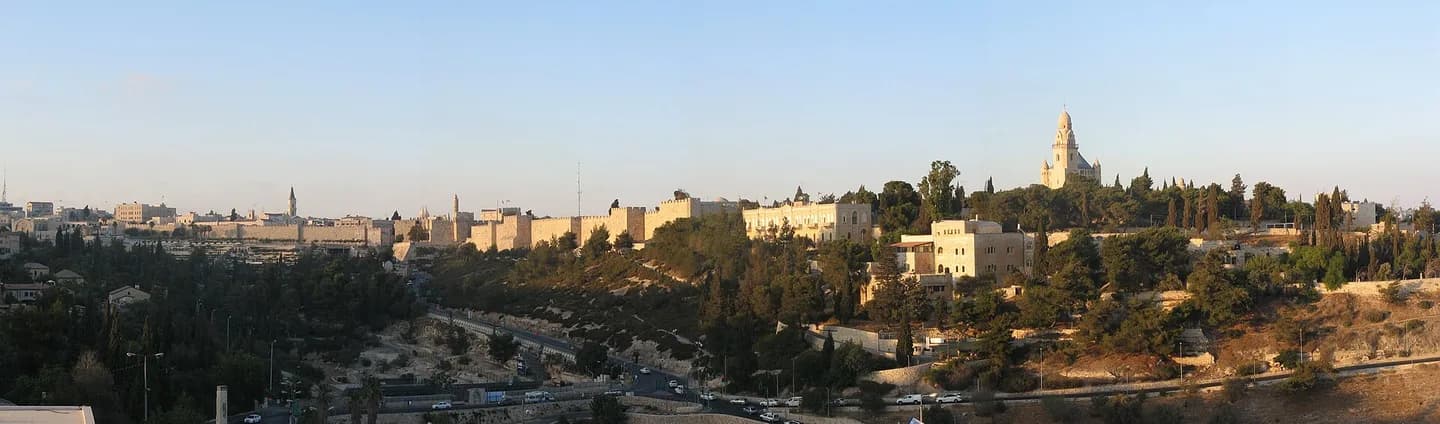
Jaffa Gate and the Old City lanes
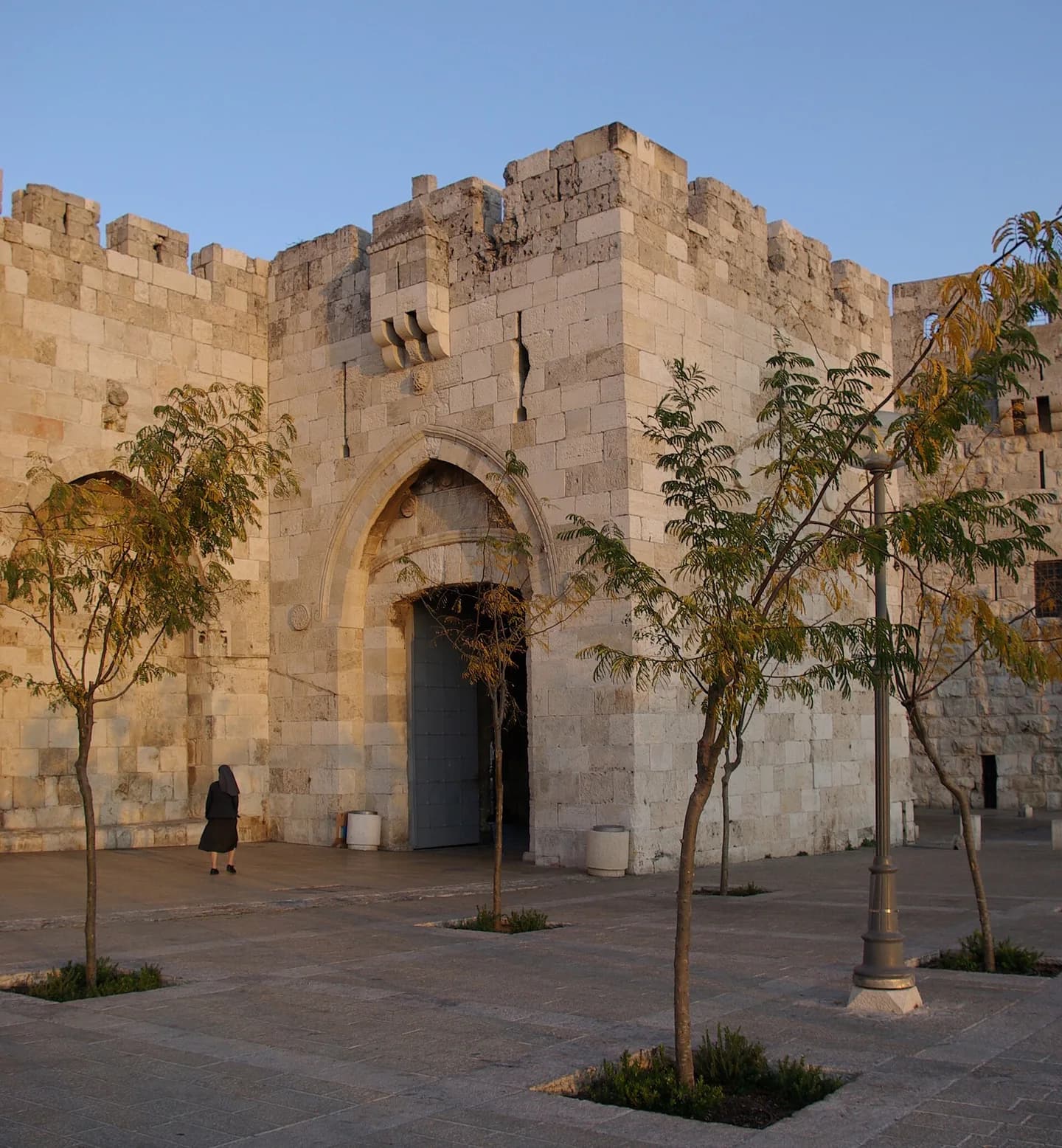
Begin at an actual gate to make the Old City easier to understand. Jaffa Gate connects naturally with the Mamilla side of the city, but the walks inside continue to distinct quarters and religious sites. Choose a route with two or three priorities instead of attempting every lane. Save the return gate on your map, particularly if your group splits for shopping, worship or a café stop.
The Church of the Holy Sepulchre
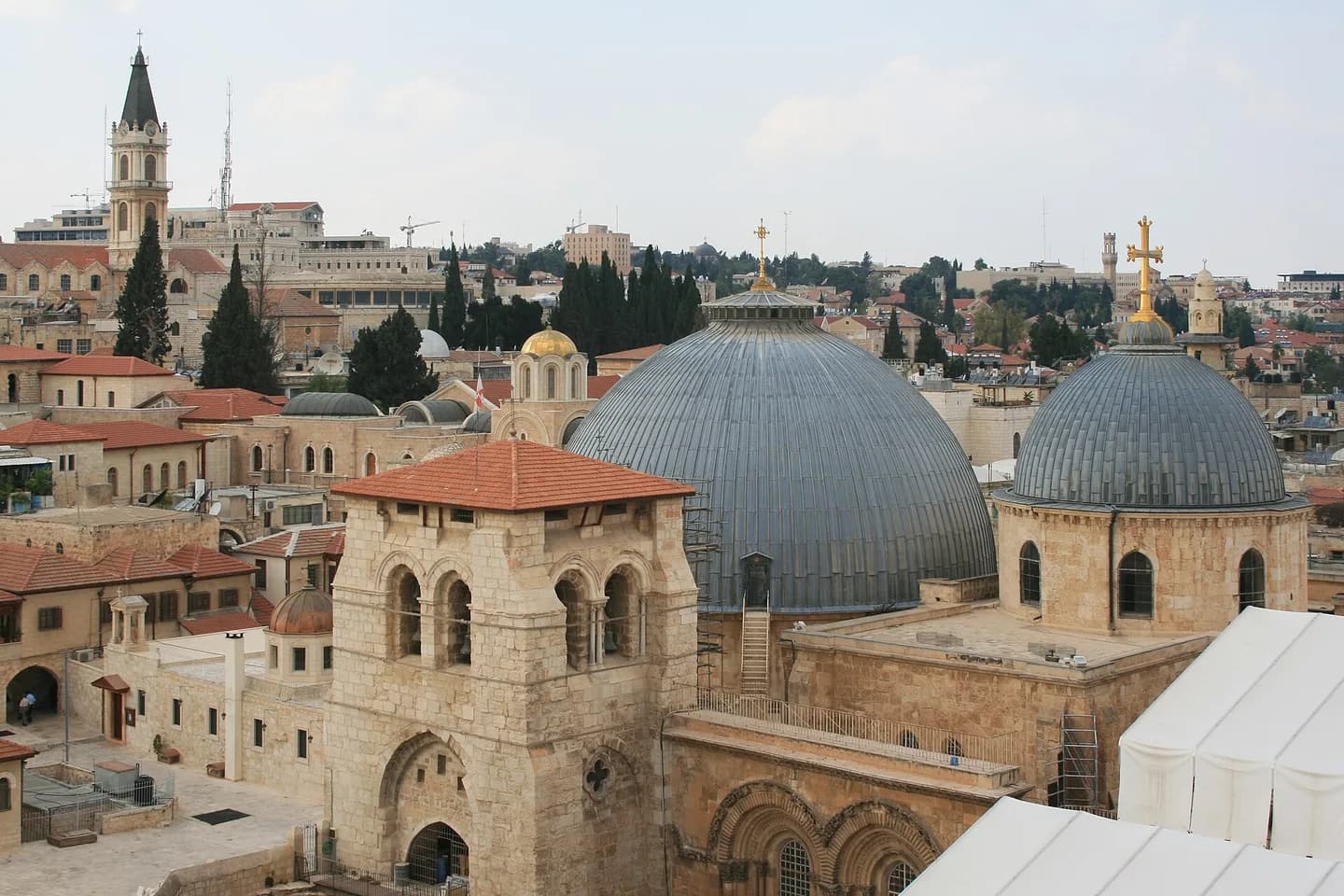
Begin with the service you want to attend, because several Christian communities use this church and their arrangements are distinct. The Franciscan information explains visiting alongside liturgical life; it does not mean any visitor can join any ceremony at any time. Mamilla and David Citadel are hotel addresses to compare for an approach via Jaffa Gate. The route continues inside the Old City to the church, with paving, turns and crowding that a gate-only distance misses.
Al-Aqsa and the Haram al-Sharif
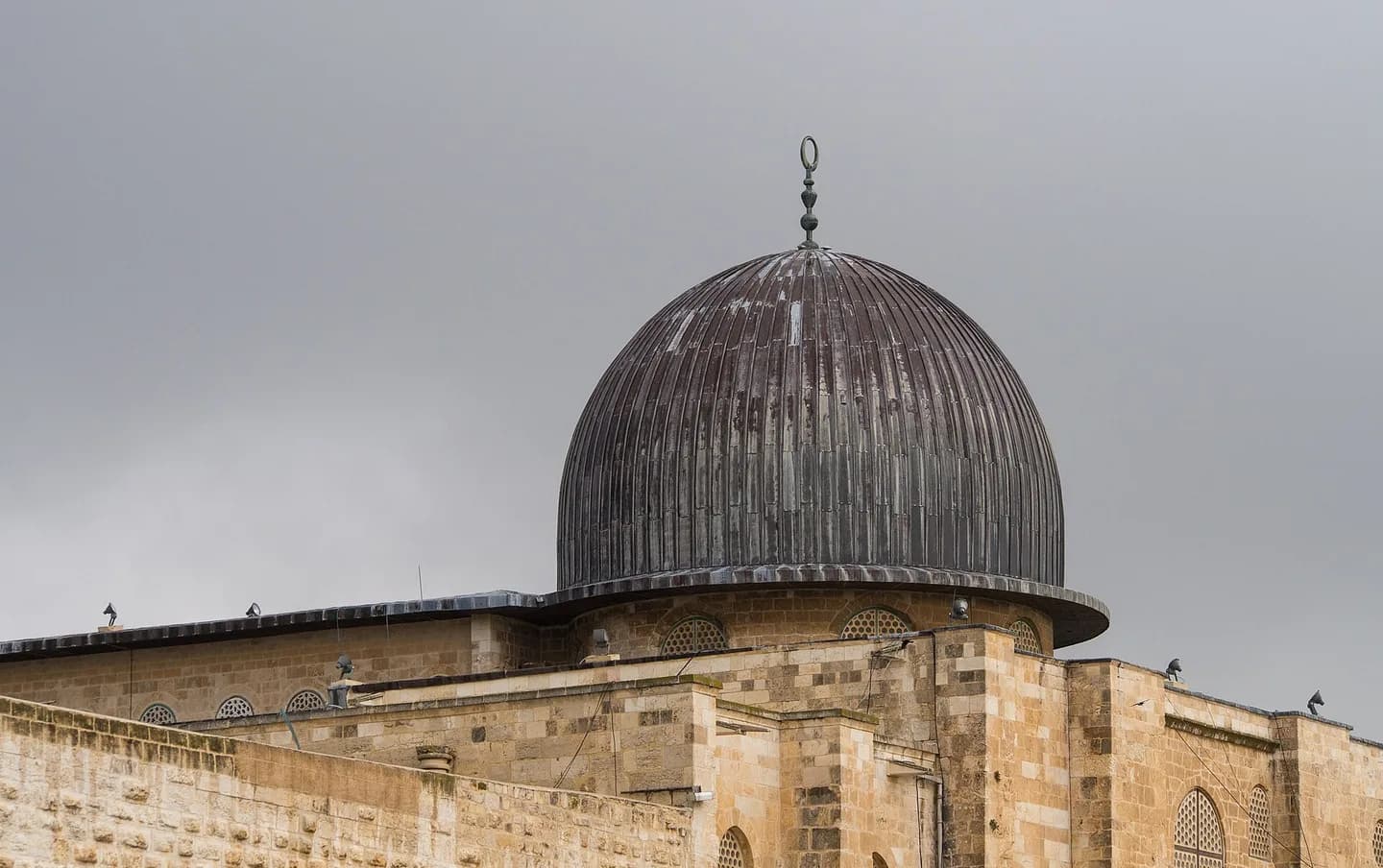
This is a sacred Muslim destination whose access cannot be inferred from a sightseeing list. Confirm the current arrangements applicable to your visit, including the entrance, date and purpose, through the relevant authorities and the site’s administration. The Jordanian Awqaf source identifies the directorate responsible for Al-Aqsa and Jerusalem affairs; it is not a universal entry rule. If access is not confirmed, do not make it a guaranteed stop or book a hotel on that assumption.
The Western Wall plaza
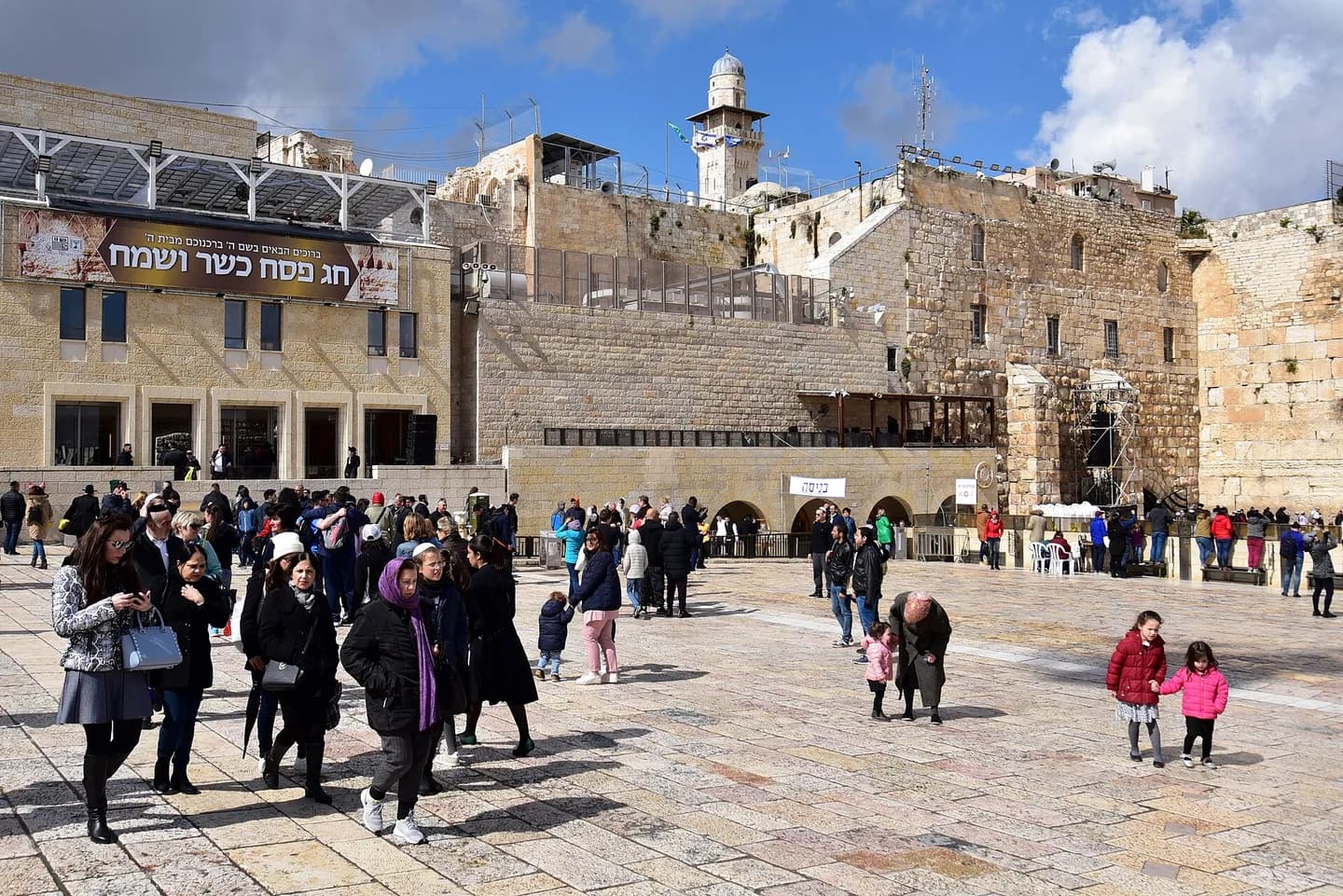
Plan this as a religious place with its own entry and conduct arrangements, whether you are visiting or coming to pray. Check current official visitor information and security procedures. Respect worshippers and the instructions in each part of the plaza. Pair it with a focused Old City route rather than assuming that access arrangements for another holy site apply here too.
Via Dolorosa
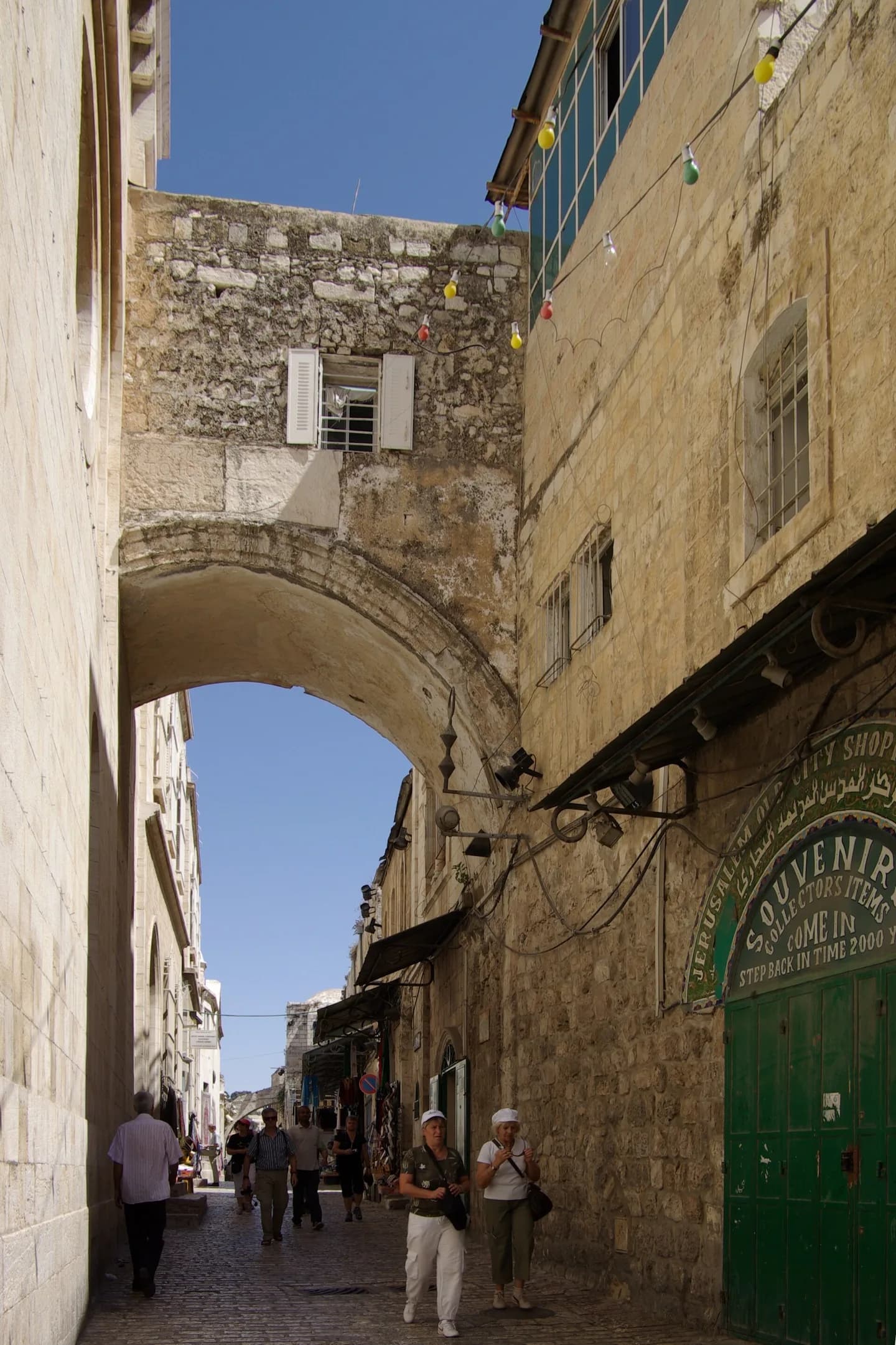
The Via Dolorosa is a route through the Old City rather than a single building. Christian visitors may follow it as part of a pilgrimage; other travellers can use it to understand the streets and religious setting. Choose the actual starting point and keep shopping or lunch separate from any organised devotional procession. Busy lanes, paving and steps make it sensible to walk at a pace suited to the group.
Tower of David Museum
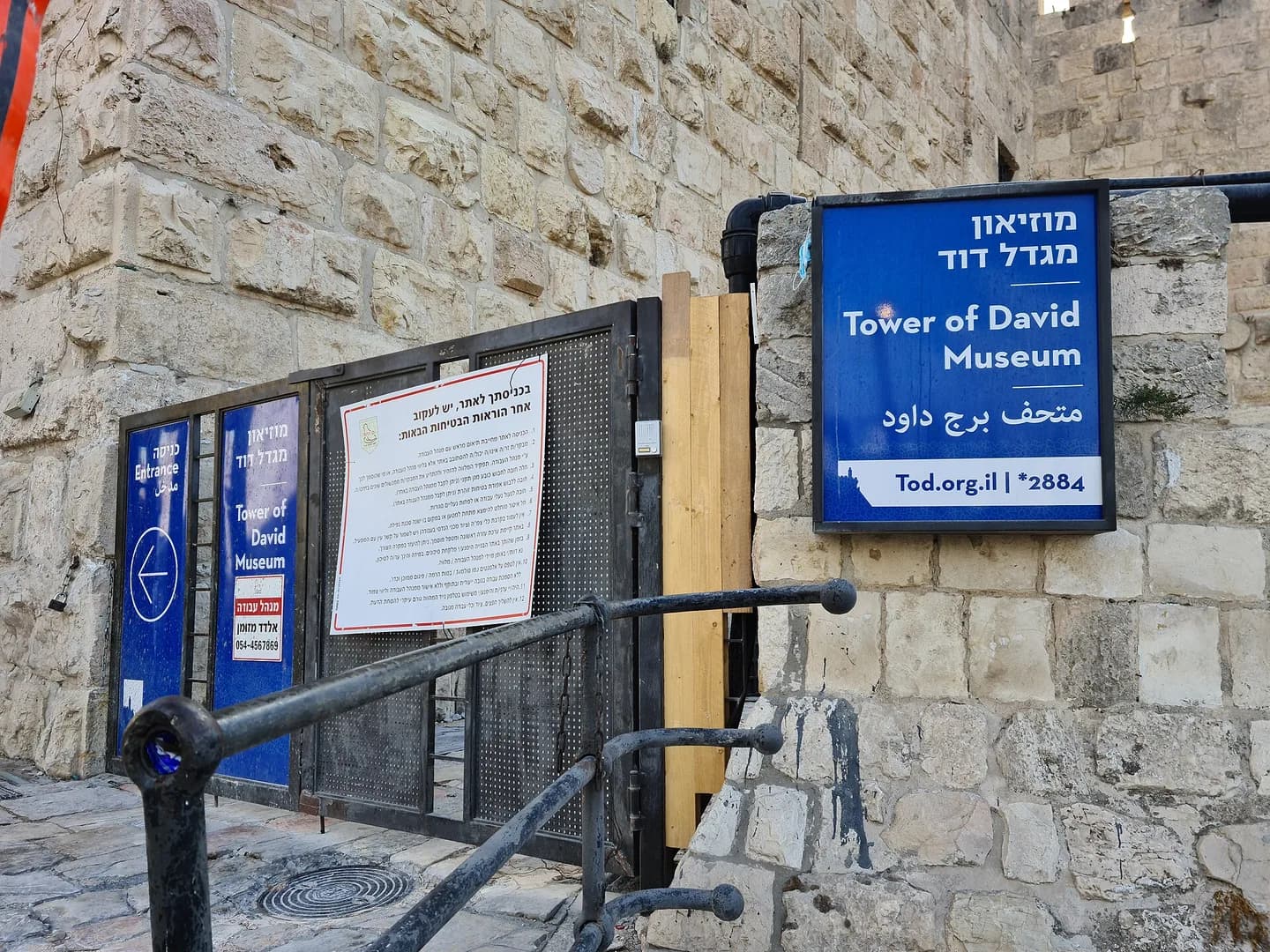
Choose the museum for an interpreted introduction to Jerusalem, not simply an exterior photograph of the citadel. The location beside the Jaffa Gate area makes it easy to connect with a separate Old City walk. Check current exhibitions and ticket types: a museum visit and an evening event may have different booking conditions. Give the displays time before moving into the lanes.
Mahane Yehuda Market
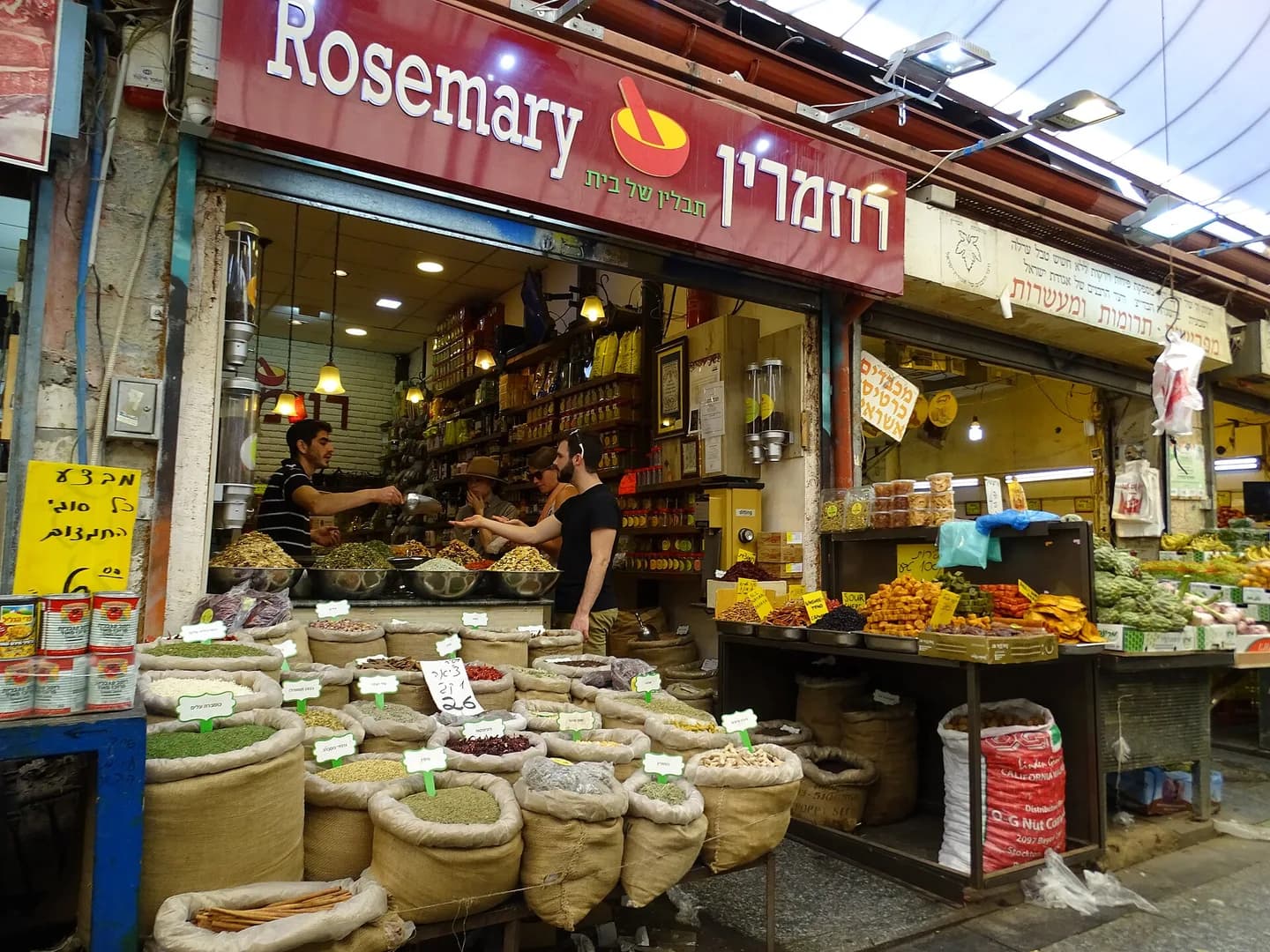
The market offers an everyday city experience beyond the walls: produce, food shops and places to eat. Browse a few streets rather than treating every stall as a required stop. Choose daytime shopping or an evening meal according to what your chosen venue actually offers, and check holiday operation. Nahlaot is a natural neighbourhood companion, while a museum visit belongs in a separate part of the day.
The Israel Museum
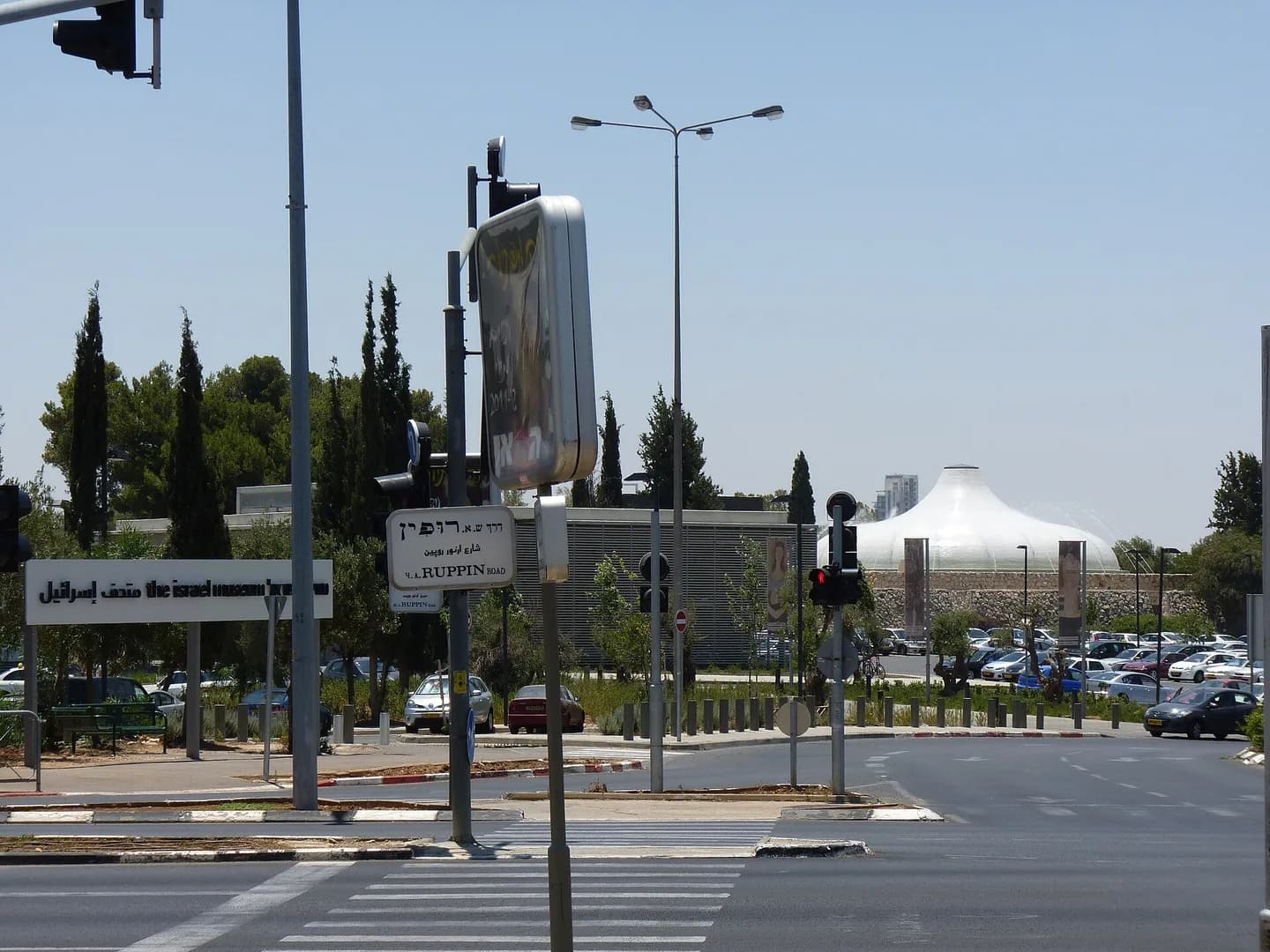
Set aside a focused museum visit and choose the collections or exhibitions that interest you. The Shrine of the Book, archaeology, art and the sculpture garden are different reasons to come; attempting everything at once can dilute the experience. Use the official programme to confirm what is open and the relevant ticket arrangements. This is a separate journey from the Old City, so plan it rather than inserting it between church services.
The Mount of Olives
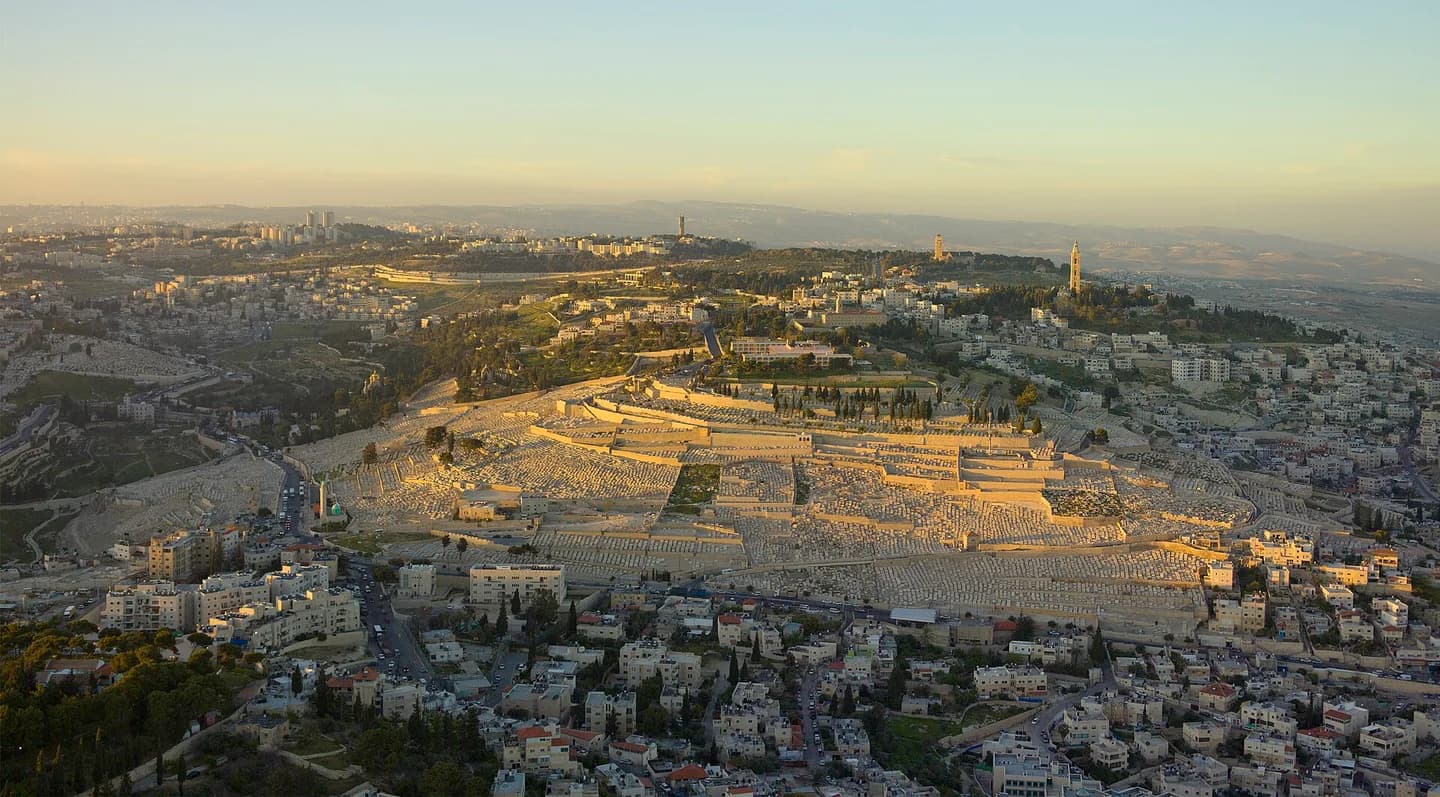
Come for the landscape and the religious places you have chosen, with an actual route between them. A viewpoint, Gethsemane and Dominus Flevit require separate walking decisions across the hillside. Ask about steps and gradients and consider a transfer for the first leg. Leave time to appreciate the view towards the Old City instead of trying to cover every religious landmark in a single descent.
Ein Karem
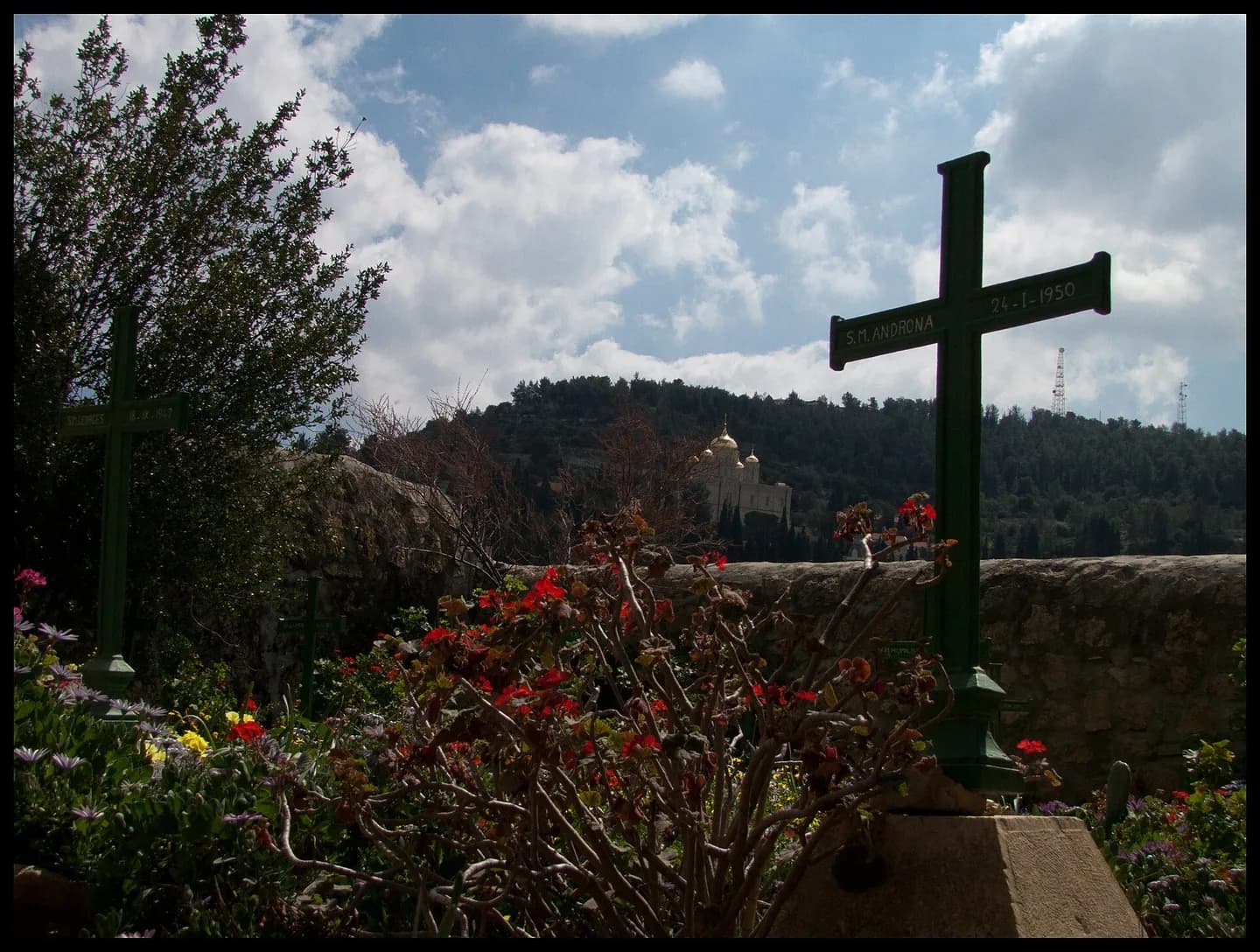
Give Ein Karem a separate half-day or a slower outing outside the central circuit. Stone buildings, hillside streets and Christian sites create a different rhythm from the Old City. Choose the church or gallery you actually want to visit and confirm its opening before arranging transport. The village-like setting does not mean the walks are flat, so check the path between the drop-off point and your chosen destination.
YOUR HOTEL BASE
Connect your stay with your visit
Mamilla and David Citadel are addresses to compare for Jaffa Gate approaches. Orient gives a German Colony base for the southern neighbourhoods. American Colony offers a different eastern city location. These pairings support planning, not guaranteed access to a holy site; use the specific prayer guide and confirm the entrance before booking around it.
LOCATION, THEN THE JOURNEY
Compare the route from your hotel
The map locates the named place. Confirm the actual entrance, steps, crossings and site instructions; an automated route does not guarantee entry or accessibility. The external map loads when you choose to show it.
Make the plan yours
Pick one Old City route, one museum and one neighbourhood outing for a balanced first visit. Keep a confirmed religious service as a fixed appointment and leave flexible time for markets and meals. Our three-day guide shows how to connect those choices without treating the entire city as one short walk.
Plan your visit →