
Day 1, on the way north: Caesarea
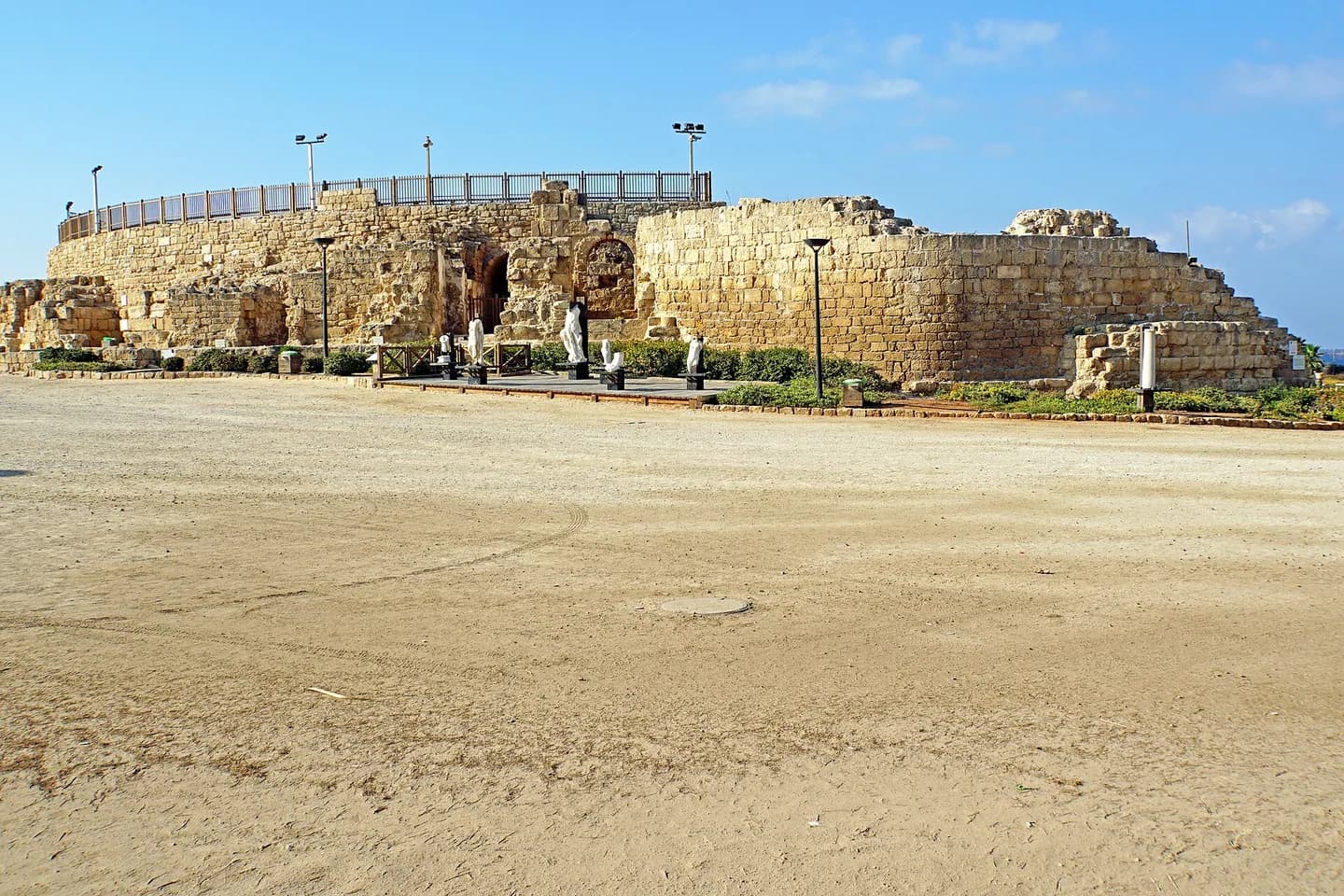
Leave Tel Aviv or Herzliya in the morning and stop at Caesarea, about an hour up the coast. King Herod built the port city and named it in honour of Augustus Caesar, and for centuries it was a major harbour and trading hub linking East and West. The national park lets you walk from the Roman theatre past the promontory palace and the hippodrome to the Crusader fortifications and the old harbour, with the sea beside you almost all the way. Allow two to three hours, more if you stop for lunch at one of the harbour restaurants. The Roman theatre area has an accessible restroom, and the park offers an accessible-visit coordination form. On Saturdays and holidays entry depends on available space, so book ahead through the park's booking system.
Day 1, afternoon: Haifa's German Colony and the Bahá'í Gardens
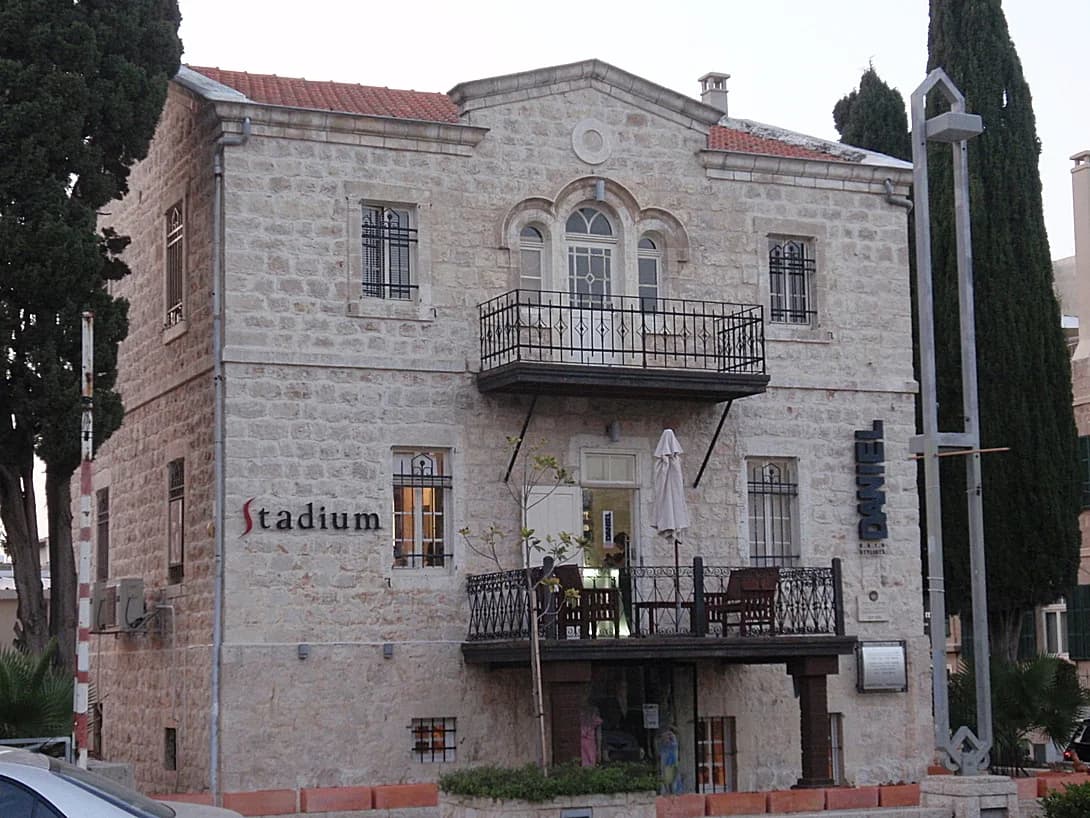
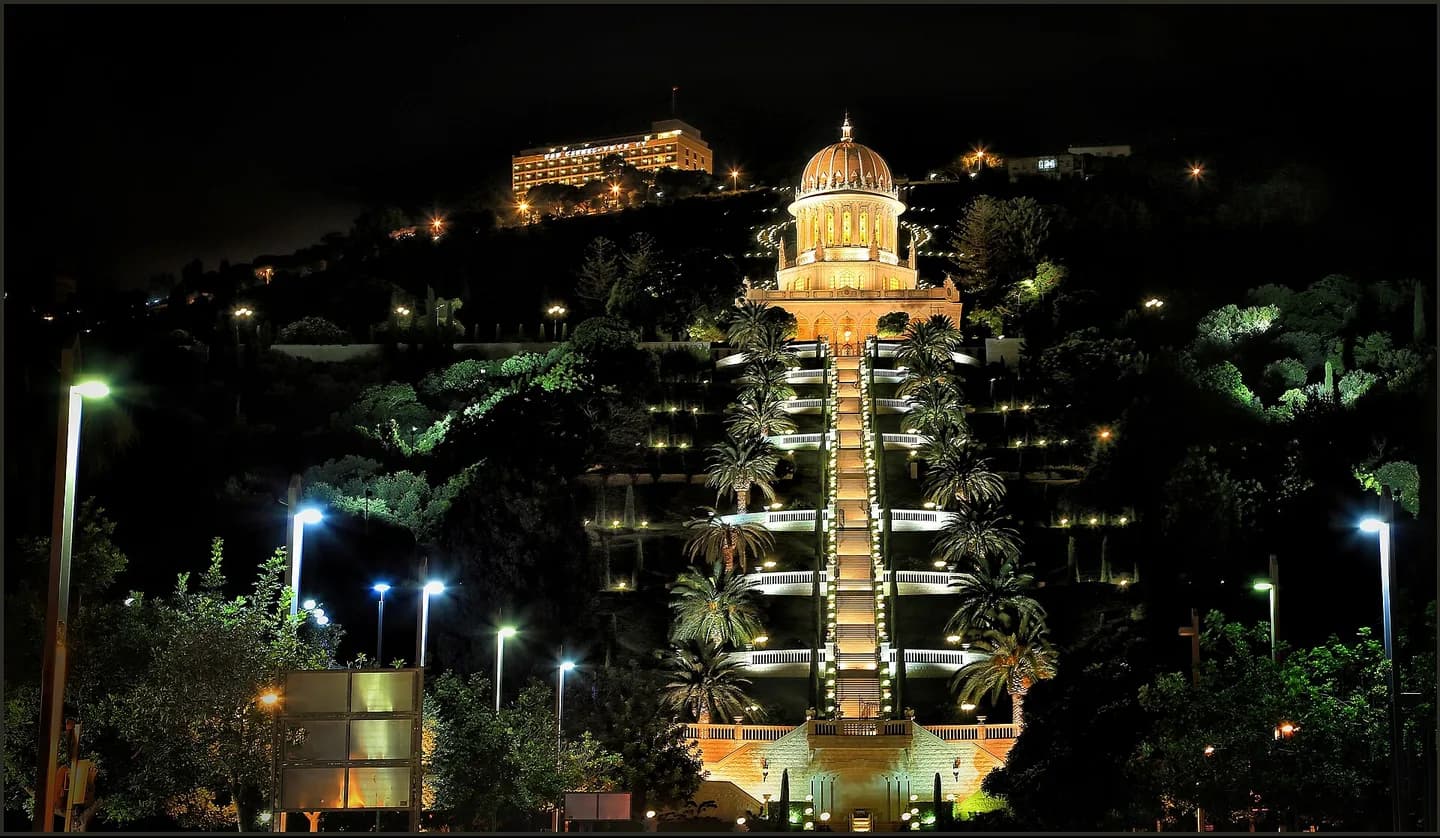
Haifa is about 40 minutes north of Caesarea. Start in the German Colony, laid out by members of the Templers, a German Christian community, in the late nineteenth century: its main street, Ben Gurion Avenue, runs in a straight line up the slope toward the Bahá'í Gardens, and its restored stone houses now hold restaurants, cafés and small hotels. Above it, nineteen terraces climb Mount Carmel around the golden-domed Shrine of the Báb, one of the two holiest places of the Bahá'í Faith; together with the Shrine of Bahá'u'lláh near Akko, it was inscribed as a UNESCO World Heritage Site in 2008. The plaza at the foot of the gardens and the upper viewpoint on Yefe Nof Street are open daily, and the free Upper Terraces Tour – about 50 minutes and 750 steps – runs Tuesday to Sunday by reservation only. The Shrine itself and the inner gardens are open only from 9 a.m. to noon, through the main entrance on Hatzionut Avenue, so go in the morning if you want to enter. Cover shoulders and knees; eating, smoking and drinks other than water are not allowed, and photography is not permitted inside the Shrine. The gardens close on Bahá'í holy days and Yom Kippur, and may close in rain. If you arrive in time for lunch, the nearby Wadi Nisnas neighbourhood is known for its hummus.
Day 2, morning: Old Akko
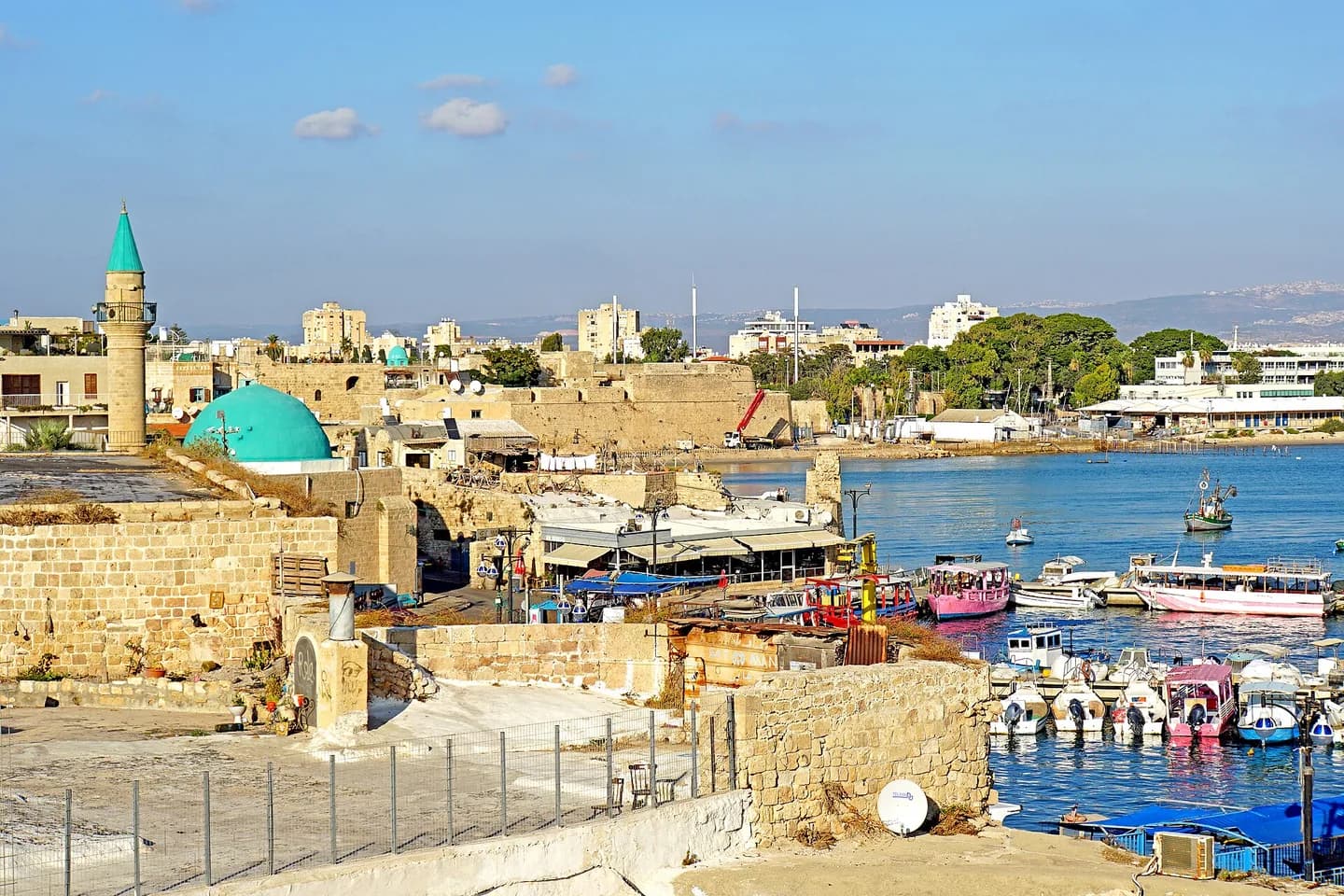
Akko is about 30 minutes north of Haifa by car, or a short train ride, and its walled Old City has been a UNESCO World Heritage Site since 2001. UNESCO describes the Crusader town of 1104 to 1291 as surviving almost intact above and below today's streets, under an Ottoman town of the 18th and 19th centuries with its citadel, mosques, khans and baths. Start underground in the Knights' Halls, then walk through the Templars' Tunnel toward the harbour; the Old Akko development company sells combined tickets for these sites and the restored Turkish bath, and the route along the sea walls is free. Leave time for the market lanes and a fish lunch by the port. If you need step-free access, check the current status of the lift at the Templars' Tunnel before you go.
Day 2, afternoon: Nazareth
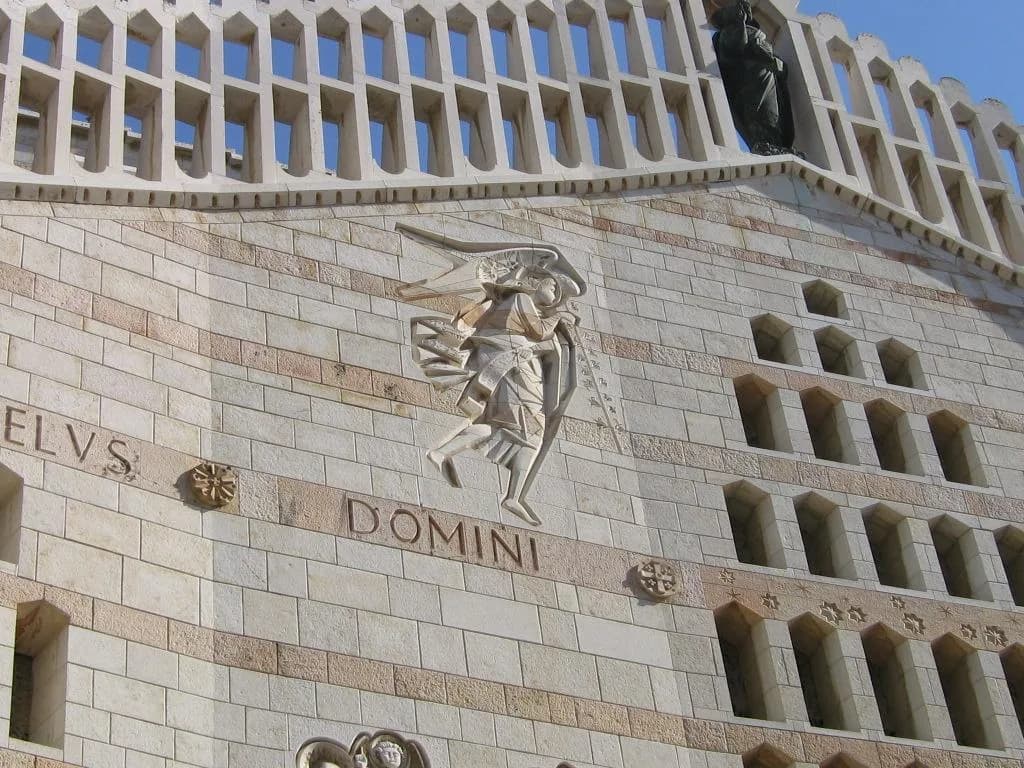
From Akko, Nazareth is under an hour inland. It is one of the largest Arab cities in Israel, the largest in the Galilee, and for Christians the town of the Annunciation. The Basilica of the Annunciation, designed by the Italian architect Giovanni Muzio and consecrated in 1969, is built on two levels: the lower church surrounds the Grotto of the Annunciation, and the upper church holds images of Mary given by communities around the world. A short walk away, the Church of St Joseph, built between 1911 and 1914, stands over a Crusader church and a crypt that tradition links with the Holy Family and Joseph's workshop. The Greek Orthodox Church of St Gabriel, built in 1750, stands at the spring known in Arabic as Ain Sitti Maryam, where Orthodox tradition places the Annunciation. Dress modestly for church visits, check service times before you go, and leave time for the old market and a meal; the city's food is a good reason to stay for dinner.
Day 3, morning: the Sea of Galilee
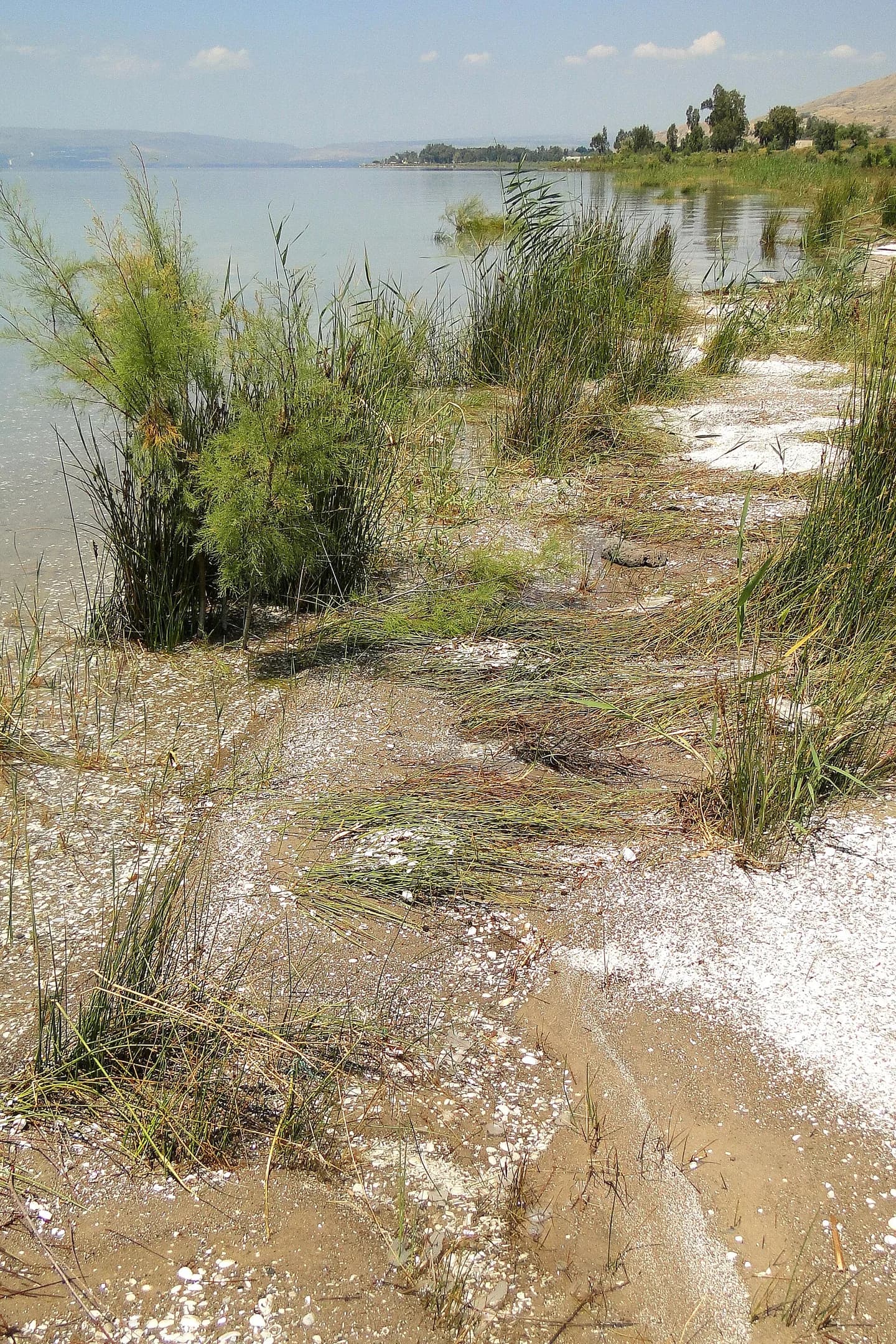
Spend the night in Nazareth or by the lake, then head down to the Sea of Galilee; Tiberias is about 40 minutes' drive east of Nazareth. The lake is about 21 kilometres long and lies roughly 210 metres below sea level, making it the lowest freshwater lake on Earth; Tiberias is on its western shore. On the north-western shore, three Christian sites lie within a few kilometres of each other: Capernaum, where Jesus based his ministry in Galilee, with the remains of a fifth-century synagogue and a modern memorial church above the house of Peter; Tabgha, about three kilometres away, associated with the multiplication of the loaves and fishes; and the Mount of Beatitudes above them, traditionally linked with the Sermon on the Mount. Go in the morning, when it is cooler and quieter, dress modestly for the churches, and swim only at beaches where a lifeguard is on duty.
Day 3, option A: Safed
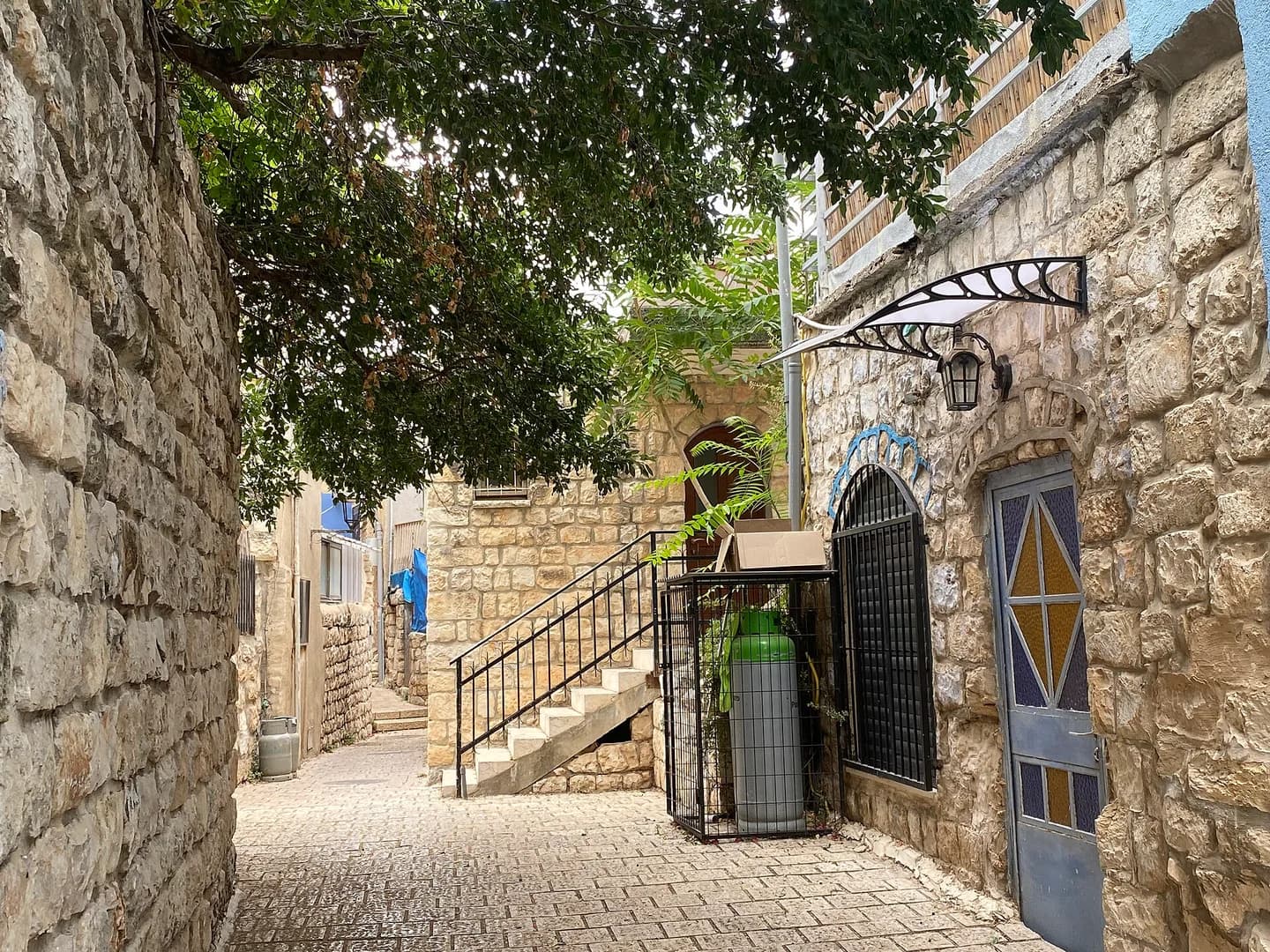
Safed, about 45 minutes north of Tiberias and around 900 metres above sea level, is one of the four holy cities of Judaism and the place where Jewish mysticism, Kabbalah, flourished in the sixteenth century. Its Old City is a hillside of stone lanes and small historic synagogues, with an Artists' Quarter of galleries and workshops. Expect steps and steep streets, and dress modestly if you go into a synagogue. Much of the Old City closes from Friday afternoon until Saturday evening for Shabbat, so plan this option for Sunday to Thursday.
Day 3, option B: Beit She'an on the way back
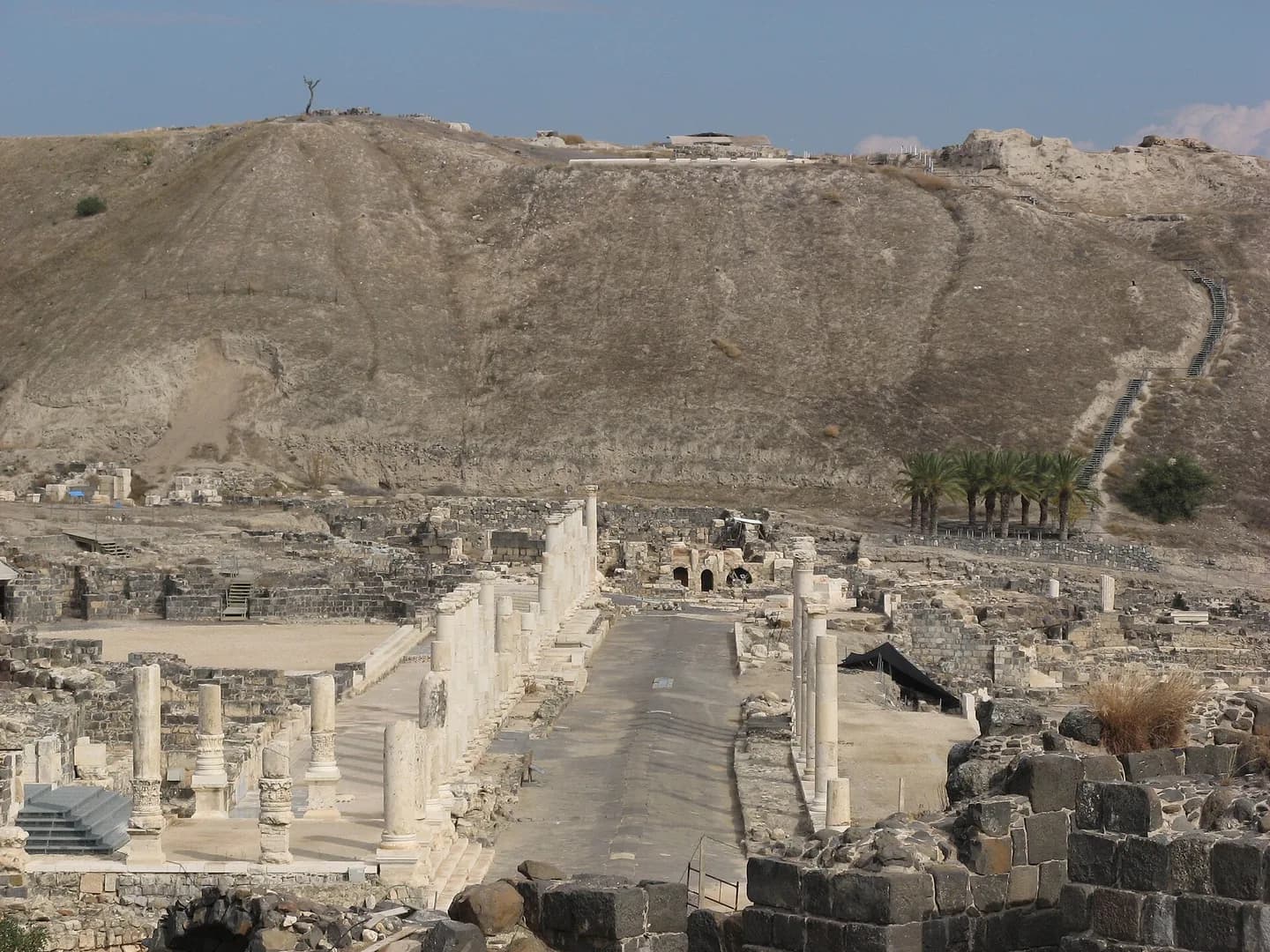
If you prefer archaeology to lanes and galleries, return south via Beit She'an, about 40 minutes from Tiberias. The national park holds the ruins of a large Roman and Byzantine city – a theatre, a restored bathhouse and colonnaded streets – below the high mound of the biblical town, which you can climb for a view over the whole site. An earthquake in the eighth century destroyed much of the city, which is why so many columns still lie where they fell. The site is only partly accessible and is hot and exposed in summer, so go early. On some evenings the park runs a night show that needs a separate booking. From Beit She'an, the drive back to Tel Aviv takes around an hour and a half to two hours.
YOUR HOTEL BASE
Connect your stay with your visit
For the first night, Haifa's German Colony and the streets around the port have small hotels within walking distance of the gardens. For the second, choose Nazareth or Tiberias so the lake is close in the morning. Our hotel directory does not cover northern Israel yet, so compare those hotels on a booking site. If you prefer one base and do the coast as day trips, Herzliya and north Tel Aviv are the closest of our hotel cities: Caesarea is under an hour away and Haifa about an hour, and you avoid packing every night.
LOCATION, THEN THE JOURNEY
Compare the route from your hotel
The map locates the named place. Confirm the actual entrance, steps, crossings and site instructions; an automated route does not guarantee entry or accessibility. The external map loads when you choose to show it.
Make the plan yours
Book the things with limited places first – the Bahá'í Gardens terrace tour and any Saturday entry to Caesarea – and keep the rest flexible. Religious sites set their own hours and close for services and holy days, so check each one the day before. If you only have one day, Caesarea, the Bahá'í Gardens and Old Akko make a full coastal loop from Tel Aviv.
Plan your visit →