
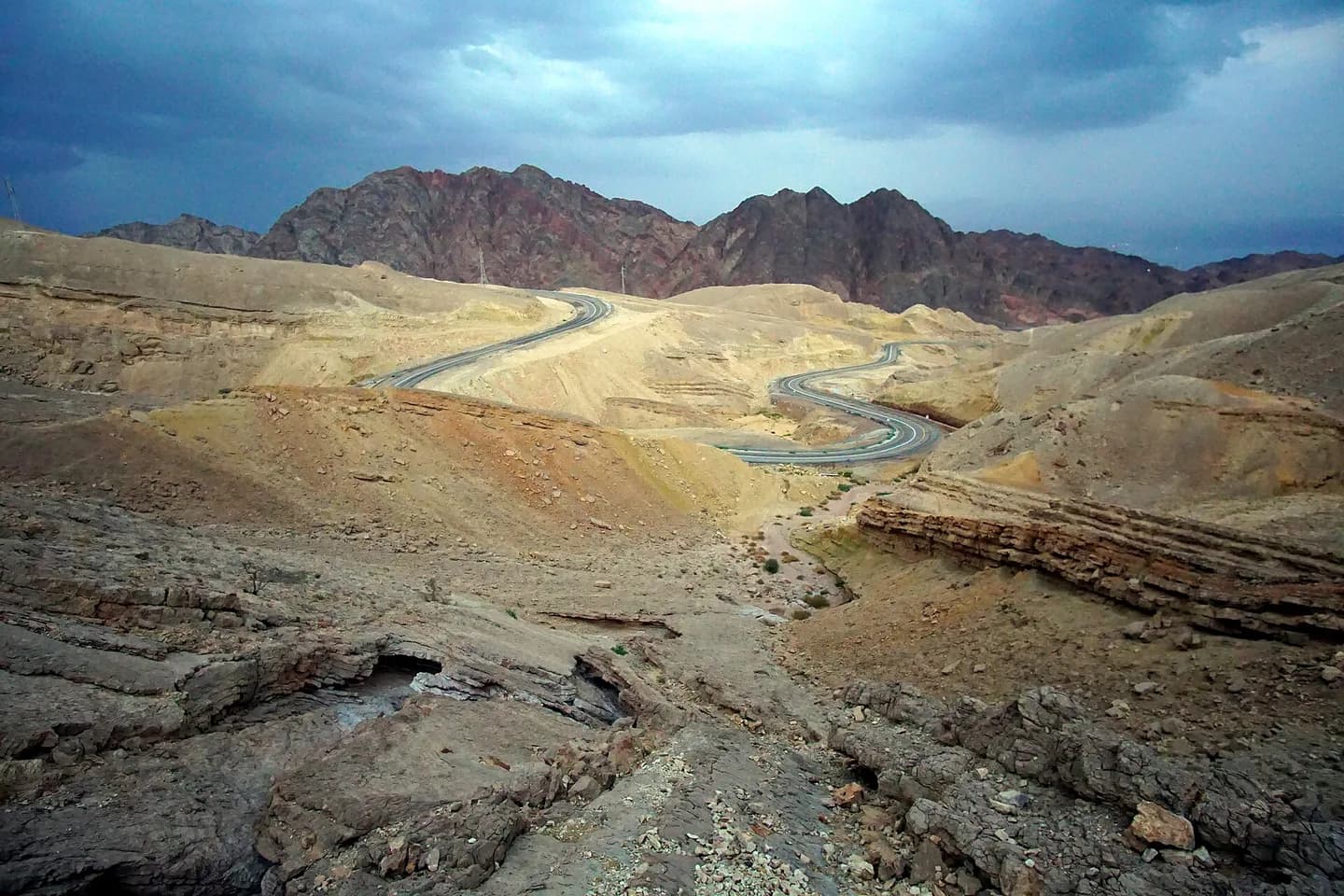
Day 1, sunrise: Masada
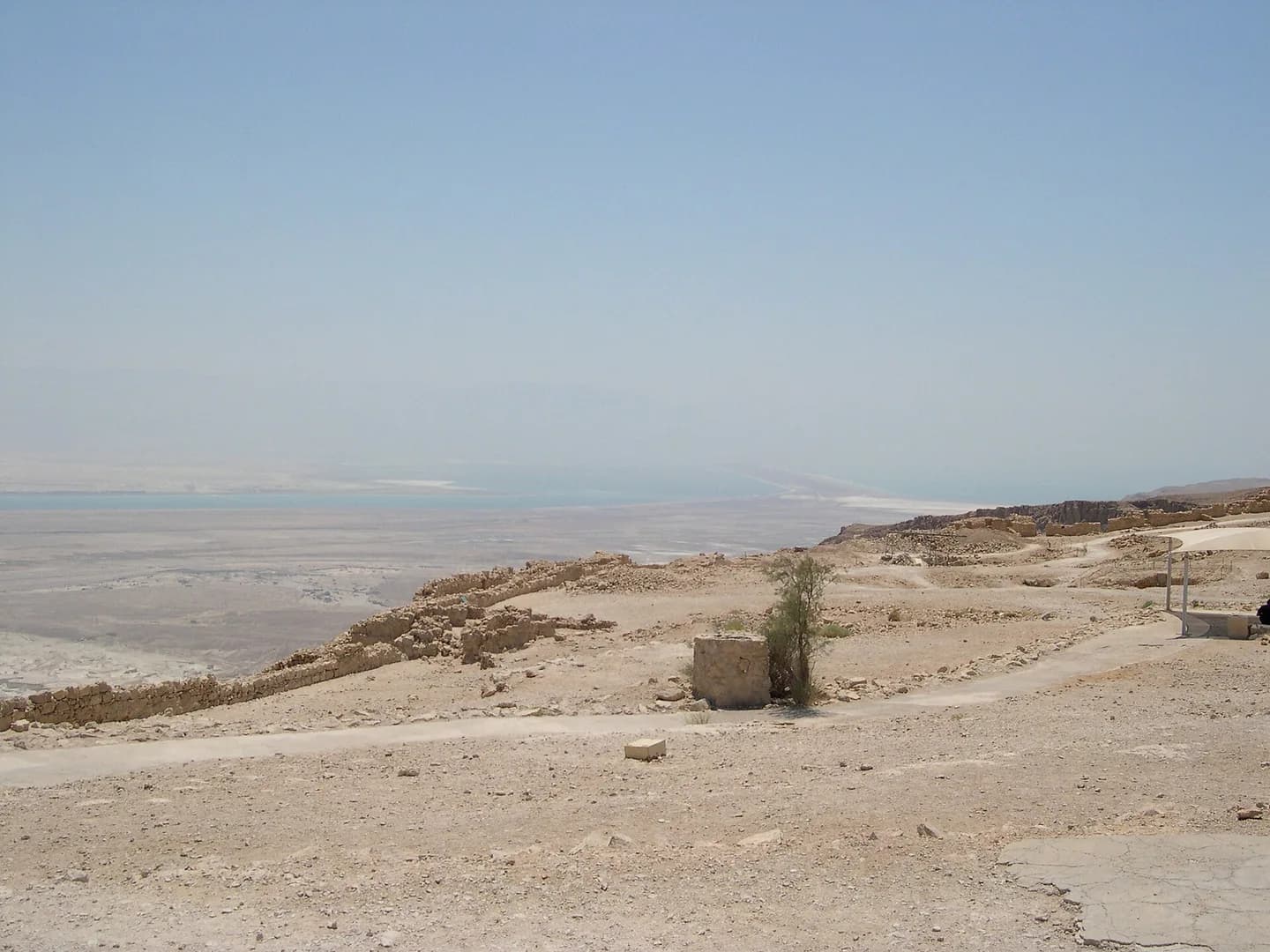
Masada is the reason most people make this trip. King Herod built a palace-fortress on the isolated plateau above the Dead Sea, and the site is remembered as the last stand of Jewish rebels against Rome; the Nature and Parks Authority describes the surrounding Roman siege works as the most complete found anywhere. It has been a UNESCO World Heritage Site since 2001. There are three ways up. The cable car leaves from the eastern visitor centre and is wheelchair accessible. The Snake Path on the same side is a steep climb of about an hour that opens about an hour before sunrise. The Roman Ramp path on the west side takes about half an hour, but it is reached from Arad rather than from the Dead Sea road. In hot weather the park moves the last ascent on the Snake Path forward to 10, 8 or even 7 a.m., depending on the heat, so if you want to walk up, make Masada your first stop and arrive before first light. The Masada Museum at the visitor centre, with finds from the excavations, is entered by reservation.
Day 1, morning: Ein Gedi
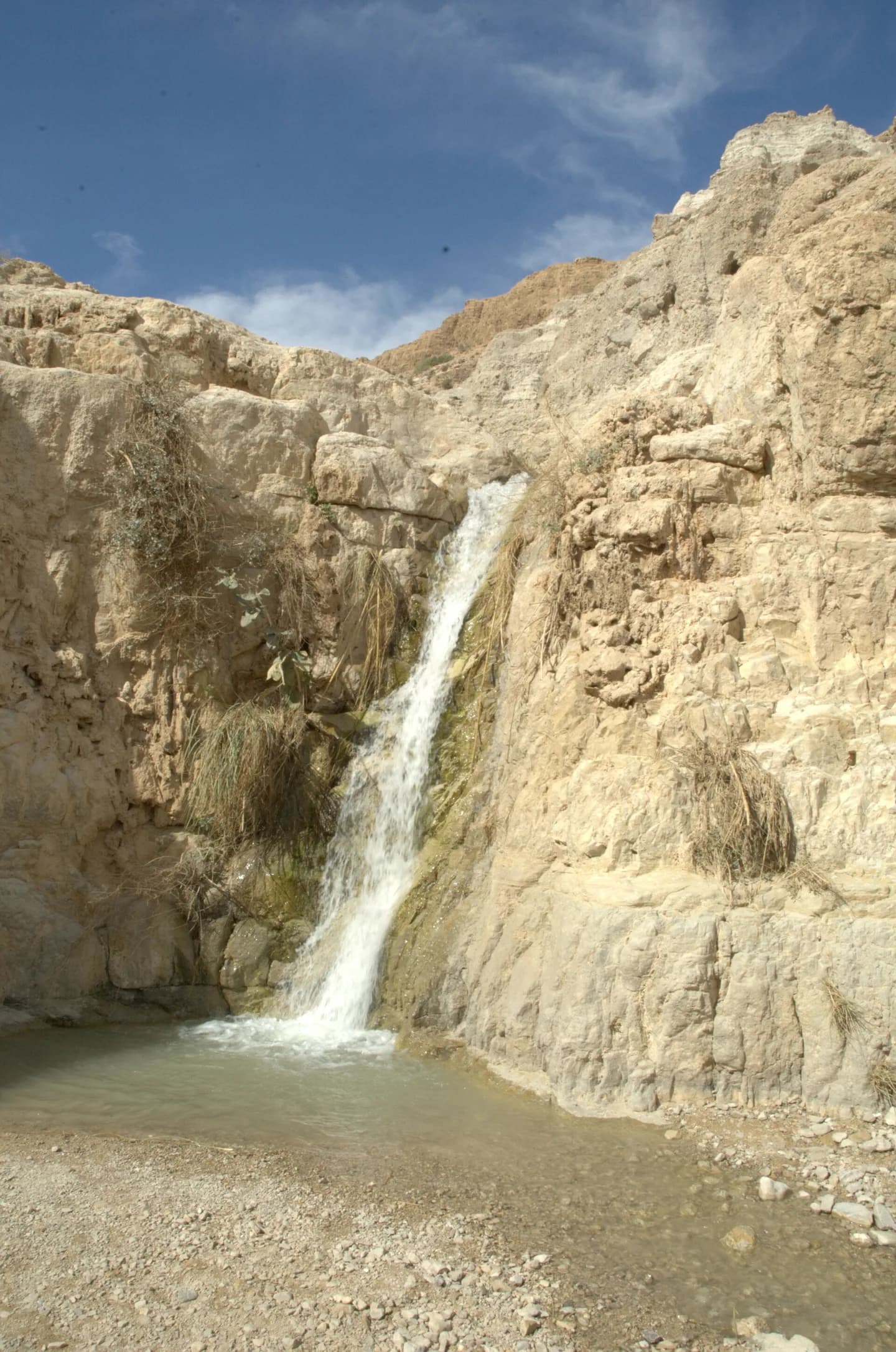
Ein Gedi Nature Reserve, about 20 minutes north of Masada, brings fresh water into the desert: springs, streams and waterfalls in two canyons, Nahal David and Nahal Arugot, each with its own entrance. Entry is by advance registration for each site separately, so book the canyon you want before you set out. Nahal David is the shorter route to the waterfalls and has a wheelchair-accessible trail of about half a kilometre with viewpoints; ibex and rock hyrax are often seen near its shaded acacias. The full Nahal Arugot route to the Hidden Waterfall was changed after floods and is now meant for experienced hikers. The reserve stops admitting visitors an hour before closing, and some longer routes stop much earlier: last entry to the Ein Gedi Spring and David's Cave trail is at 10 a.m. If you are taking the cable car at Masada, you can reverse the order and visit Ein Gedi when it opens in the morning. Next to the reserve, the ancient synagogue site has paved, shaded paths.
Day 1, afternoon: float at Ein Bokek
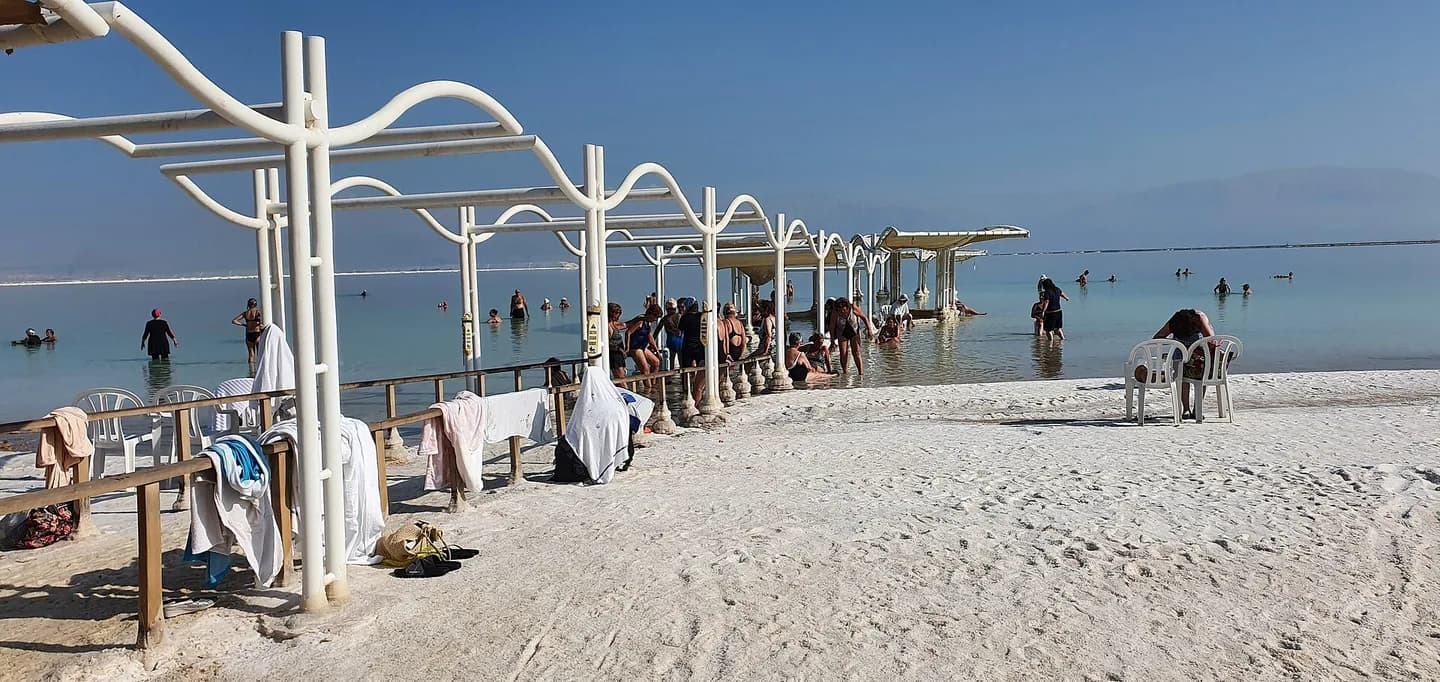
About 15 minutes south of Masada, Ein Bokek is the hotel strip on the Dead Sea shore and the simplest place for a first float. According to the regional tourism site, the beaches next to the hotels have organised services – lifeguards, showers, toilets and changing rooms – and the central beach has lawns and shade structures. The shore lies more than 400 metres below sea level, the lowest place on land, and the water is so salty that you float without effort. Treat it with care: wade in, sit back and float on your back rather than swimming on your front; keep the water away from your eyes and mouth, because it stings and is dangerous to swallow; and rinse off in the beach showers when you come out. Bathe only where a lifeguard is on duty, wear water shoes for the salt crystals underfoot, and expect any small cut to sting. Hotel day passes and spa access vary from hotel to hotel, so ask before you go.
Day 2: down the Arava to Timna Park
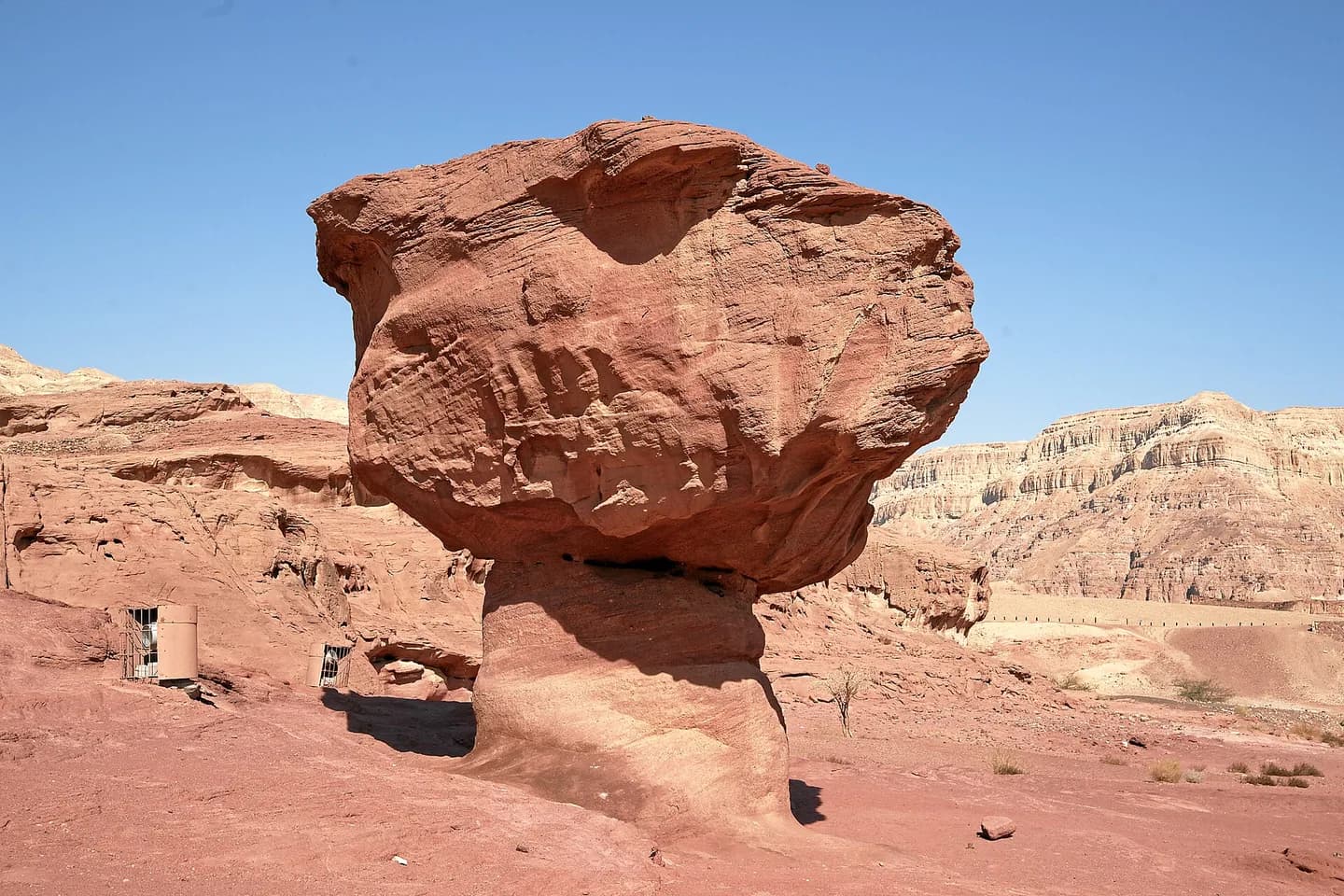
From Ein Bokek, the road south runs through the Arava valley to Eilat, about three hours' drive. Break the journey at Timna Park, around 20 minutes before Eilat on Route 90. Eilat's official tourism site describes a desert valley of red sandstone with an ancient history of copper mining: Solomon's Pillars, naturally formed pillars about 40 metres high with an engraving of the Egyptian goddess Hathor and her temple nearby; rock engravings of chariots from the 14th to 12th centuries BCE; sandstone arches and an underground mine; the Mushroom, a sandstone formation in a valley that was once an Egyptian copper-working camp; and a lake with pedal boats, where swimming is not allowed. The climb to Solomon's Pillars takes about 15 minutes. The park is open and exposed, so arrive in the morning, carry water and keep the walks short in summer. You will reach Eilat in time for an afternoon by the Red Sea.
Or take the high road: Makhtesh Ramon

For a different second day, leave the Dead Sea road and climb west into the Negev highlands to Mitzpe Ramon, a town on the rim of Makhtesh Ramon, around an hour and a half from Ein Bokek. At 40 kilometres long, it is the largest of the Negev's makhteshim – vast basins carved by erosion, not volcanic craters. The visitor centre on the rim, off Route 40, has an observation platform and an exhibition on the life of the Israeli astronaut Ilan Ramon; entry is by reservation. Viewpoints along the rim show the scale of the landscape without a long hike. From Mitzpe Ramon, Route 40 continues south to join the Arava road and reaches Eilat in about two more hours, so this version makes a longer day through a very different desert.
YOUR HOTEL BASE
Connect your stay with your visit
Jerusalem is the usual starting point and the nearest base in our hotel directory. Choose a hotel where an early taxi or a tour pick-up is easy to arrange, and ask about an early breakfast to take with you. For the night in between, Ein Bokek's hotels put you by the water for an evening float, and Mitzpe Ramon suits the high-road version; our directory does not cover either yet, so compare them on a booking site and check what beach or spa access is included. In Eilat, our hotel guides cover the North Beach and Coral Beach areas, with rooms, facilities and locations checked against official sources.
LOCATION, THEN THE JOURNEY
Compare the route from your hotel
The map locates the named place. Confirm the actual entrance, steps, crossings and site instructions; an automated route does not guarantee entry or accessibility. The external map loads when you choose to show it.
Make the plan yours
Fix three things in advance: your Masada ascent and any museum or sunrise booking, your Ein Gedi registration, and where you will sleep on the first night. Carry more water than you think you need, wear a hat, and keep the hottest hours for the car, a museum or the beach rather than another trail. If you only have one day, Masada, Ein Gedi and an afternoon float at Ein Bokek make a complete trip from Jerusalem.
Plan your visit →