
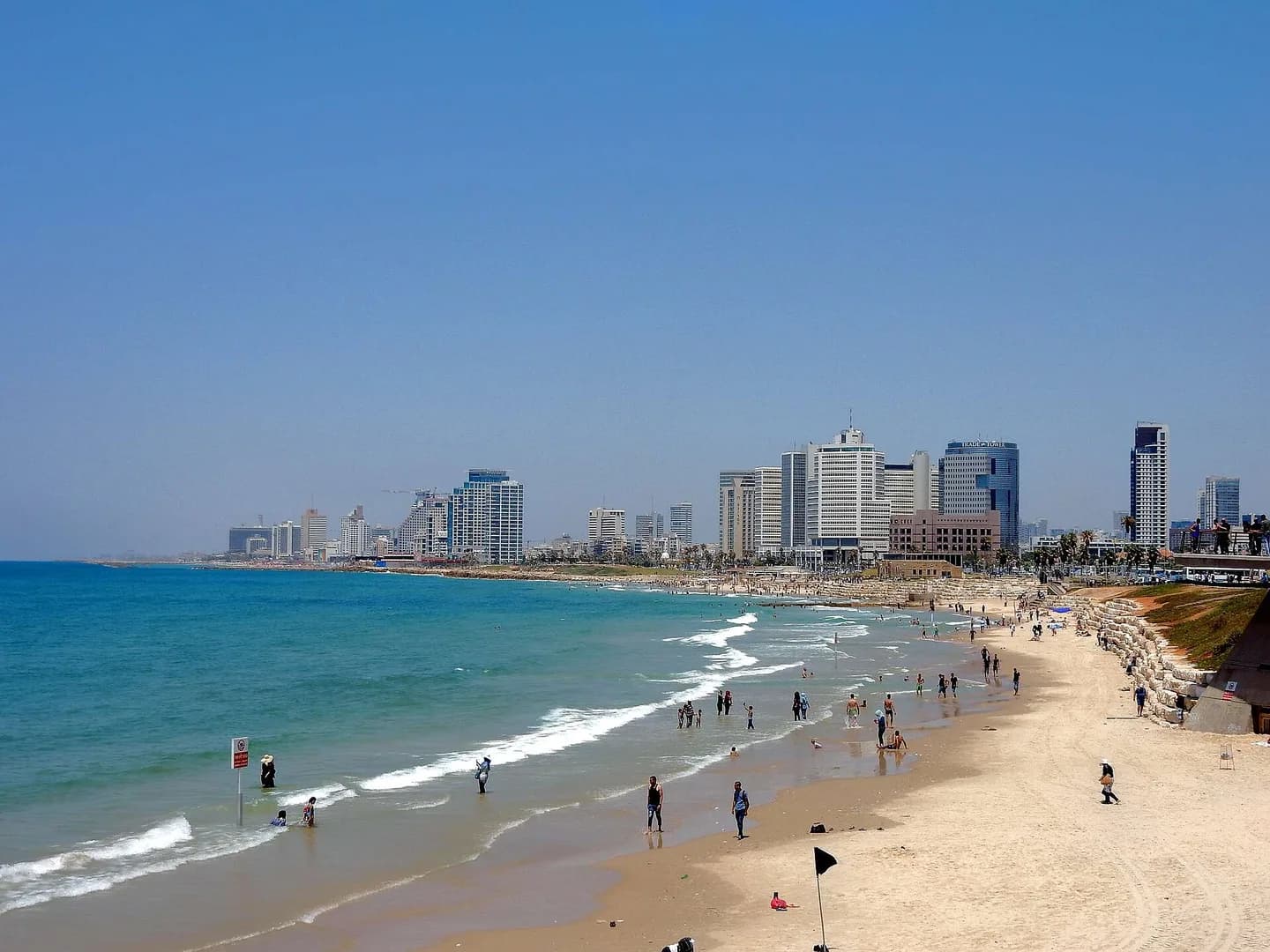
The Mediterranean promenade
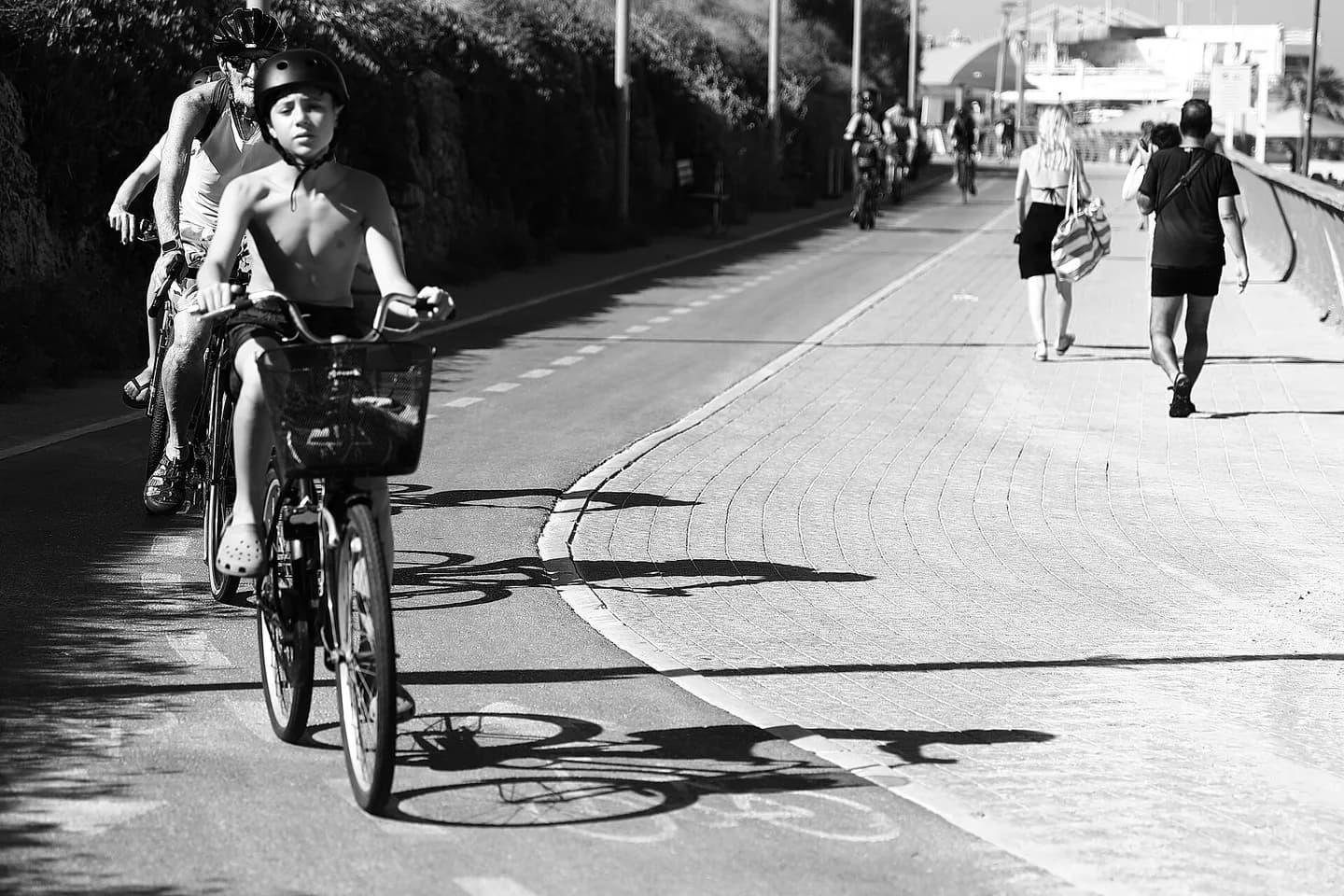
Start with the sea to understand the shape of the city. The promenade links beach neighbourhoods and gives a first-time visitor an easy outdoor introduction before entering the street grid. Choose a short stretch near your hotel, then extend it towards Jaffa or the northern beaches on another day. A walk along the water and a swim are separate plans: use an authorised swimming beach and follow its posted conditions.
Jaffa Clock Tower Square
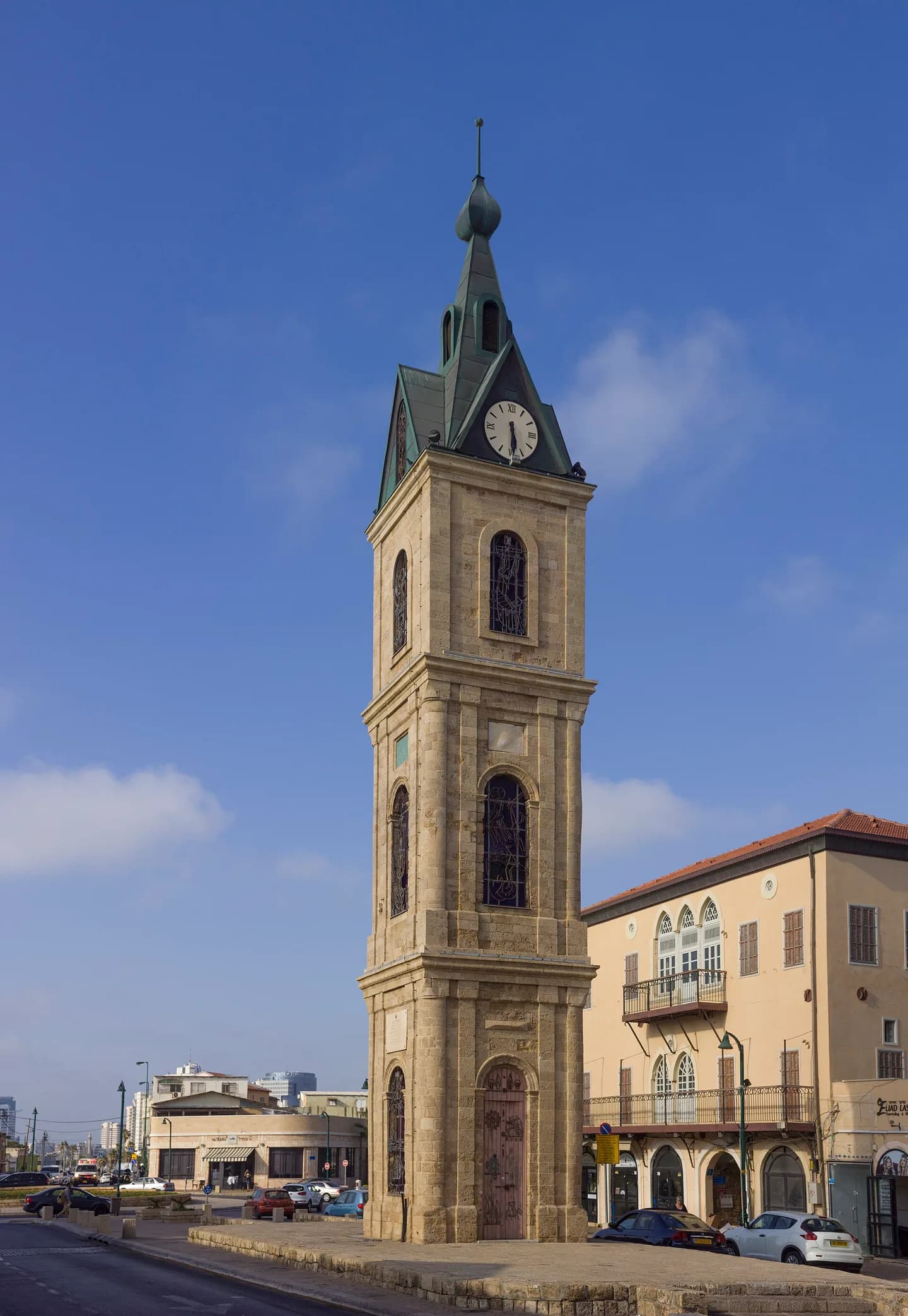
Use the Clock Tower as the meeting point for a Jaffa day. From here the port, the old hill and the Flea Market lead in different directions, so decide which comes first rather than following every turn. This is a useful orientation stop for travellers staying at The Setai. The busy streets around the square require proper crossings; hotel proximity does not remove the need to check the actual walking route.
Jaffa Port
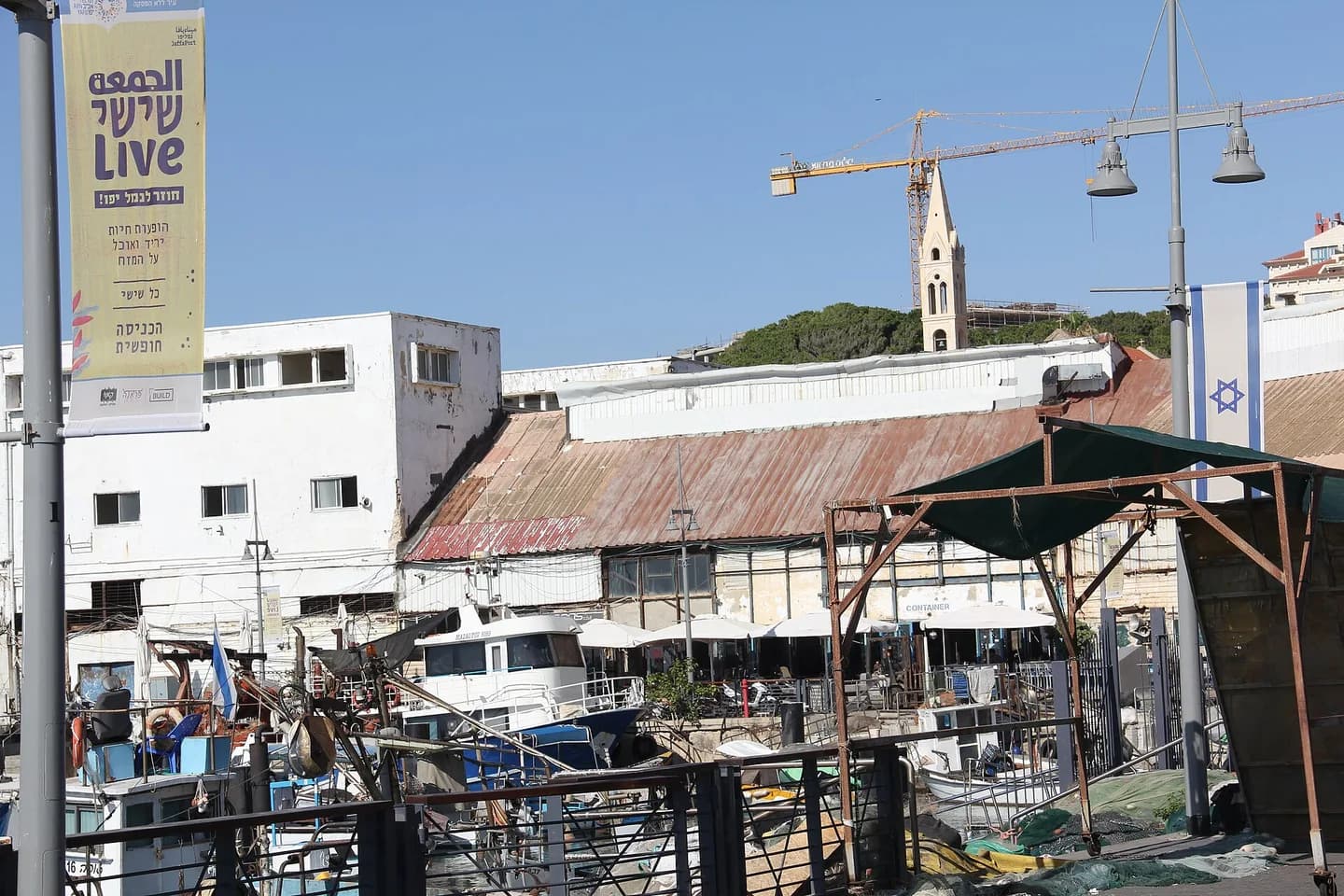
Go down to the working harbour for boats, waterfront views and a different perspective on the old town above. It is a good place to leave room in the schedule instead of treating the whole visit as a museum circuit. Pair it with the hilltop lanes; check gradients on the route back. Restaurant openings and boat departures belong to individual operators and should be checked before building the day around them.
Old Jaffa’s lanes
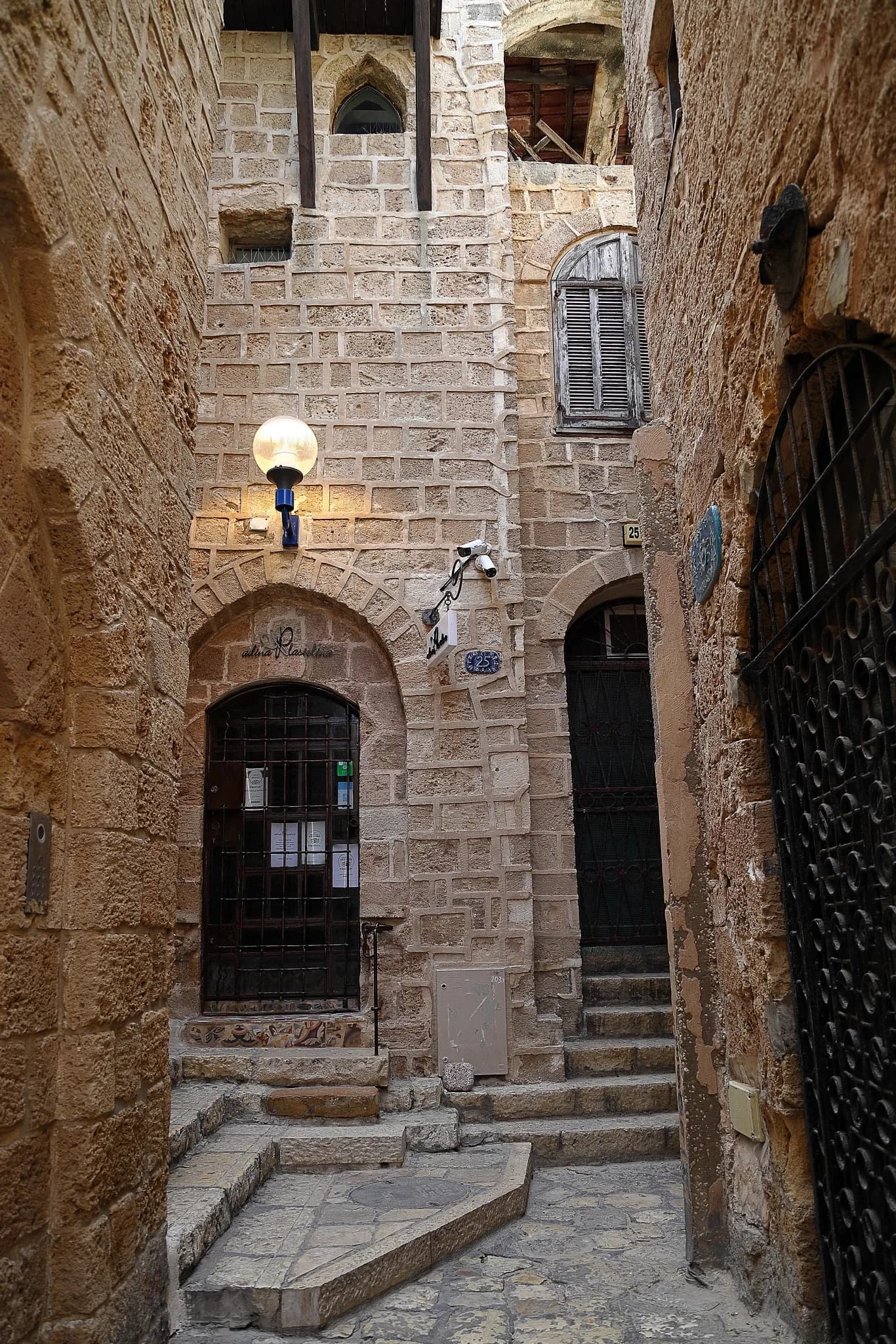
The stone lanes reward a slower visit: small squares, passages and glimpses of the sea are more interesting when you stop looking for the next landmark. Wear shoes suited to uneven paving and leave space for stairs. The Jaffa hotel is a practical location to compare if this district is the focus of the trip; an accessible room there does not establish that every nearby lane is accessible.
Jaffa Flea Market
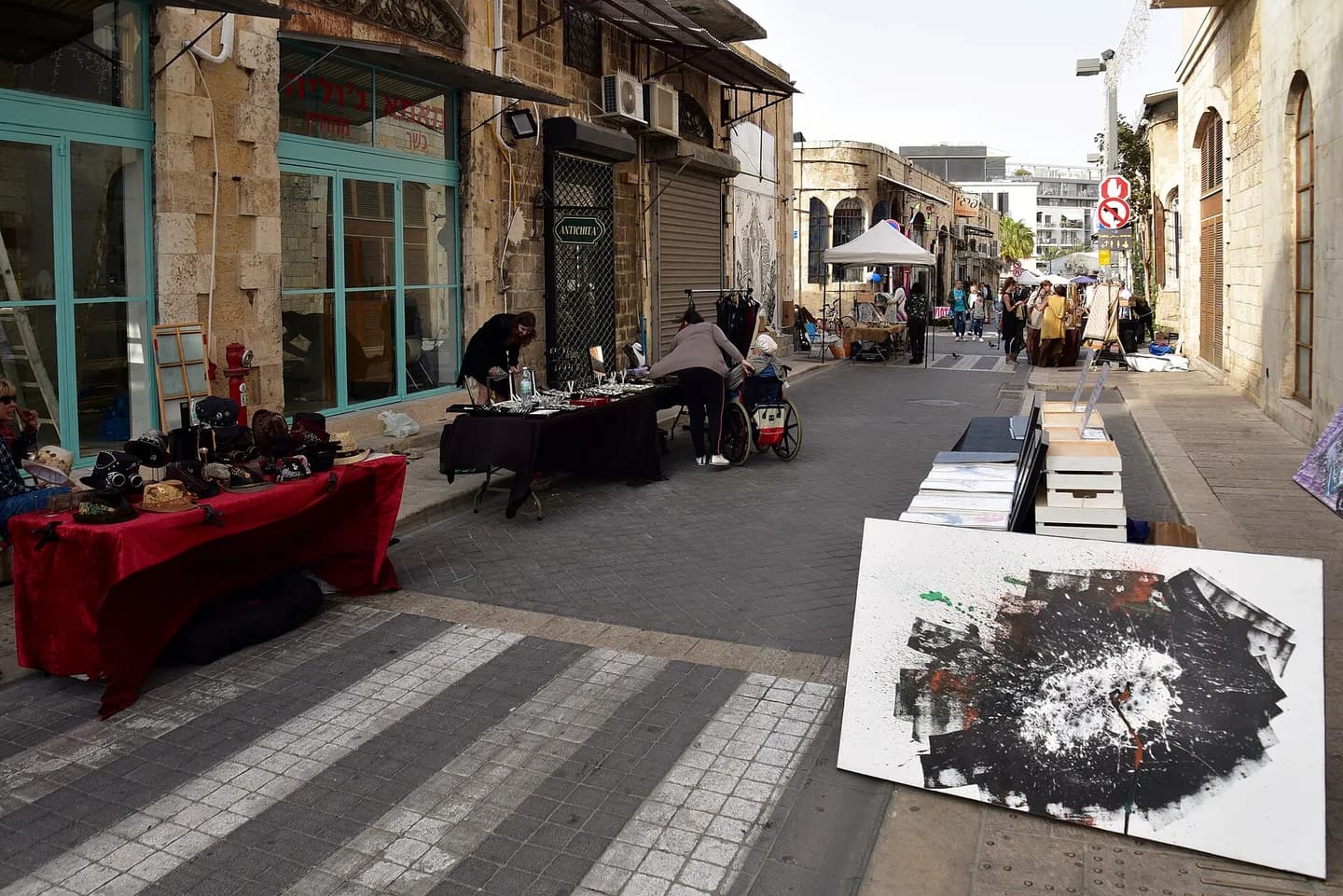
Make this a browsing stop, not a promise that every shop will be open when you arrive. The market streets mix antiques, design, cafés and everyday neighbourhood life. If buying is the priority, check the relevant shop directly; if atmosphere is the priority, combine the area with the Clock Tower and a meal. Keep room for an unplanned find, and agree on prices before purchasing.
St Peter’s Church
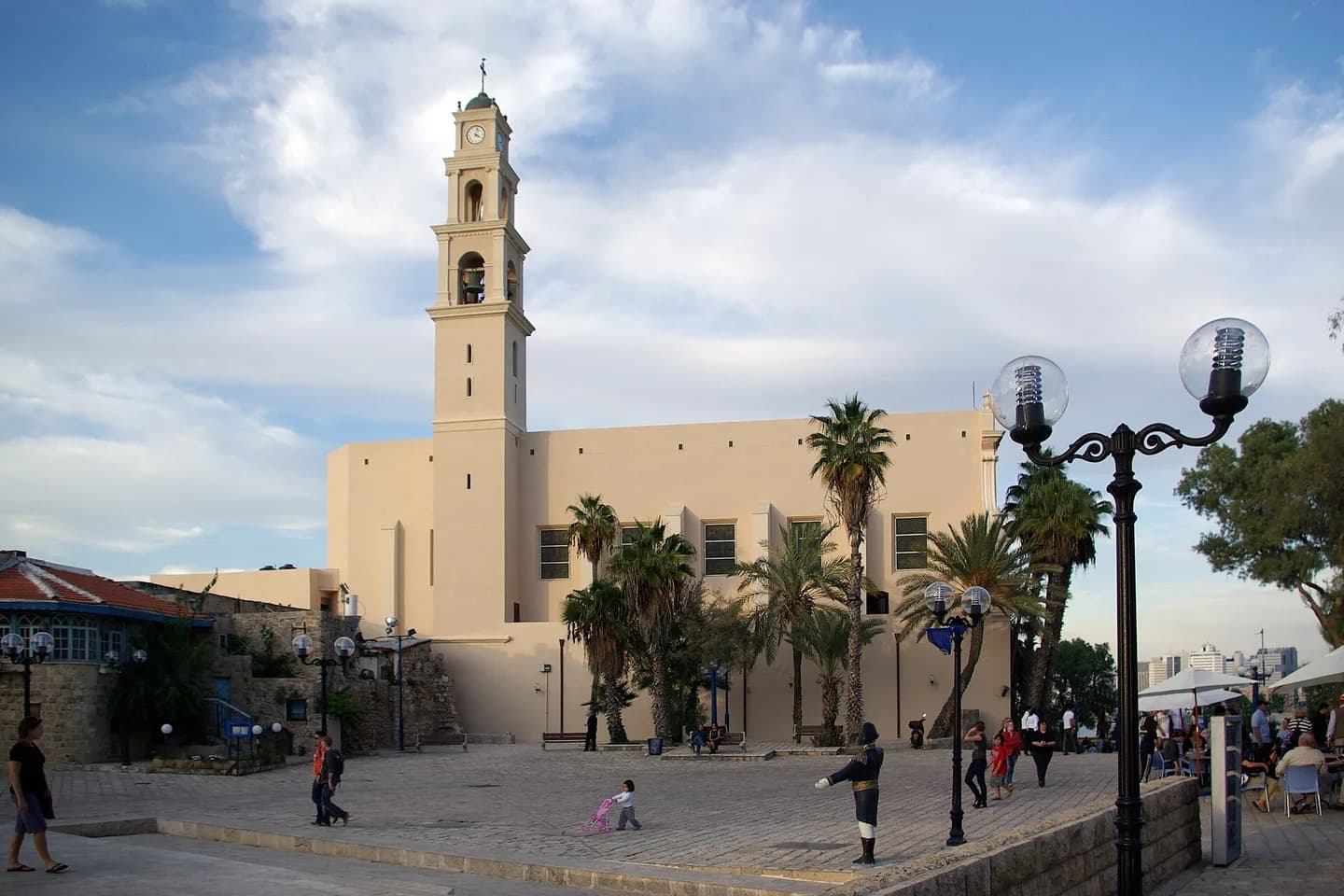
This Franciscan church belongs in a Jaffa visit for its religious significance and its setting above the harbour. A sightseeing opening is not the same as a Mass or a service in your language. Worshippers should use the sanctuary’s own information and confirm the current service before planning hotel departures. Other visitors should respect prayer, photography restrictions and the areas open to them.
Mahmoudiya Mosque
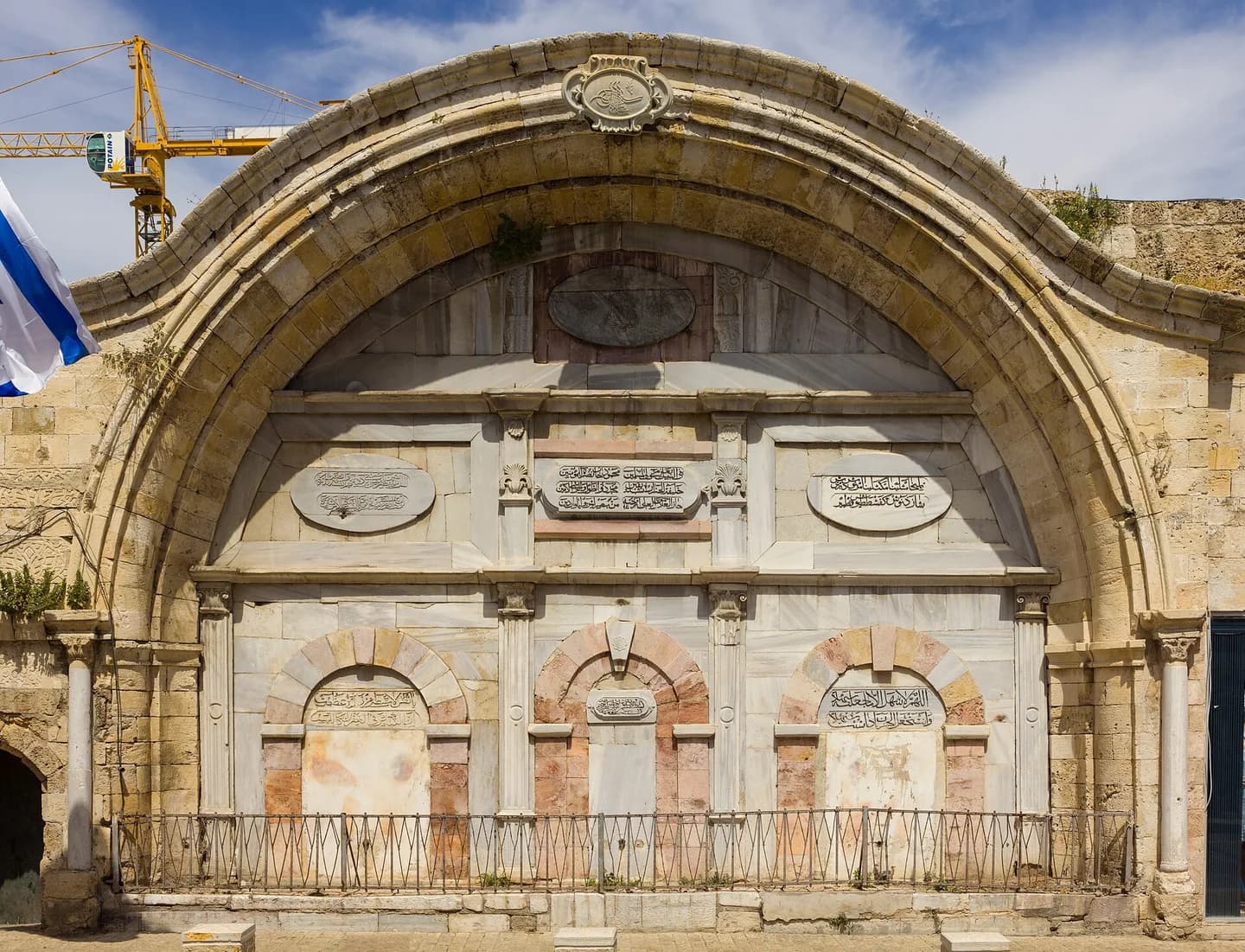
Around the Clock Tower, Mahmoudiya adds an important Muslim landmark to the Jaffa story. The municipal walking guide distinguishes the western entrance from the ornamental gate, which is a useful reminder to navigate to an entrance rather than a building’s centre. Current prayer access must be confirmed with the mosque. Include it as a heritage stop from outside if you have no confirmed permission to enter.
Neve Tzedek
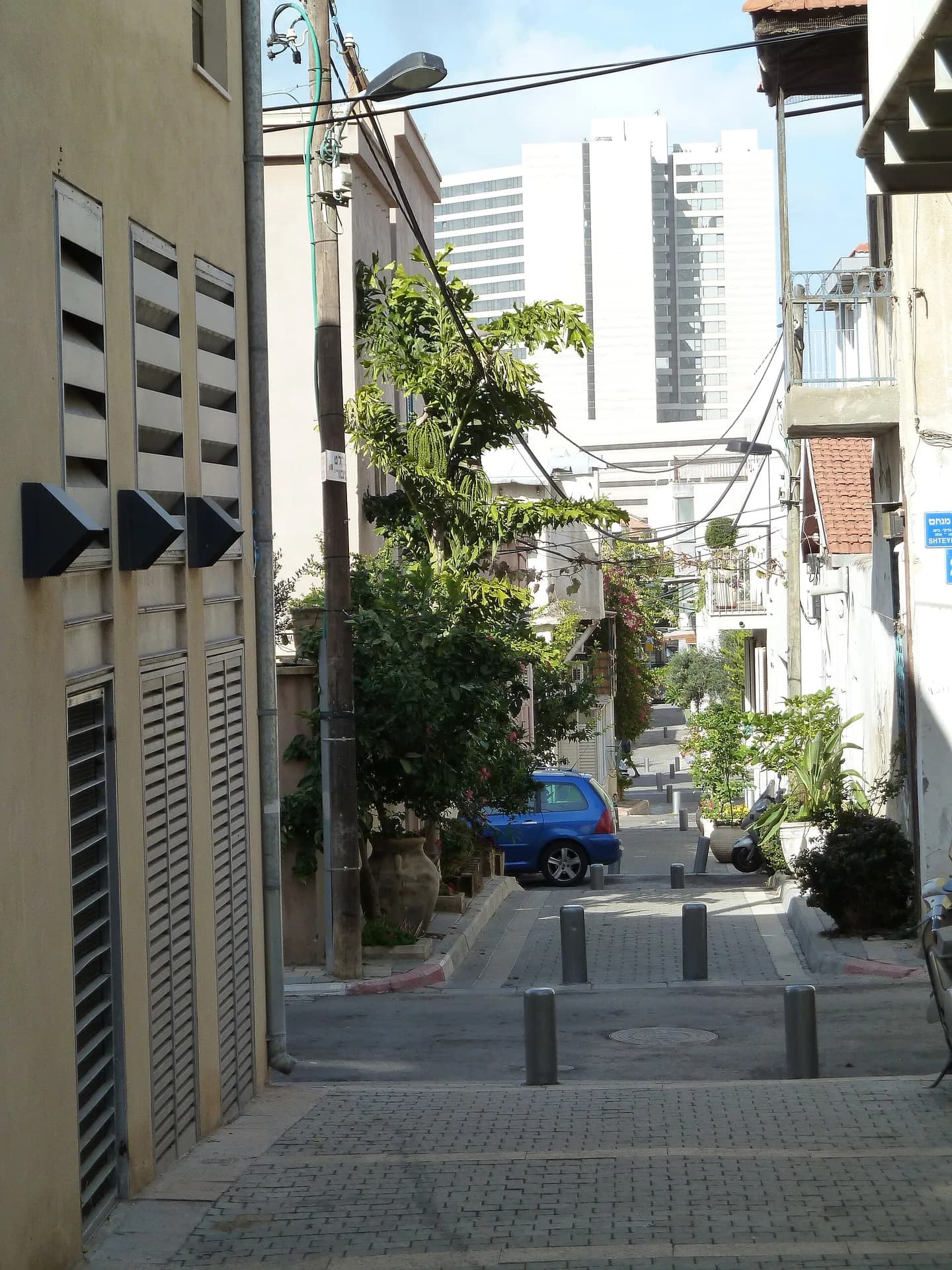
Set aside a neighbourhood walk rather than a single photo stop. Smaller streets, cafés and cultural buildings offer a useful contrast to the beachfront towers. This area combines well with southern promenade hotels and a separate Jaffa day. Check individual galleries before making them the reason for visiting, and allow time to pause rather than racing through the neighbourhood on the way to somewhere else.
Suzanne Dellal Centre
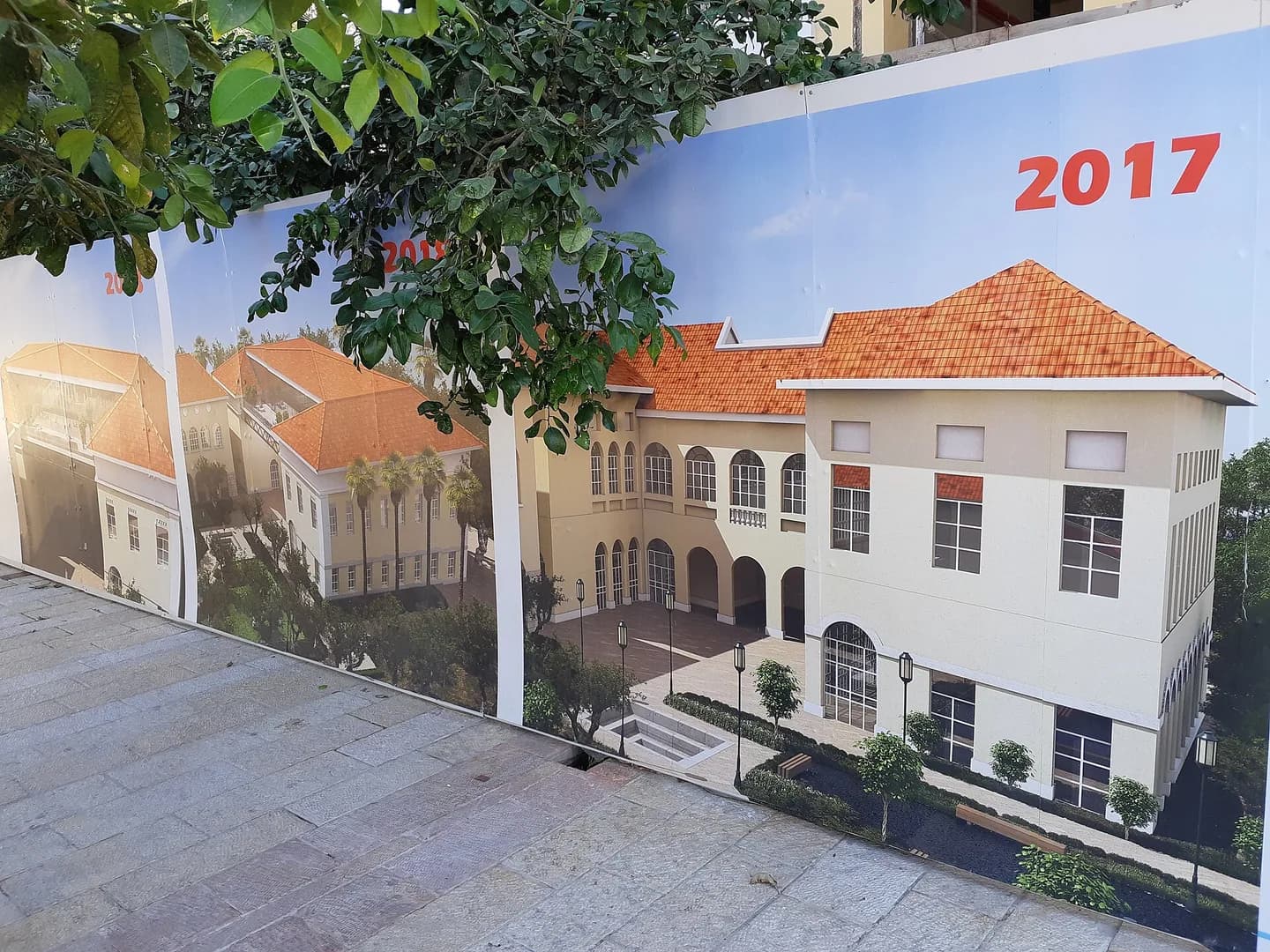
The centre gives Neve Tzedek a cultural anchor. Visit the surrounding square during a neighbourhood walk, or choose a performance from the official programme and build dinner around its start time. A courtyard visit does not include a ticket to a show. For an evening performance, confirm the venue and language requirements before booking; dance can be a useful choice when you prefer a programme less dependent on spoken dialogue.
Carmel Market
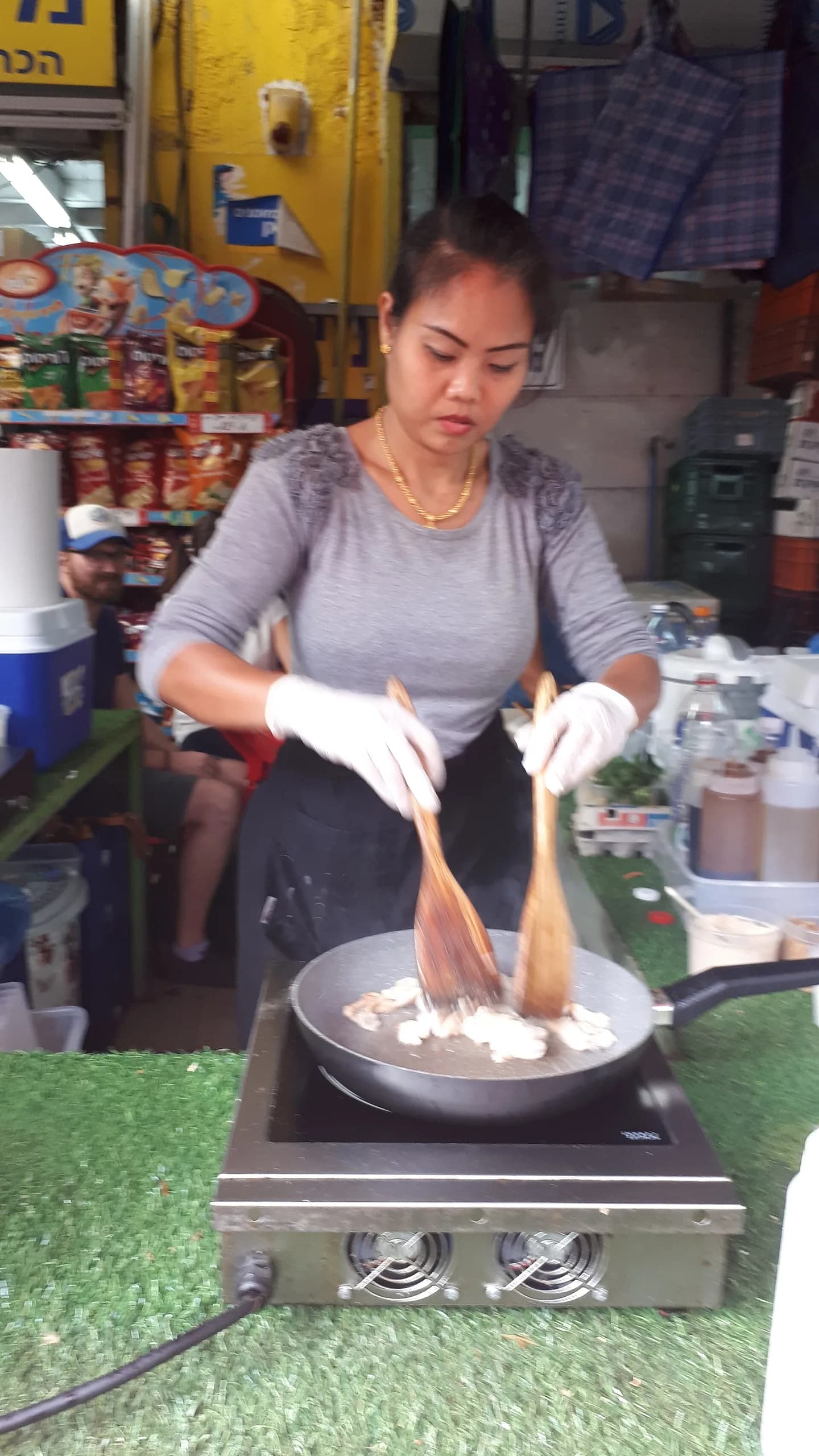
Choose this for a market morning and leave your itinerary loose enough to stop at stalls. Browse the produce and food streets, then continue towards nearby central neighbourhoods instead of returning across town between every stop. Opening patterns vary by stall and holiday. Travellers with allergies or religious dietary requirements should ask about the specific ingredients and preparation, rather than relying on a market’s overall reputation.
Levinsky Market
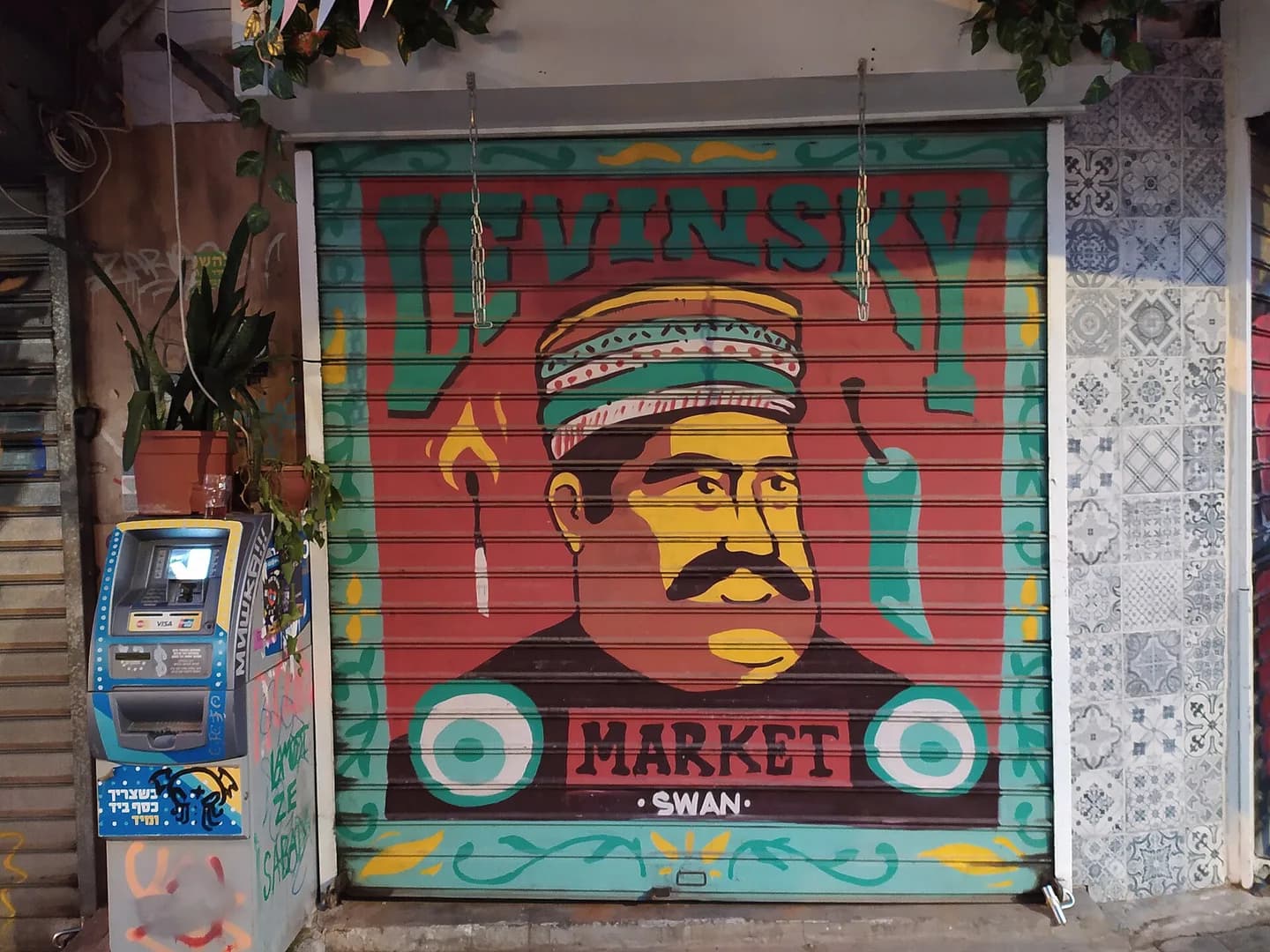
Levinsky is a different food district from Carmel and deserves its own stop. Use it for small shops, spices and a meal in southern Tel Aviv; it fits especially well into a day around Florentin. Pick a few things you genuinely want to taste instead of buying a preset list. Check the chosen shop’s current hours and how food will travel if you plan to take purchases home.
Rothschild Boulevard
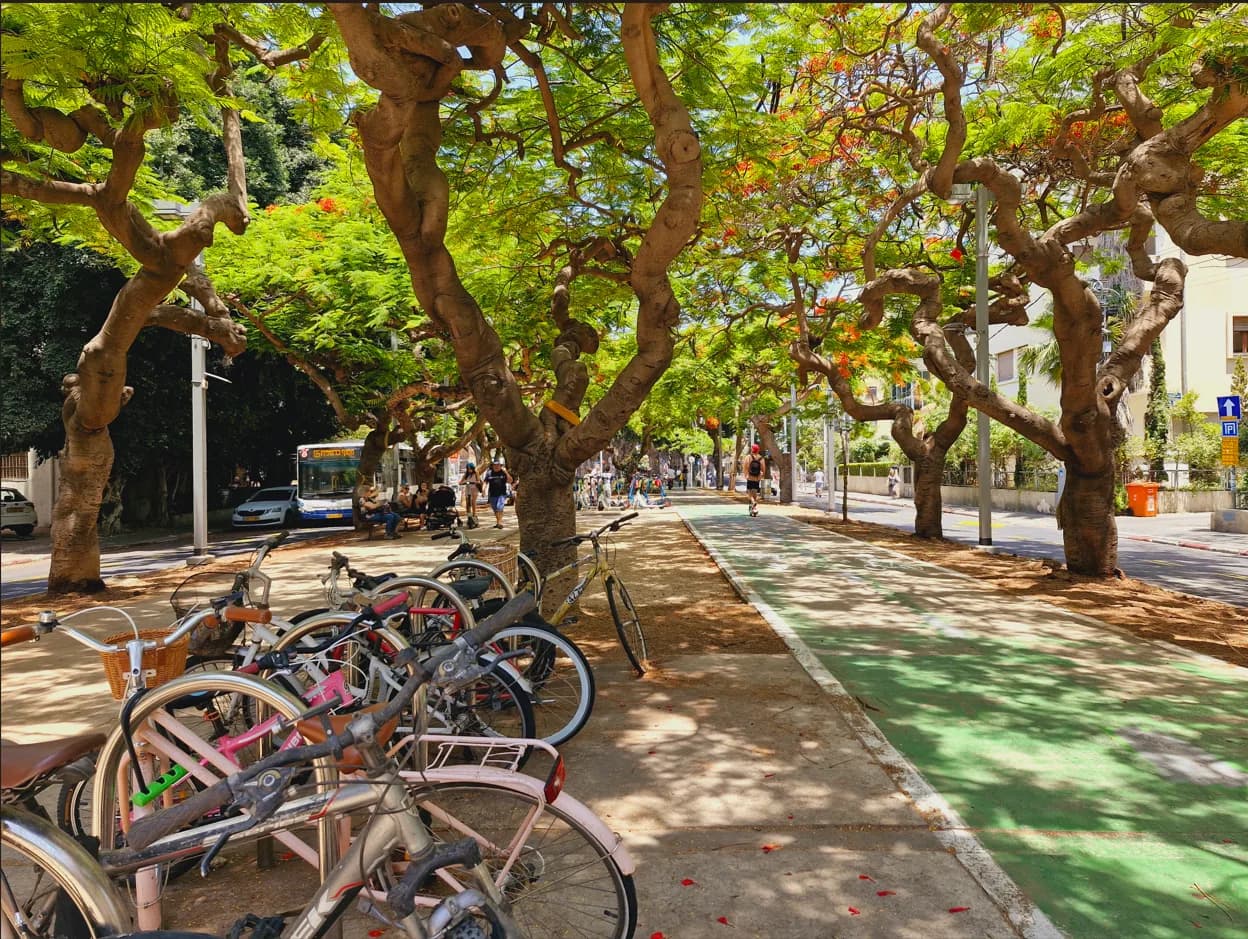
The boulevard makes a useful central spine for a first visit: architecture, street life and the city’s early history meet along it. Walk one section deliberately and notice the buildings rather than using the whole street as a shortcut. The Norman is a hotel to compare for this side of the city. Museum interiors and the Independence Trail’s visitor information have separate opening arrangements; an outdoor walk needs less advance planning.
Liebling House and the White City
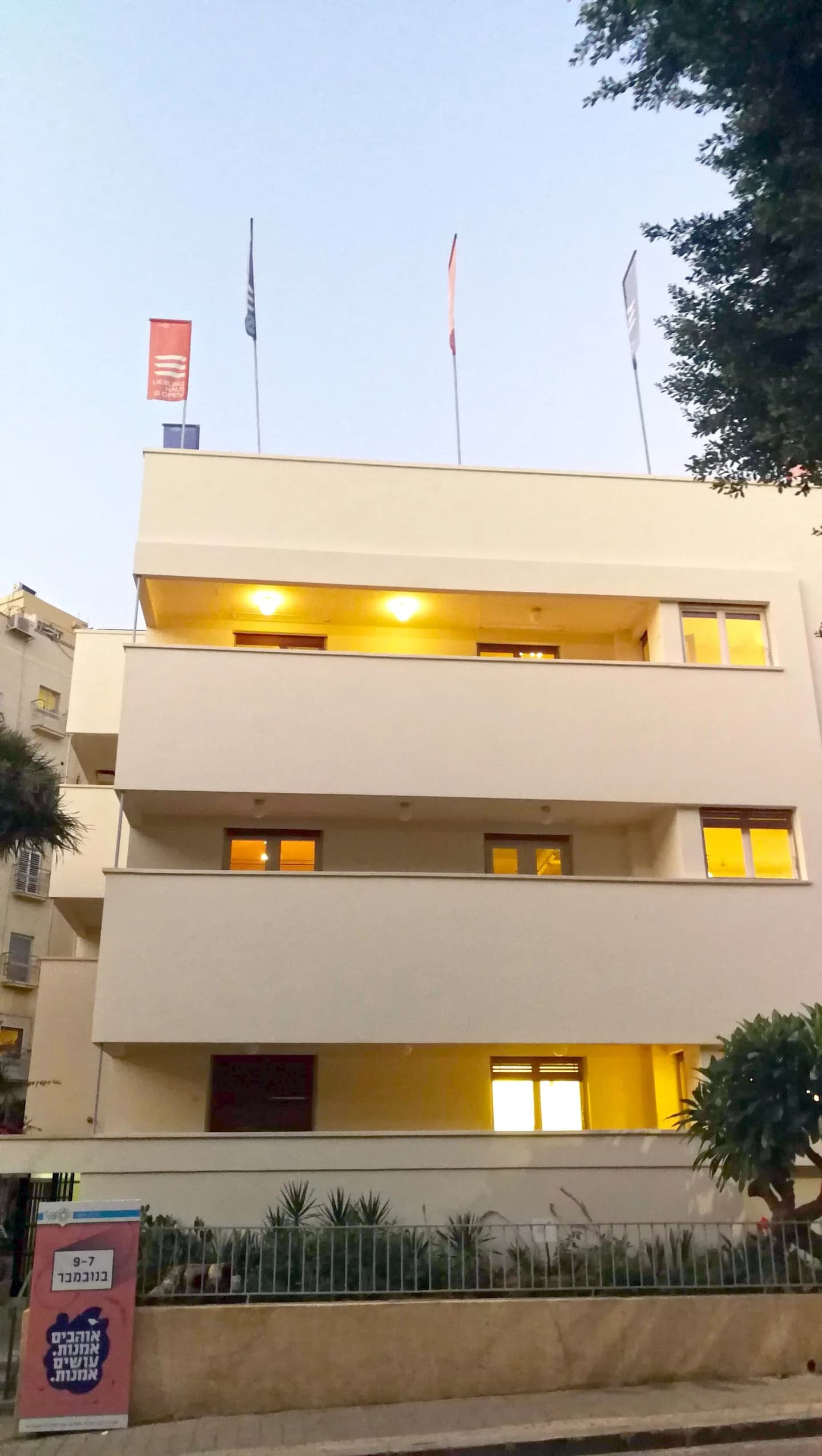
For the architecture to make sense, add the White City Centre rather than only photographing white façades. Liebling House focuses on modern architecture, conservation and the city around it. Check the current exhibitions and visitor information with the centre. Combine this stop with Bialik Square or a shorter architecture walk; public interpretation is different from permission to enter neighbouring residential buildings.
Bialik Square
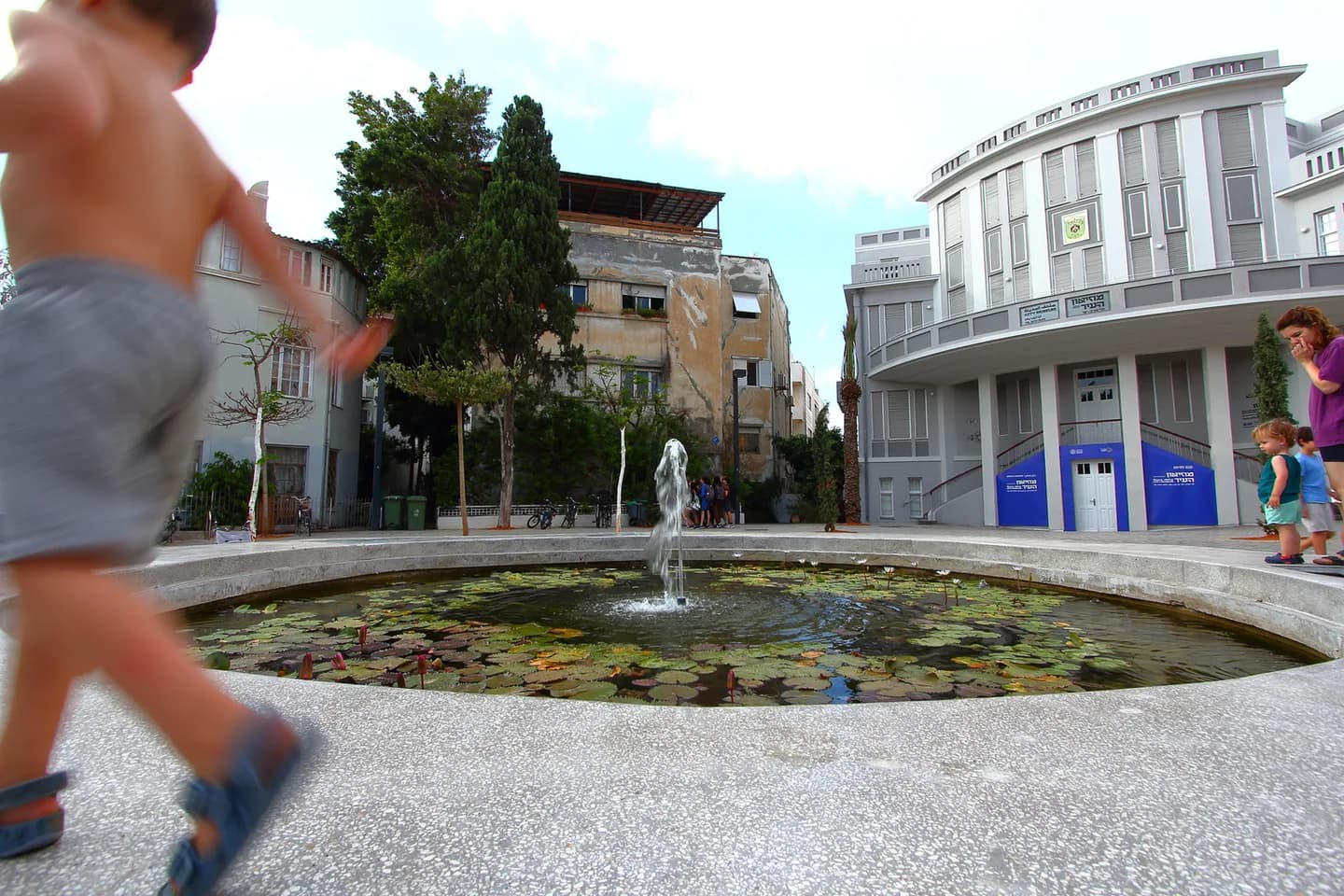
This is a compact cultural area rather than a single attraction. The municipality groups the city museum, Bialik House, Liebling House and other cultural institutions around the square. Choose the museum that matches your interests and keep the rest as an outdoor walk. Each institution has its own programme, so do not assume one opening time or one ticket covers all the buildings.
Dizengoff Square
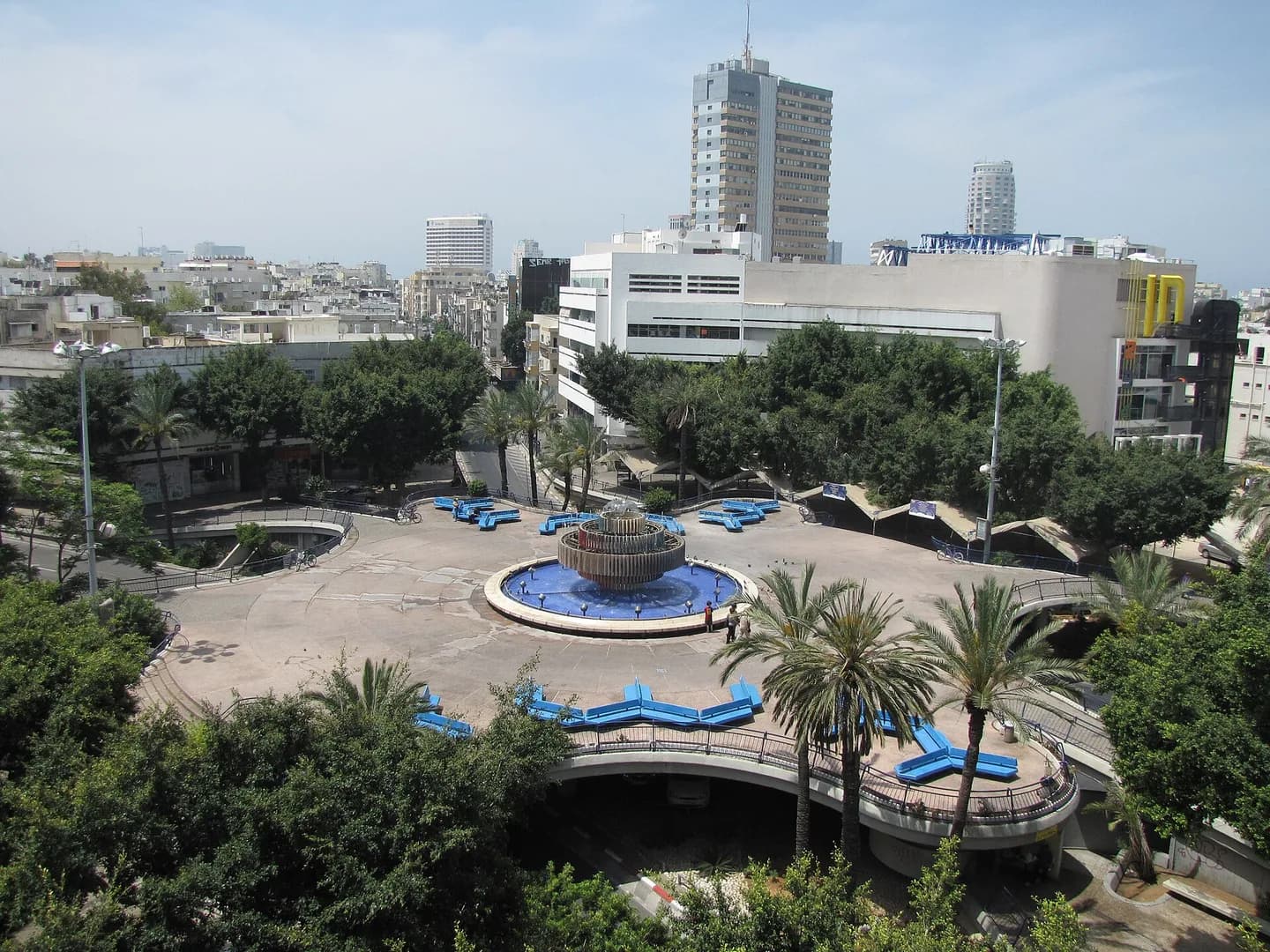
Use the square for a central pause and a chance to watch the city between museum visits or shopping. It works as an orientation point for the streets around it, with the beach as a separate westward leg. If you are staying on the central promenade, compare the route to the square with the route to your other priorities. A lively square can also mean evening noise in nearby accommodation.
Sarona
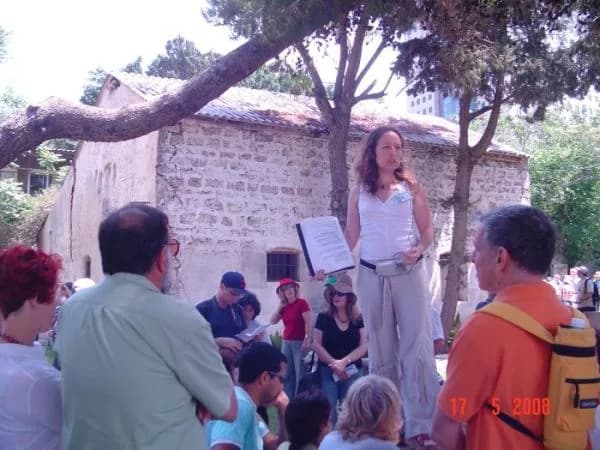
Sarona offers restored historic buildings and a planned urban precinct beside contemporary towers. Keep the outdoor complex and the food market as separate choices: you can enjoy the buildings without turning the whole visit into a shopping session. A guided visitor-centre tour can add historical context; reserve through the official information when required. This district suits a day combining city sightseeing with meetings in the eastern centre.
Tel Aviv Museum of Art
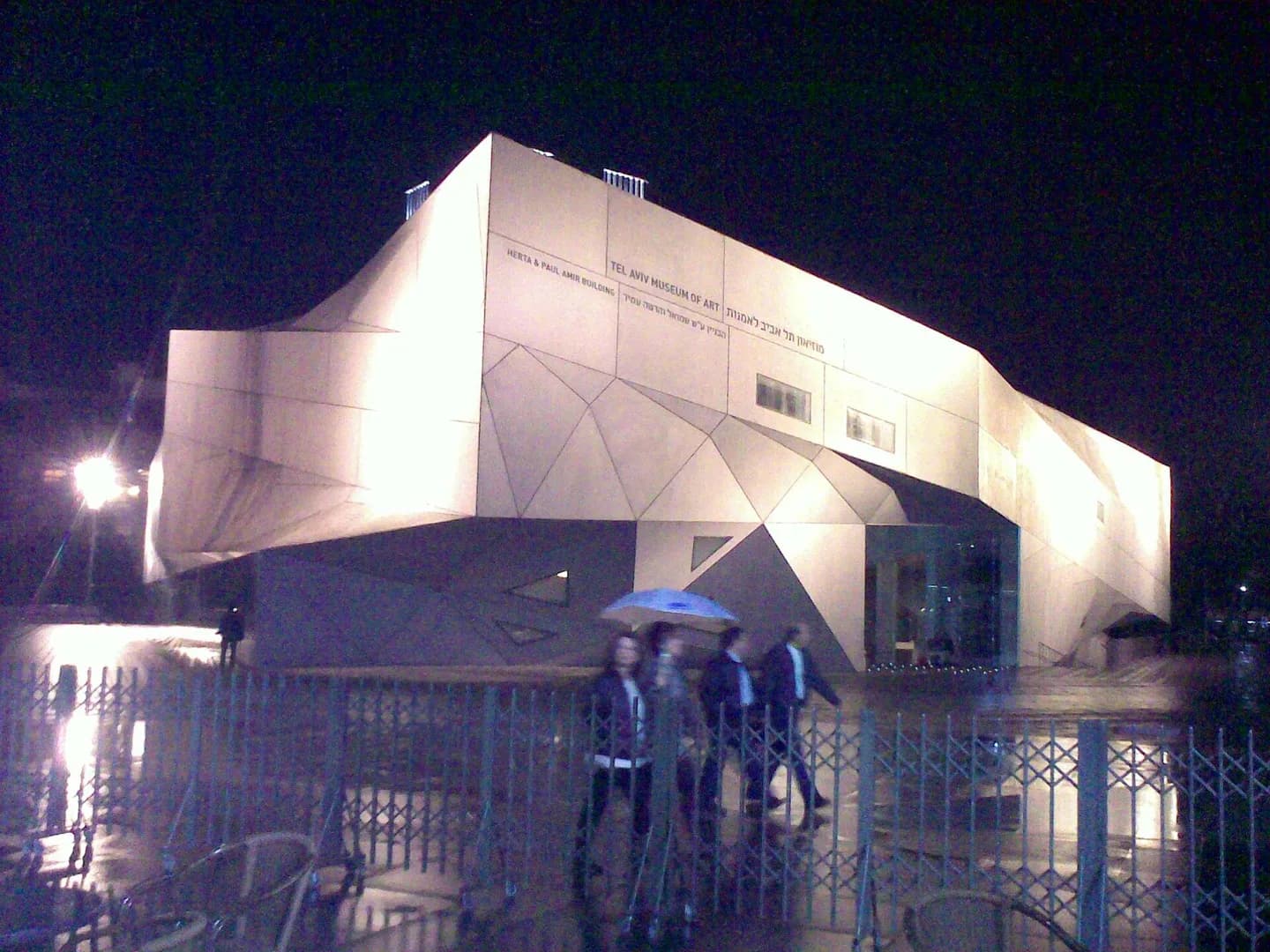
Choose exhibitions before buying a ticket, not just the building you have seen in photographs. The museum gives the trip an indoor cultural component and is a good anchor for a day in the central-eastern city. Check the current programme, entry arrangements and accessibility on the museum’s site. It is more rewarding to leave time for a few galleries than to hurry through every department.
Tel Aviv Port
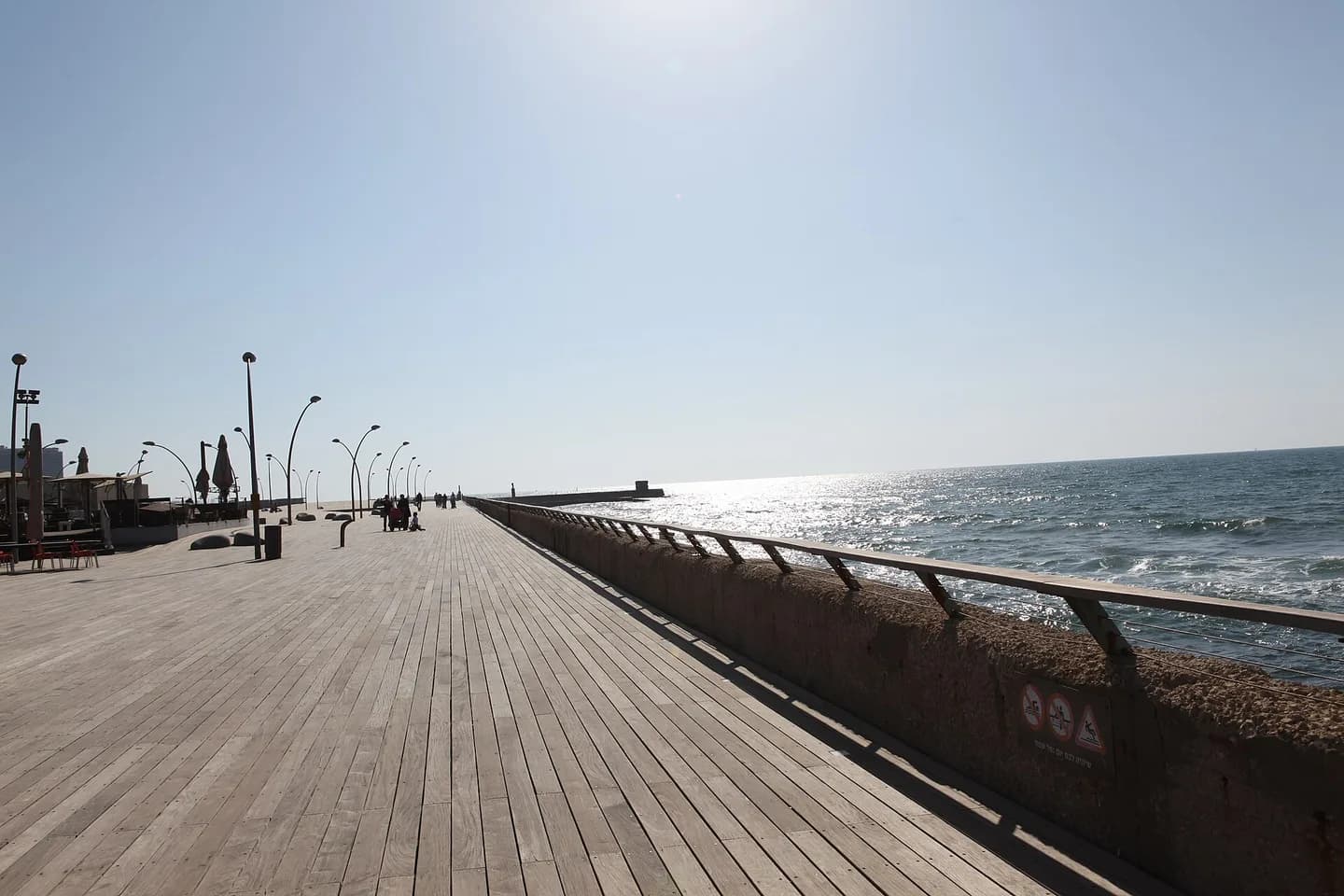
The northern port is distinct from Jaffa’s historic harbour. Its boardwalk and commercial spaces work for a relaxed waterfront outing, especially from northern beachfront hotels. Combine it with a shorter stretch of coast rather than crossing to Jaffa and back for one meal. Confirm any market or event you want to attend, because an open boardwalk does not establish that a specific venue is operating.
Yarkon Park
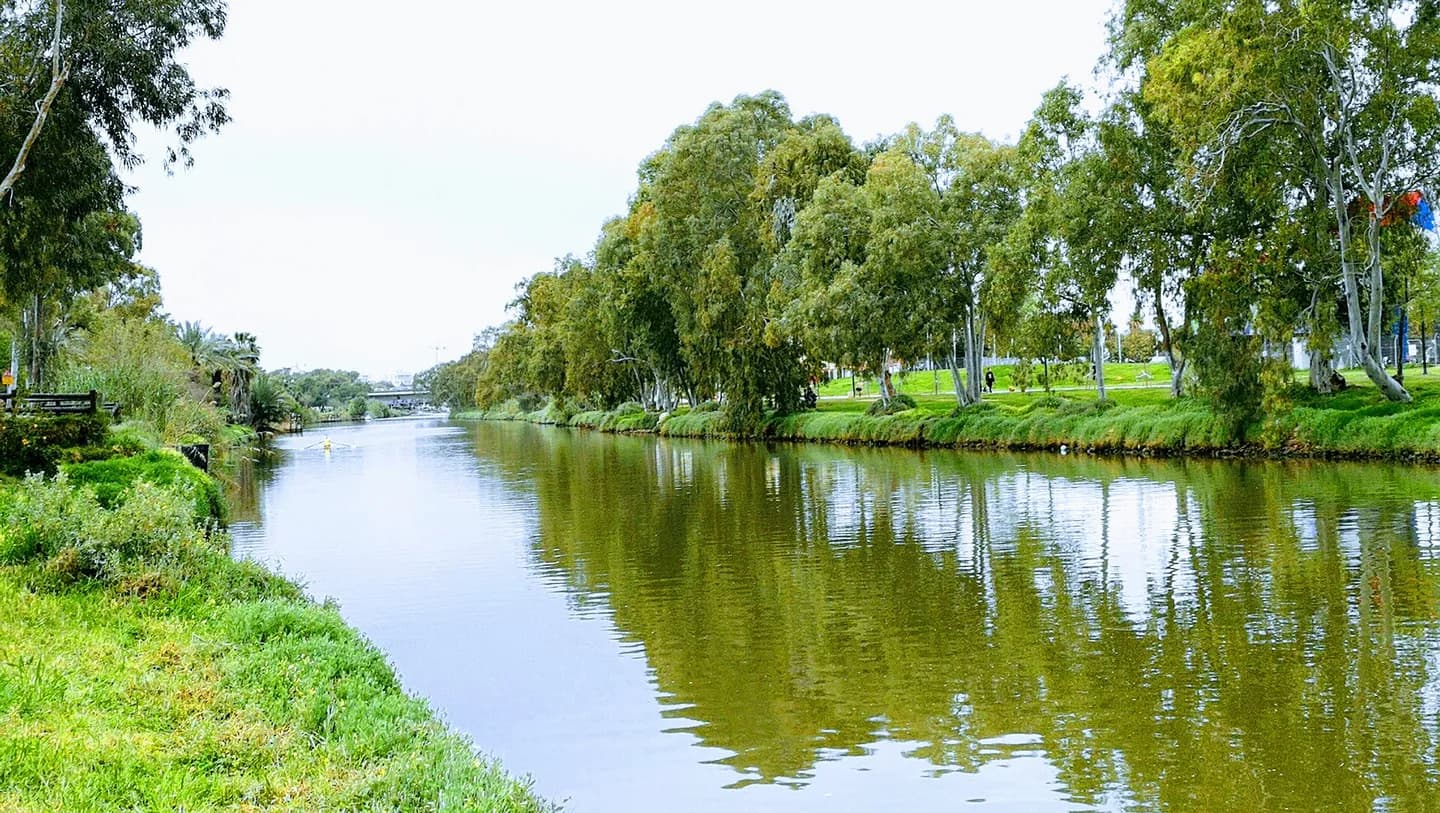
Choose a specific area of this large park before you leave the hotel. A riverside walk, playground visit and activity booking are different outings with different entrances. It is a useful change of pace after dense urban sightseeing, but not a single stop that covers the entire north of the city. Check the operator separately for boat hire, organised activities or events.
MUZA — Eretz Israel Museum
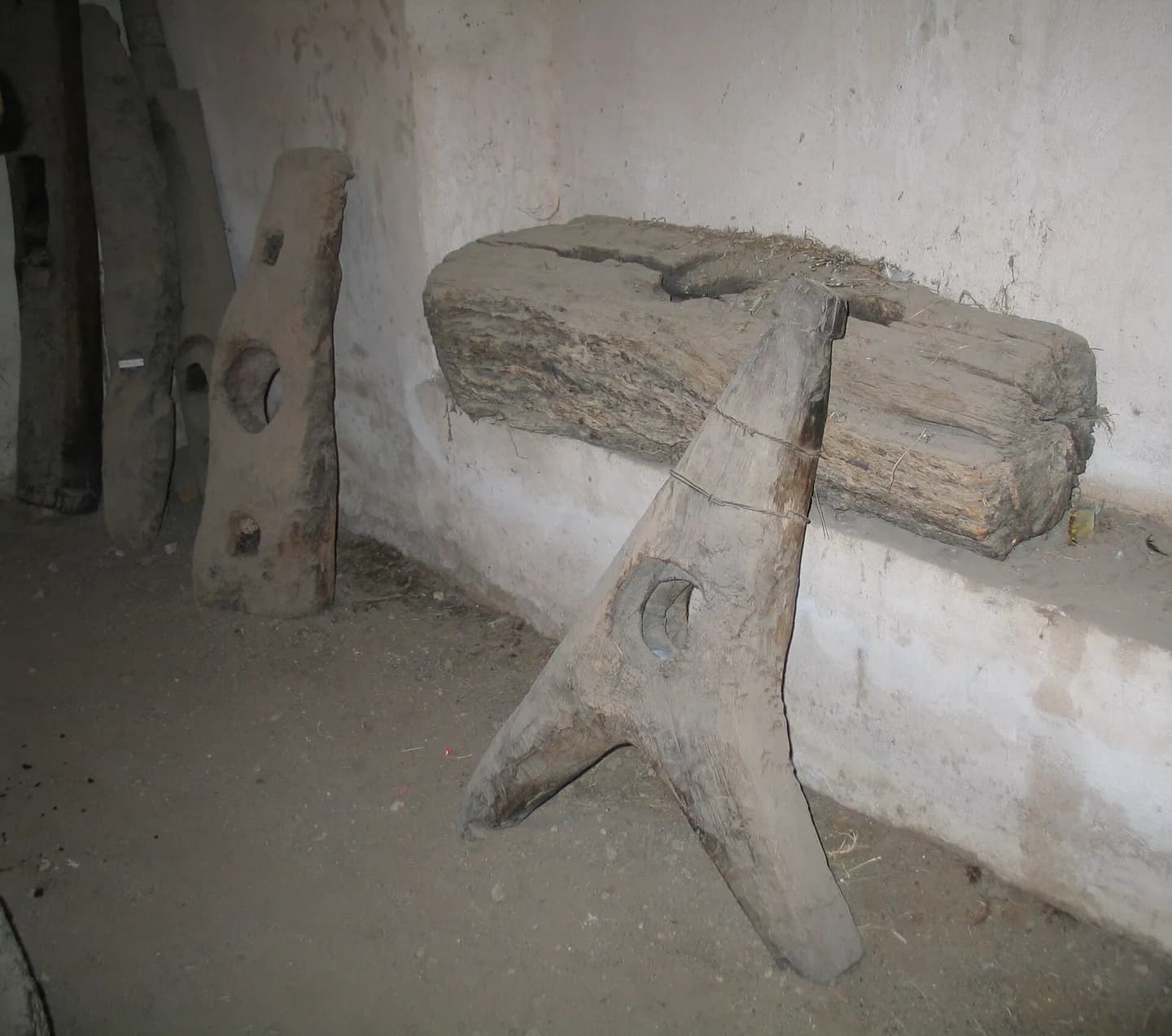
This museum is a separate option in the northern museum district, useful when archaeology, material culture or a specific exhibition interests you. Pair it geographically with a northern day rather than appending it to an already crowded Jaffa itinerary. Review the current exhibition programme and tickets before travelling; the exact collection you want to see may have its own visitor arrangements.
YOUR HOTEL BASE
Connect your stay with your visit
Match the hotel to the day you will repeat most often. The Jaffa suits a Jaffa-centred stay; The Norman is a central city option; Hilton belongs in a northern waterfront comparison; Royal Beach can connect a beach stay with southern-central neighbourhoods. Open the individual profiles for source dates and room details. These are editorial comparisons, not a league table.
LOCATION, THEN THE JOURNEY
Compare the route from your hotel
The map locates the named place. Confirm the actual entrance, steps, crossings and site instructions; an automated route does not guarantee entry or accessibility. The external map loads when you choose to show it.
Make the plan yours
For a first stay, pick two or three nearby stops each day and keep one flexible period. Check the museum or performance programme first; then fit the neighbourhood walk around it. Use our area comparison and three-day itinerary to turn this long list into a realistic route.
Plan your visit →