

BioStream announced on 18 November that the US Food and Drug Administration granted Breakthrough Device designation to its investigational urine test intended to aid the diagnosis of idiopathic normal pressure hydrocephalus, or iNPH. The designation is not FDA approval, clearance or permission to sell the test in the United States.
The Israeli company is developing a laboratory workflow that measures a panel of proteins in urine and applies a proprietary algorithm to the resulting proteomic data. BioStream says the output is designed to support the differential diagnosis of iNPH, a condition whose symptoms can overlap with other causes of cognitive decline and mobility problems.
What the designation changes
The FDA's Breakthrough Devices Program is intended for certain devices that may offer more effective diagnosis or treatment of life-threatening or irreversibly debilitating conditions. Accepted developers can receive more frequent interaction with the agency and prioritised review. The programme does not lower the evidentiary standard and does not guarantee future marketing authorisation.
BioStream therefore has a regulatory pathway with additional FDA interaction, not a commercial diagnostic product. The company says its test remains investigational and is not currently for sale in the United States.
From a urine sample to proteomic analysis
BioStream's published workflow begins with a non-invasive urine sample. The specimen is sent to a central laboratory, where proteomic analysis measures selected proteins. An algorithm then combines those measurements into a result intended for clinicians. This is different from a consumer home test and different from a scan that directly images the brain.
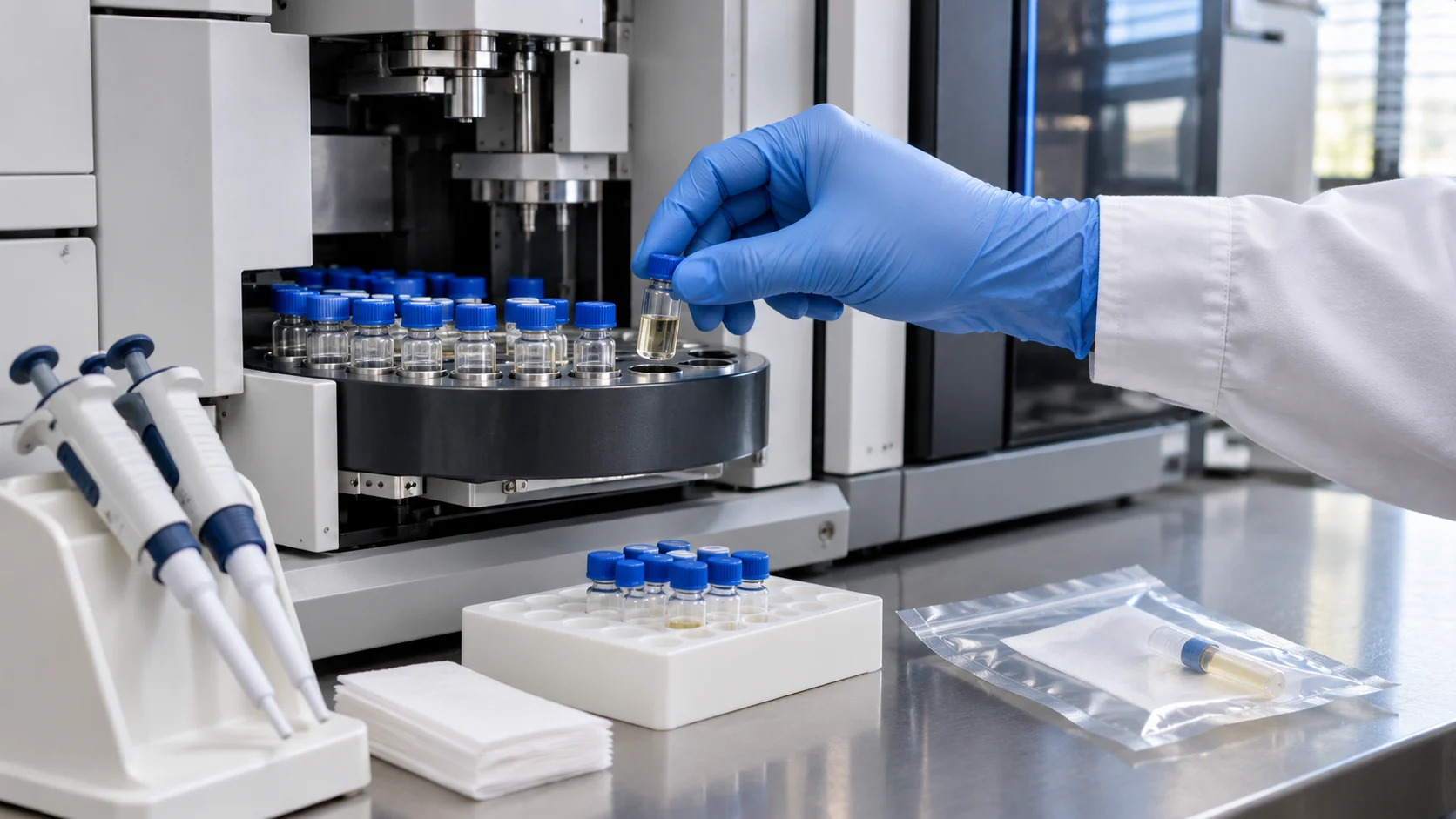
The company says its current multicentre study includes more than 100 hydrocephalus samples and 50 dementia controls. CTech reported more than 150 samples across three clinical sites. Those figures describe company-reported research cohorts, not a published diagnostic-accuracy result.
Why iNPH is a difficult diagnostic target
Idiopathic normal pressure hydrocephalus can involve gait problems, cognitive decline and urinary symptoms. The overlap with other neurological conditions makes differential diagnosis important. A less invasive biomarker could be useful if it reliably separates iNPH from relevant control groups and adds value to the existing clinical work-up.
BioStream plans prospective validation at US academic centres in 2027. The most important evidence will be the study design, pre-specified thresholds, sensitivity and specificity, the composition of control groups, handling of confounding conditions and whether performance is reproduced outside the development cohort. None of those results was included in the designation announcement.
What to watch next
The designation gives BioStream a structured opportunity to work with the FDA on development and review. It does not establish that the test is accurate, clinically useful or ready for routine care. The next meaningful milestones are prospective validation, peer-reviewed performance data and a separate FDA marketing decision.
Sources
- BioStream announcement, 18 November 2026
- BioStream product and workflow overview
- FDA Breakthrough Devices Program
- CTech report, 20 November 2026
Explore more applied technology and science coverage.